Both the Osaka Bay departure and the Helsinki archipelago arrival favor the left side, offering coastal, urban, and island scenery, while the right side mostly shows flatter inland terrain during both segments.
Flight Path
Route likely crosses the steppes and deserts of Central Asia (Kazakhstan, near the Aral Sea basin), skirts the northern Caspian Sea, and passes over Eastern Europe's Carpathian foothills before crossing the Baltic Sea into Finland.
Great circle distance and headings ›Phase by phase
Takeoff from ITM
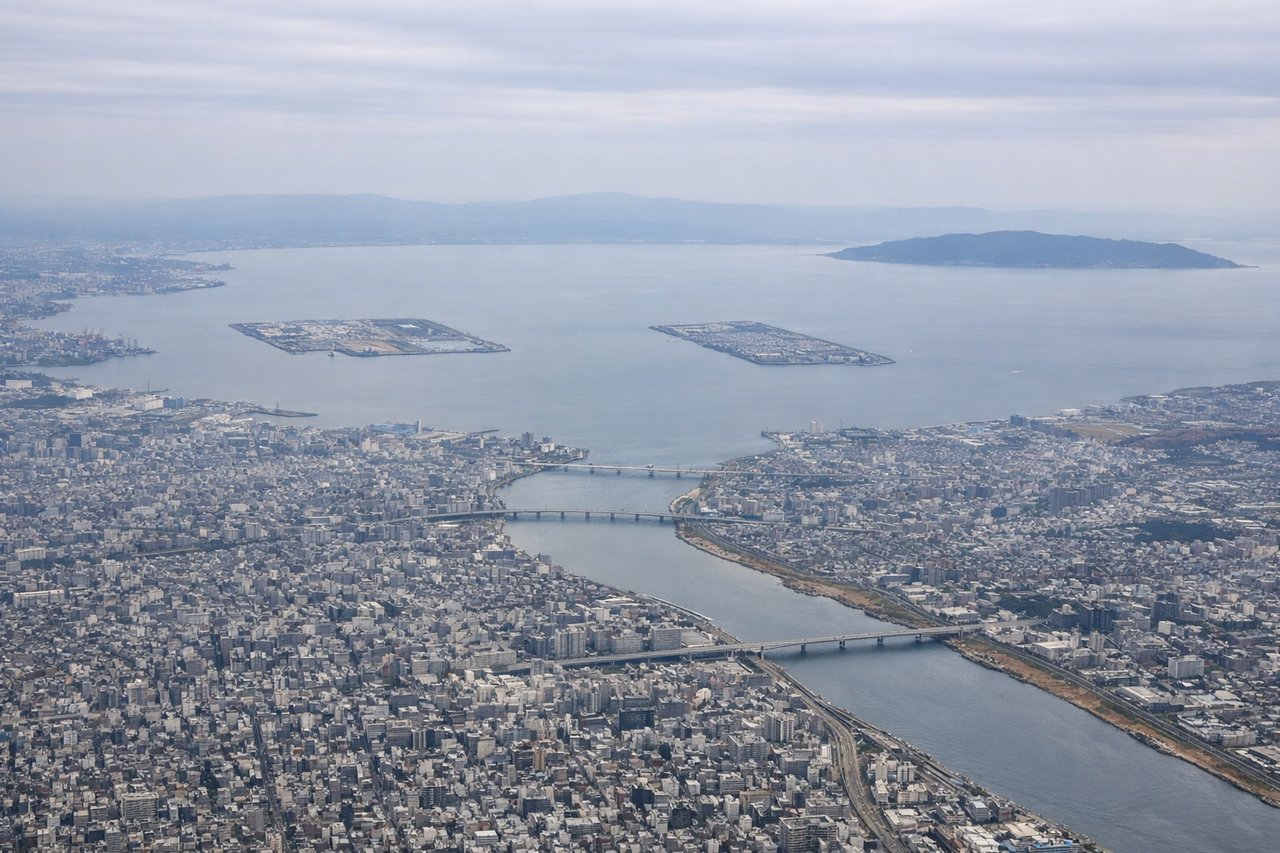
LEFTDeparting ITM toward the northwest, the initial turn swings the aircraft out over Osaka Bay, giving left-side passengers a sweeping view of Kobe's harbor, the Akashi Strait, and Awaji Island before the climb continues north toward the Sea of Japan. The right side mostly shows the flatter Kyoto basin and hazy inland hills.
Landing at HEL
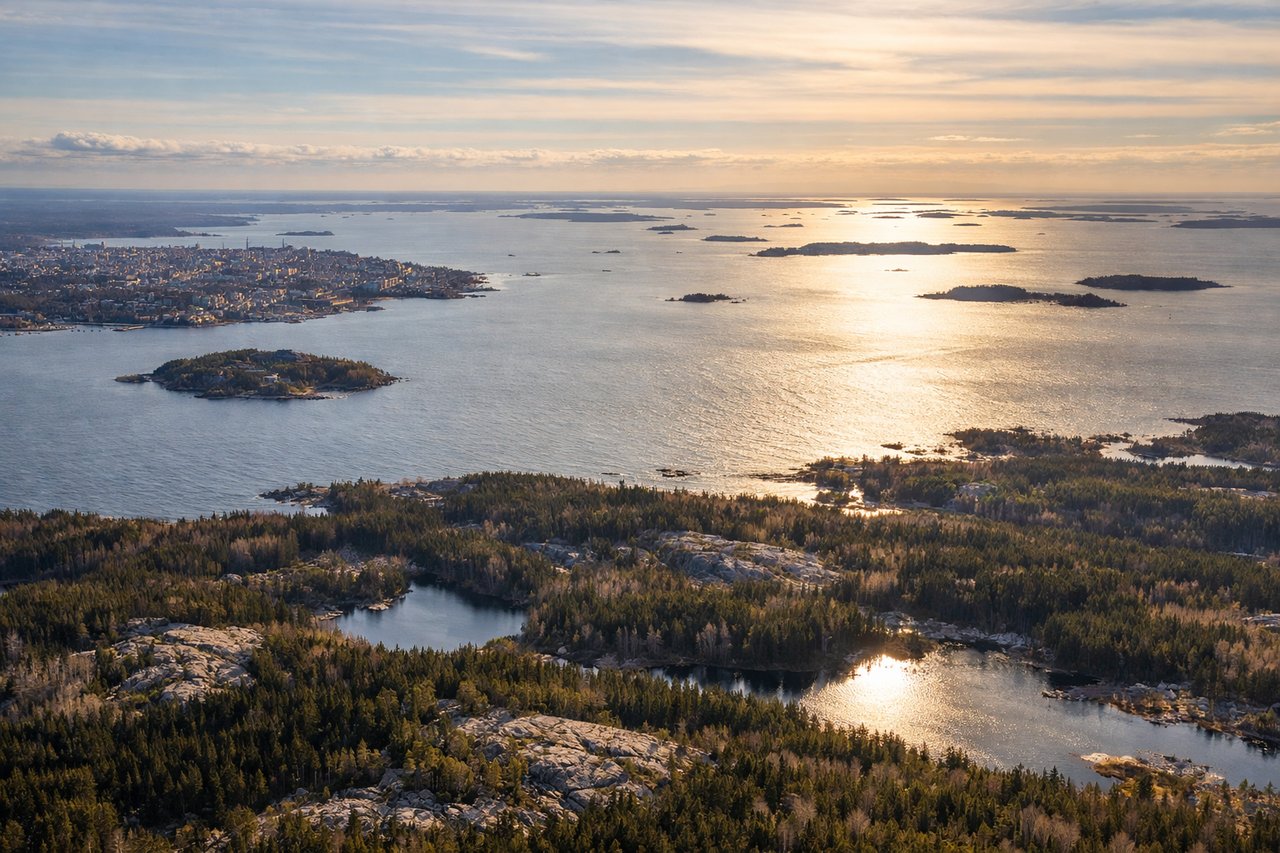
LEFTOn the typical southwest approach into Helsinki-Vantaa, the aircraft passes over the city and its archipelago before turning onto final, putting Helsinki's harbor, cathedral domes, and the scattered granite islands of the Gulf of Finland on the left side. The right side mostly overlooks the flatter forested interior with small lakes.
Landmarks on this routeAll landmarks →
Will your flight be in sunlight?
See exactly which side of the plane gets sun and shade at your departure time.
About This Route
Which side of the plane should I sit on flying from Osaka International (ITM) to Helsinki Vantaa (HEL)?
Sit on the Left side of the plane for the best views on flights from Osaka to Helsinki. Both the Osaka Bay departure and the Helsinki archipelago arrival favor the left side, offering coastal, urban, and island scenery, while the right side mostly shows flatter inland terrain during both segments.
What can I see during takeoff from Osaka International in Osaka?
During takeoff from Osaka International (ITM), sit on the Left side for the best views. Departing ITM toward the northwest, the initial turn swings the aircraft out over Osaka Bay, giving left-side passengers a sweeping view of Kobe's harbor, the Akashi Strait, and Awaji Island before the climb continues north toward the Sea of Japan. The right side mostly shows the flatter Kyoto basin and hazy inland hills. Notable sights include: Osaka Bay, Kobe waterfront, Akashi Strait Bridge, Awaji Island.
What can I see when landing at Helsinki Vantaa in Helsinki?
When landing at Helsinki Vantaa (HEL), sit on the Left side for the best views. On the typical southwest approach into Helsinki-Vantaa, the aircraft passes over the city and its archipelago before turning onto final, putting Helsinki's harbor, cathedral domes, and the scattered granite islands of the Gulf of Finland on the left side. The right side mostly overlooks the flatter forested interior with small lakes. Notable sights include: Helsinki city center, South Harbor, Gulf of Finland archipelago, Suomenlinna island fortress.
How long is the flight from Osaka to Helsinki?
The flight from Osaka International (ITM) to Helsinki Vantaa (HEL) takes 11h 45m.
What does the Osaka to Helsinki flight path pass over?
Route likely crosses the steppes and deserts of Central Asia (Kazakhstan, near the Aral Sea basin), skirts the northern Caspian Sea, and passes over Eastern Europe's Carpathian foothills before crossing the Baltic Sea into Finland.