Right side scores higher due to superior takeoff scenery (Osaka Bay and Kobe waterfront provide immediate visual drama and urban interest), while the left-side landing advantage is offset by the long cruise phase over featureless ocean and Central European plains. The right side's strong departure experience and consistent visibility of water features during early climb outweigh the left side's landing-phase advantage. Overall scenic variety and landmark density favor the right side across the full flight.
Flown ITM to MAD? Did we get it right?
Flight Path
Osaka to Madrid is 6,619 miles (10,653 km), a flight of about 11 hours 50 minutes.
Caspian Sea (northern route), Caucasus Mountains (if routed south of Caspian), Anatolian Plateau, Black Sea coastline, Balkans, Carpathian Mountains, Danube River valley, Hungarian Plain, Alps (southern approach to Madrid)
Great circle distance and headings ›Phase by phase
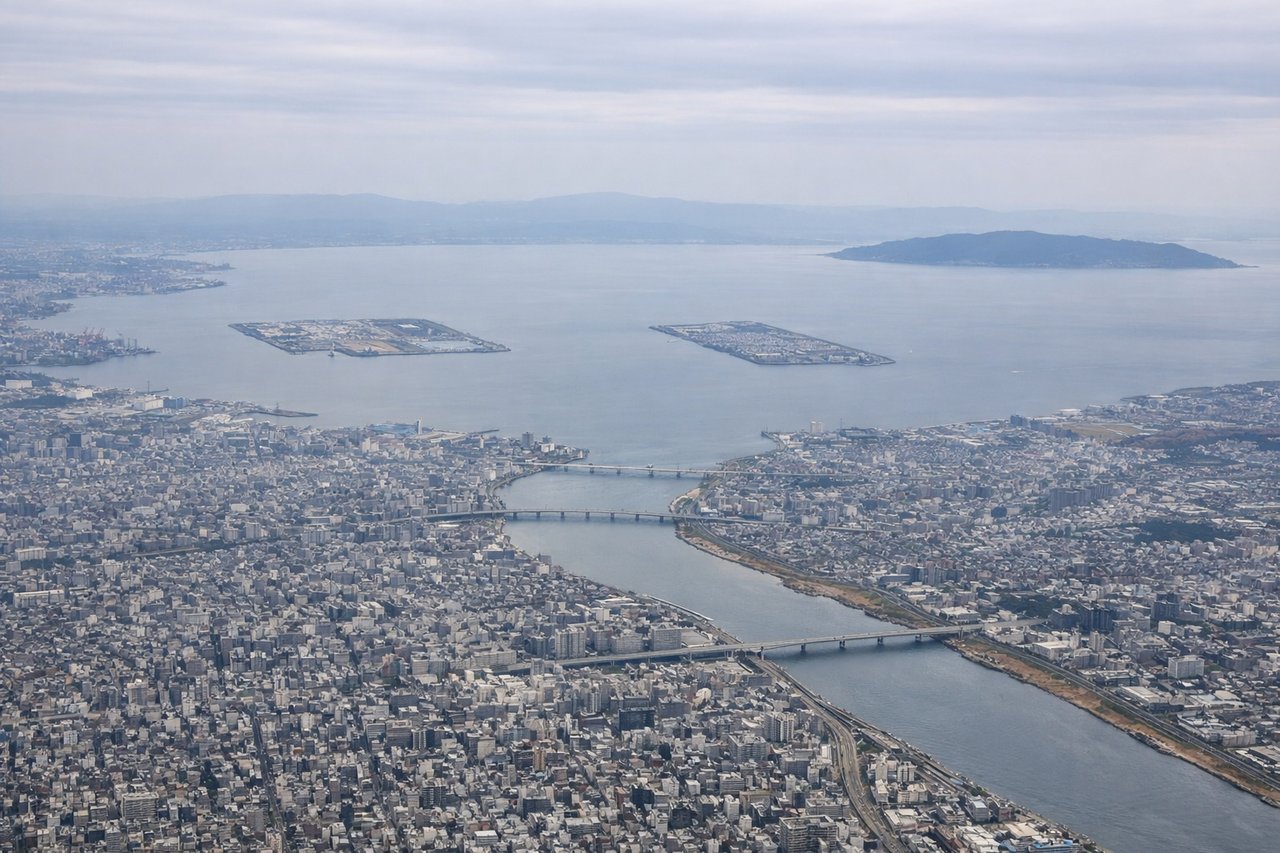
Takeoff from ITM
RIGHTRight side captures Osaka Bay and the Kobe-Osaka urban corridor during initial climb. The bay's distinctive shape, harbor infrastructure, and surrounding hills provide immediate visual interest. Left side faces inland toward flat Kansai plains with minimal landmarks during departure.
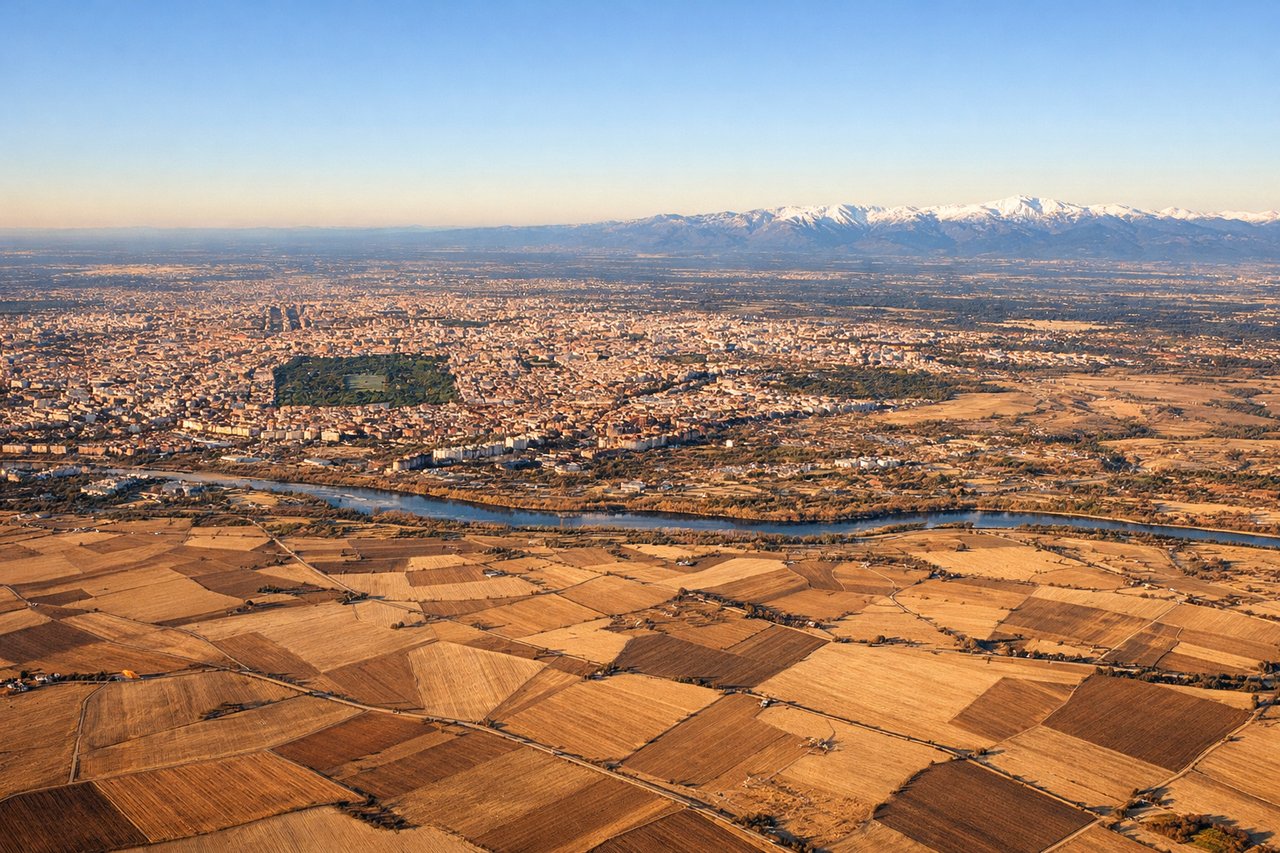
Landing at MAD
LEFTLeft side offers superior approach scenery into Madrid. The descent path from the northeast brings views of the Spanish meseta (high plateau), the Guadarrama Mountains as a dramatic backdrop, and the sprawling Madrid metropolitan area. Right side faces open plains with fewer distinctive features during the southern approach vector.
Will your flight be in sunlight?
Pick a date and time in the Sun Map to watch the sun move across your whole flight.
About This Route
Which side of the plane should I sit on flying from Osaka International (ITM) to Barajas (MAD)?
Sit on the Right side of the plane for the best views on flights from Osaka to Madrid. Right side scores higher due to superior takeoff scenery (Osaka Bay and Kobe waterfront provide immediate visual drama and urban interest), while the left-side landing advantage is offset by the long cruise phase over featureless ocean and Central European plains. The right side's strong departure experience and consistent visibility of water features during early climb outweigh the left side's landing-phase advantage. Overall scenic variety and landmark density favor the right side across the full flight.
What can I see during takeoff from Osaka International in Osaka?
During takeoff from Osaka International (ITM), sit on the Right side for the best views. Right side captures Osaka Bay and the Kobe-Osaka urban corridor during initial climb. The bay's distinctive shape, harbor infrastructure, and surrounding hills provide immediate visual interest. Left side faces inland toward flat Kansai plains with minimal landmarks during departure. Notable sights include: Osaka Bay, Kobe skyline (northwest), Akashi Strait, Awaji Island.
What can I see when landing at Barajas in Madrid?
When landing at Barajas (MAD), sit on the Left side for the best views. Left side offers superior approach scenery into Madrid. The descent path from the northeast brings views of the Spanish meseta (high plateau), the Guadarrama Mountains as a dramatic backdrop, and the sprawling Madrid metropolitan area. Right side faces open plains with fewer distinctive features during the southern approach vector. Notable sights include: Guadarrama Mountains, Madrid city sprawl, Tagus River valley, Sierra de Guadarrama foothills.
How long is the flight from Osaka to Madrid?
The flight from Osaka International (ITM) to Barajas (MAD) takes about 11 hours 50 minutes. The shortest flight path between them is 6,619 miles (10,653 km); winds and air traffic control usually add a few percent.
What does the Osaka to Madrid flight path pass over?
Caspian Sea (northern route), Caucasus Mountains (if routed south of Caspian), Anatolian Plateau, Black Sea coastline, Balkans, Carpathian Mountains, Danube River valley, Hungarian Plain, Alps (southern approach to Madrid)