While takeoff offers volcanic landscape interest on the right, the landing approach on the left provides more dramatic urban and coastal scenery over Reykjavik itself, making it the more rewarding overall experience for this short route.
Flight Path
The flight path crosses Faxaflói Bay from south to north. Notable features include the bay's open water (typically 15-20 miles wide), the transition from the Reykjanes Peninsula's volcanic terrain to the lowlands around Reykjavik, and Mount Esja's profile visible to the north throughout much of the flight. The route is short enough that climb and descent dominate the flight experience.
Great circle distance and headings ›Phase by phase
Takeoff from KEF
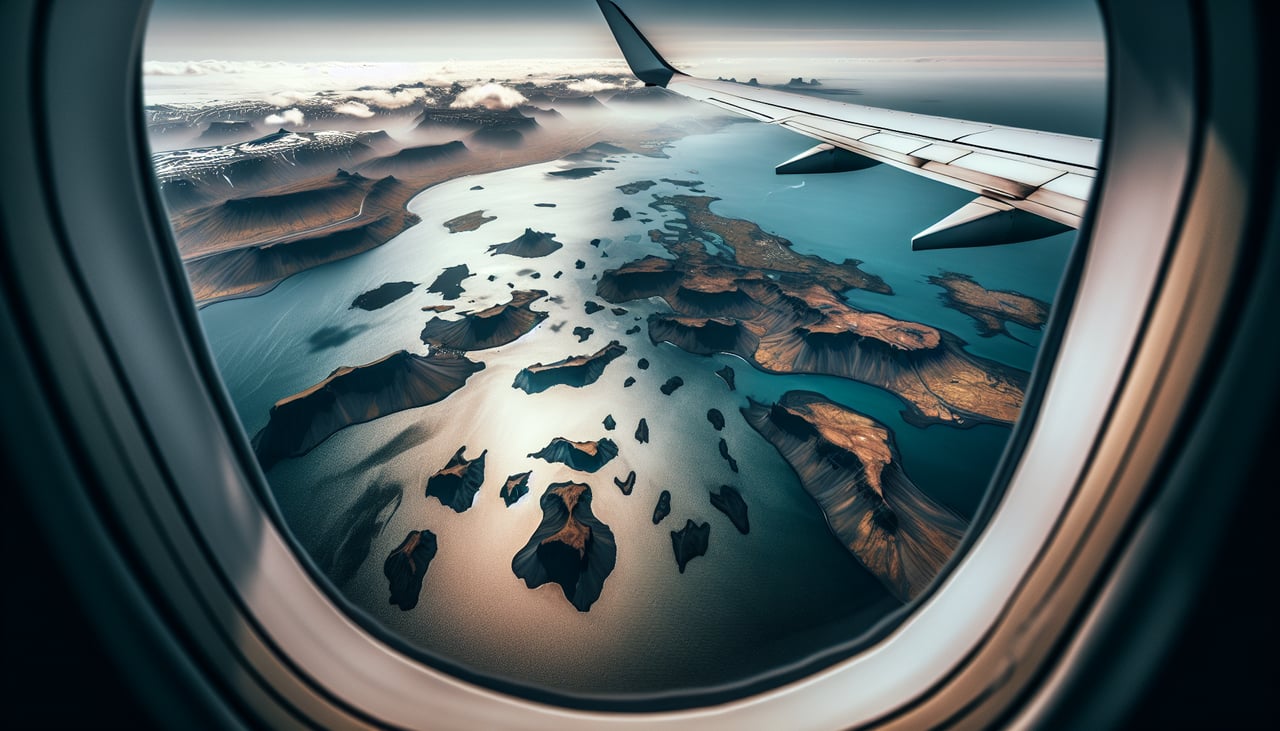
RIGHTKEF typically departs runway 02 (northbound) or 20 (southbound). Right-side seats offer views of the Reykjanes Peninsula's volcanic terrain and the Atlantic coastline as you climb. The peninsula's dark lava fields and coastal cliffs are distinctive from altitude.
Landing at RKV
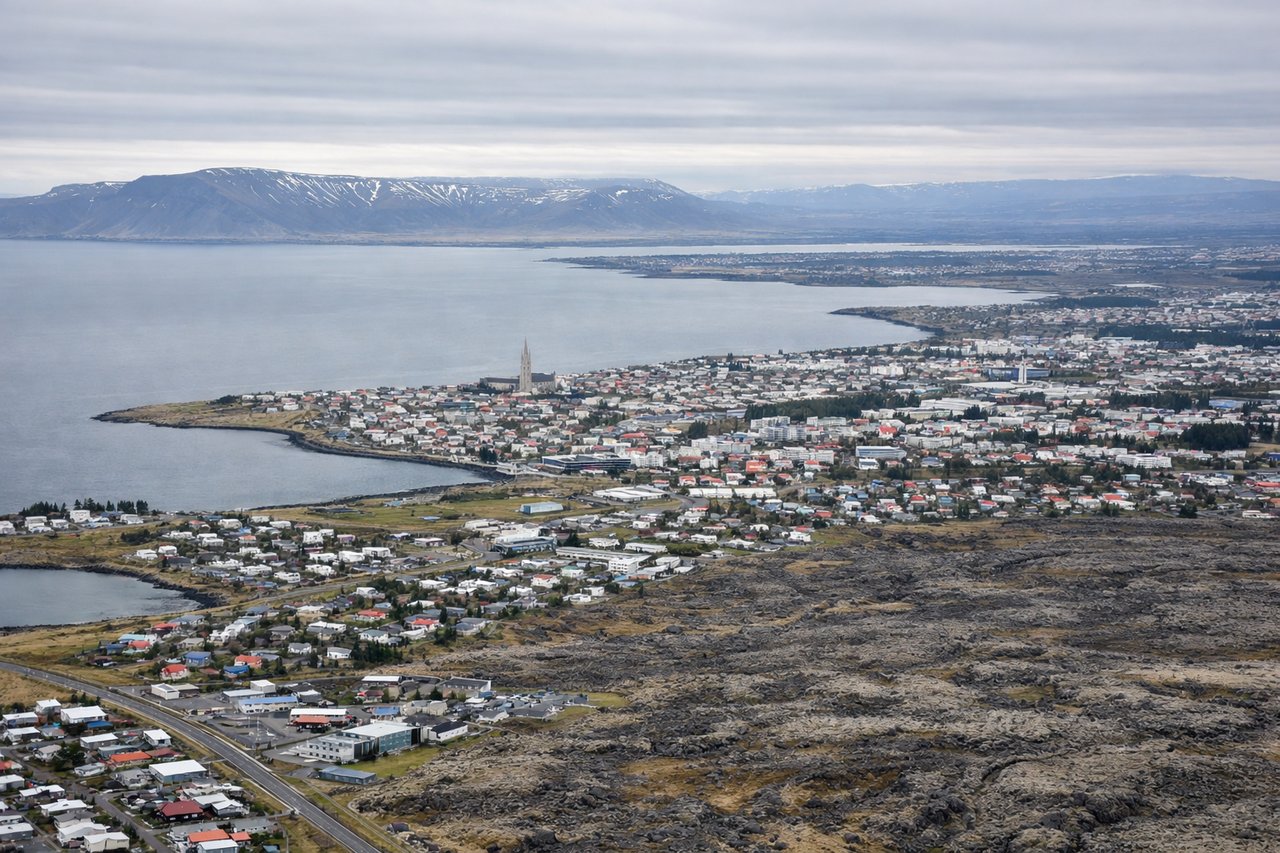
LEFTApproaching RKV (Reykjavik Airport) typically uses runway 01 or 19. Left-side seats during descent offer views of Reykjavik city, Faxaflói Bay, and the approach path over the capital's districts. You'll see the city's characteristic colorful roofed buildings and harbor infrastructure.
Will your flight be in sunlight?
See exactly which side of the plane gets sun and shade at your departure time.
About This Route
Which side of the plane should I sit on flying from Keflavik Nas (KEF) to Reykjavik (RKV)?
Sit on the Left side of the plane for the best views on flights from Keflavik to Reykjavik. While takeoff offers volcanic landscape interest on the right, the landing approach on the left provides more dramatic urban and coastal scenery over Reykjavik itself, making it the more rewarding overall experience for this short route.
What can I see during takeoff from Keflavik Nas in Keflavik?
During takeoff from Keflavik Nas (KEF), sit on the Right side for the best views. KEF typically departs runway 02 (northbound) or 20 (southbound). Right-side seats offer views of the Reykjanes Peninsula's volcanic terrain and the Atlantic coastline as you climb. The peninsula's dark lava fields and coastal cliffs are distinctive from altitude. Notable sights include: Reykjanes Peninsula lava fields, Atlantic Ocean to the west, Fagradalsfjall volcanic region, Grindavík town area.
What can I see when landing at Reykjavik in Reykjavik?
When landing at Reykjavik (RKV), sit on the Left side for the best views. Approaching RKV (Reykjavik Airport) typically uses runway 01 or 19. Left-side seats during descent offer views of Reykjavik city, Faxaflói Bay, and the approach path over the capital's districts. You'll see the city's characteristic colorful roofed buildings and harbor infrastructure. Notable sights include: Reykjavik city center and harbor, Faxaflói Bay, Mount Esja to the north, Old Harbor (Höfn) waterfront.
How long is the flight from Keflavik to Reykjavik?
The flight from Keflavik Nas (KEF) to Reykjavik (RKV) takes Approximately 50 minutes.
What does the Keflavik to Reykjavik flight path pass over?
The flight path crosses Faxaflói Bay from south to north. Notable features include the bay's open water (typically 15-20 miles wide), the transition from the Reykjanes Peninsula's volcanic terrain to the lowlands around Reykjavik, and Mount Esja's profile visible to the north throughout much of the flight. The route is short enough that climb and descent dominate the flight experience.