Male to Adelaide is 4,997 miles (8,043 km), a flight of about 9 hours 50 minutes.
The outbound leg from Male offers more dramatic and distinctive scenery—the Maldivian atolls and Indian Ocean are visually striking. While Adelaide's approach is pleasant, the takeoff views are more memorable and geographically unique.
Flight Path
The flight path crosses the Indian Ocean for most of the journey. Notable features include: the Chagos Archipelago (visible around 3-4 hours into flight if on southern routing), the vast open Indian Ocean with occasional cloud formations, and the gradual transition from tropical to subtropical waters. Some flights may pass near the Cocos (Keeling) Islands depending on exact routing. The western Australian coast becomes visible in the final 1.5-2 hours, with the Great Australian Bight and South Australian coastline appearing before descent into Adelaide.
Great circle distance and headings ›Phase by phase
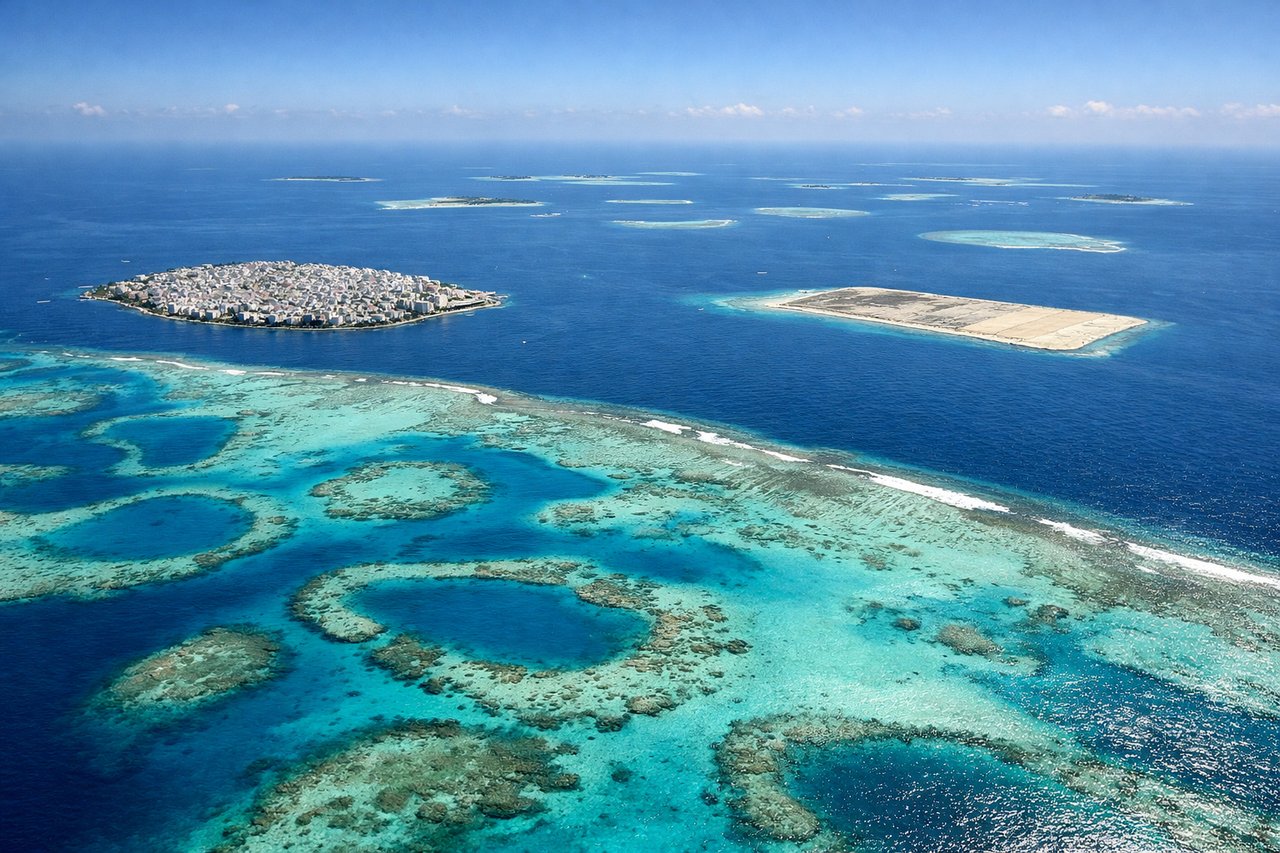
Takeoff from MLE
RIGHTRight side offers views of the Male atoll archipelago and the Indian Ocean immediately after departure. The aircraft climbs southwestward, so right-side passengers see the scattered islands and shallow lagoons of the Maldivian atolls receding beneath the wing.
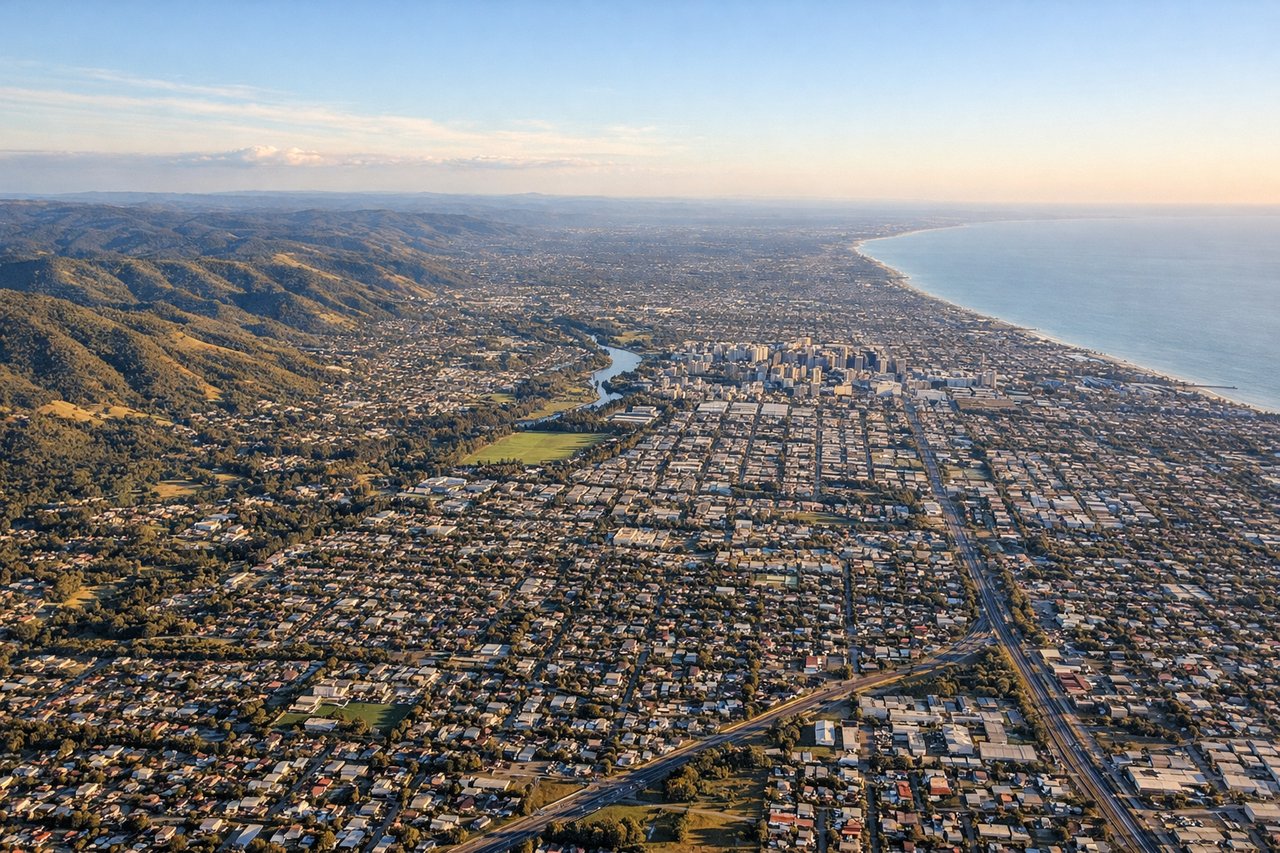
Landing at ADL
LEFTLeft side provides views of South Australia's coastline and Adelaide's approach corridor. The aircraft descends from the northwest, so left-side passengers see the Gulf St. Vincent, the Adelaide Hills, and the city sprawl approaching.
Landmarks on this routeAll landmarks →
Will your flight be in sunlight?
Pick a date and time in the Sun Map to watch the sun move across your whole flight.
About This Route
Which side of the plane should I sit on flying from Male International (MLE) to Adelaide International (ADL)?
Sit on the Right side of the plane for the best views on flights from Male to Adelaide. The outbound leg from Male offers more dramatic and distinctive scenery—the Maldivian atolls and Indian Ocean are visually striking. While Adelaide's approach is pleasant, the takeoff views are more memorable and geographically unique.
What can I see during takeoff from Male International in Male?
During takeoff from Male International (MLE), sit on the Right side for the best views. Right side offers views of the Male atoll archipelago and the Indian Ocean immediately after departure. The aircraft climbs southwestward, so right-side passengers see the scattered islands and shallow lagoons of the Maldivian atolls receding beneath the wing. Notable sights include: Male atoll (densely developed central island), surrounding coral atolls with turquoise lagoons, Indian Ocean horizon, scattered island chains extending south.
What can I see when landing at Adelaide International in Adelaide?
When landing at Adelaide International (ADL), sit on the Left side for the best views. Left side provides views of South Australia's coastline and Adelaide's approach corridor. The aircraft descends from the northwest, so left-side passengers see the Gulf St. Vincent, the Adelaide Hills, and the city sprawl approaching. Notable sights include: Gulf St. Vincent (body of water), Adelaide Hills (low mountain range inland), Adelaide city grid and suburbs, Barossa Valley region to the northeast.
How long is the flight from Male to Adelaide?
The flight from Male International (MLE) to Adelaide International (ADL) takes about 9 hours 50 minutes. The shortest flight path between them is 4,997 miles (8,043 km); winds and air traffic control usually add a few percent.
What does the Male to Adelaide flight path pass over?
The flight path crosses the Indian Ocean for most of the journey. Notable features include: the Chagos Archipelago (visible around 3-4 hours into flight if on southern routing), the vast open Indian Ocean with occasional cloud formations, and the gradual transition from tropical to subtropical waters. Some flights may pass near the Cocos (Keeling) Islands depending on exact routing. The western Australian coast becomes visible in the final 1.5-2 hours, with the Great Australian Bight and South Australian coastline appearing before descent into Adelaide.