While takeoff from Tokyo offers urban and bay scenery, the landing approach into Christchurch provides more dramatic and varied natural features—the Canterbury Plains, Banks Peninsula's distinctive geology, and the Southern Alps create a visually compelling descent that outweighs the Tokyo departure views.
Flight Path
The flight crosses the Pacific Ocean for approximately 5,500 nautical miles. Notable geographic features along the route include: the Izu Islands and Ogasawara Islands (visible during initial departure if flying south of direct routing), the vast open Pacific with occasional weather systems, and approaching New Zealand, the Chatham Islands (if visible during descent phase). The majority of the flight is over open ocean with no visible landmarks. The most dramatic scenery occurs during the final 90 minutes as you approach New Zealand's South Island, with the Southern Alps and Canterbury region becoming visible.
Great circle distance and headings ›
.JPG?width=600)
Phase by phase
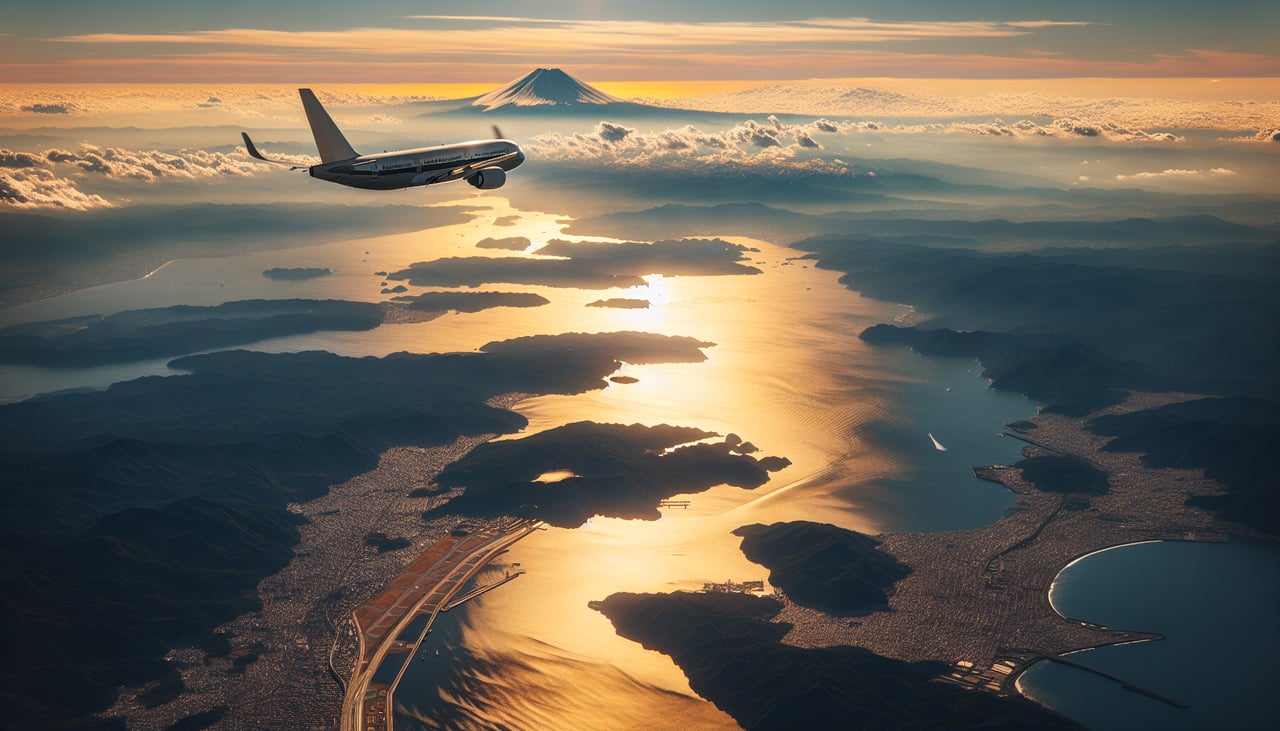
Takeoff from NRT
RIGHTRight side offers views of Tokyo Bay and the Kanto Plain as you climb out. You'll see the bay's distinctive shape and urban sprawl of greater Tokyo receding beneath you, with Mount Fuji potentially visible to the west on clear days.
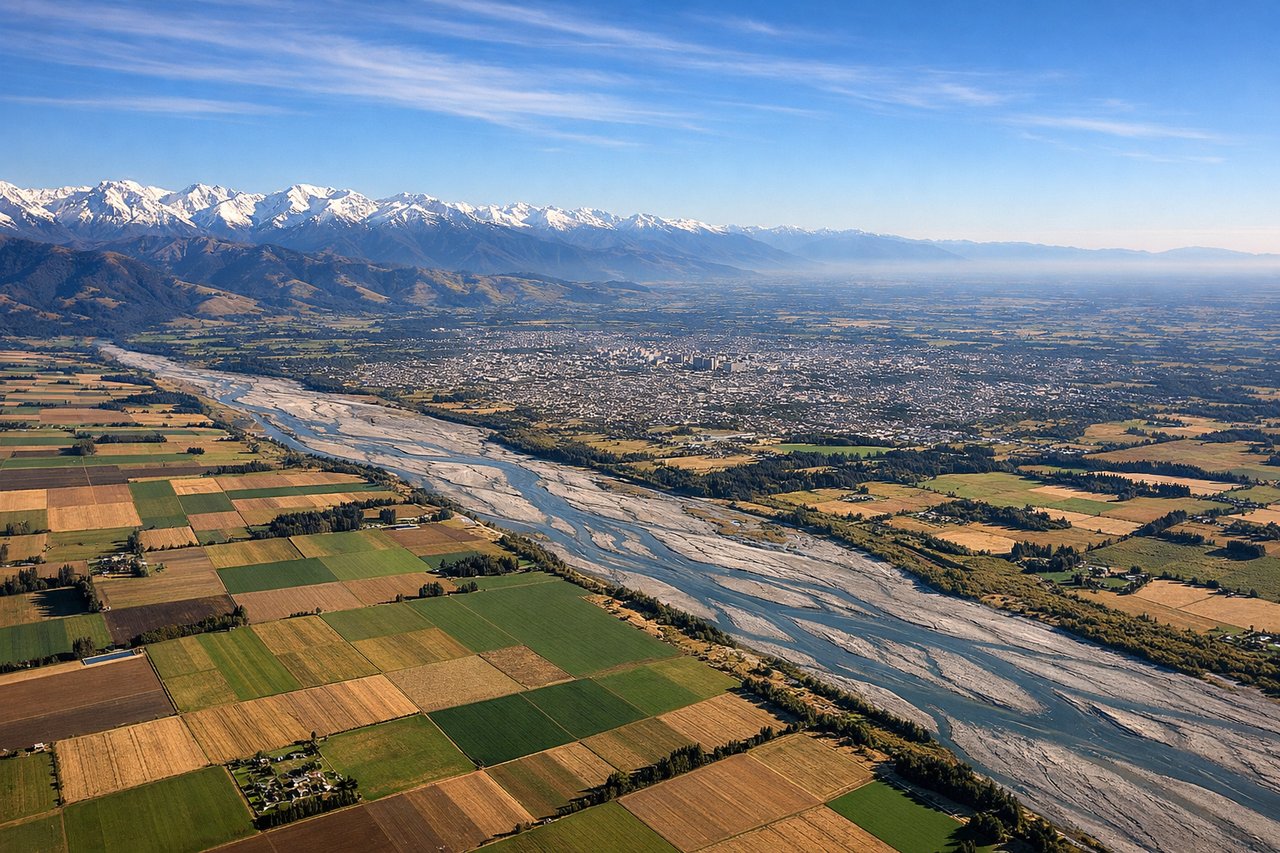
Landing at CHC
LEFTLeft side provides excellent views during descent into Christchurch. You'll see the Canterbury Plains' flat agricultural landscape, the Southern Alps' eastern escarpment, and the city itself nestled against the foothills—a dramatic transition from ocean to mountains to urban settlement.
Landmarks on this routeAll landmarks →
Will your flight be in sunlight?
See exactly which side of the plane gets sun and shade at your departure time.
About This Route
Which side of the plane should I sit on flying from New Tokyo International (NRT) to Christchurch International (CHC)?
Sit on the Left side of the plane for the best views on flights from Tokyo to Christchurch. While takeoff from Tokyo offers urban and bay scenery, the landing approach into Christchurch provides more dramatic and varied natural features—the Canterbury Plains, Banks Peninsula's distinctive geology, and the Southern Alps create a visually compelling descent that outweighs the Tokyo departure views.
What can I see during takeoff from New Tokyo International in Tokyo?
During takeoff from New Tokyo International (NRT), sit on the Right side for the best views. Right side offers views of Tokyo Bay and the Kanto Plain as you climb out. You'll see the bay's distinctive shape and urban sprawl of greater Tokyo receding beneath you, with Mount Fuji potentially visible to the west on clear days. Notable sights include: Tokyo Bay, Kanto Plain urban grid, Mount Fuji (western horizon on clear days), Boso Peninsula.
What can I see when landing at Christchurch International in Christchurch?
When landing at Christchurch International (CHC), sit on the Left side for the best views. Left side provides excellent views during descent into Christchurch. You'll see the Canterbury Plains' flat agricultural landscape, the Southern Alps' eastern escarpment, and the city itself nestled against the foothills—a dramatic transition from ocean to mountains to urban settlement. Notable sights include: Canterbury Plains, Southern Alps (eastern face), Banks Peninsula, Christchurch city and surrounding suburbs.
How long is the flight from Tokyo to Christchurch?
The flight from New Tokyo International (NRT) to Christchurch International (CHC) takes 11h 15m.
What does the Tokyo to Christchurch flight path pass over?
The flight crosses the Pacific Ocean for approximately 5,500 nautical miles. Notable geographic features along the route include: the Izu Islands and Ogasawara Islands (visible during initial departure if flying south of direct routing), the vast open Pacific with occasional weather systems, and approaching New Zealand, the Chatham Islands (if visible during descent phase). The majority of the flight is over open ocean with no visible landmarks. The most dramatic scenery occurs during the final 90 minutes as you approach New Zealand's South Island, with the Southern Alps and Canterbury region becoming visible.