The left side delivers the most dramatic single moment of the flight — the Tokyo Bay and Mount Fuji view on departure — and also tracks closer to the Philippine archipelago and Lombok Strait during cruise, offering occasional island and coastal views over the South China Sea approaches. The right side on landing is strong but briefer.
Flown NRT to DPS? Did we get it right?
Flight Path
Tokyo to Denpasar is 3,487 miles (5,611 km), a flight of about 7 hours 15 minutes.
The flight path typically tracks southwest over the East China Sea, passing east of Taiwan and the Luzon Strait, then south over the South China Sea or along the Philippine Sea edge, crossing the Philippines or passing west of Mindanao, then over the Celebes Sea and the island of Sulawesi before descending toward Bali. The Java Sea and the volcanic spine of Java are visible in the final hour of flight.
Great circle distance and headings ›


Phase by phase
Takeoff from NRT
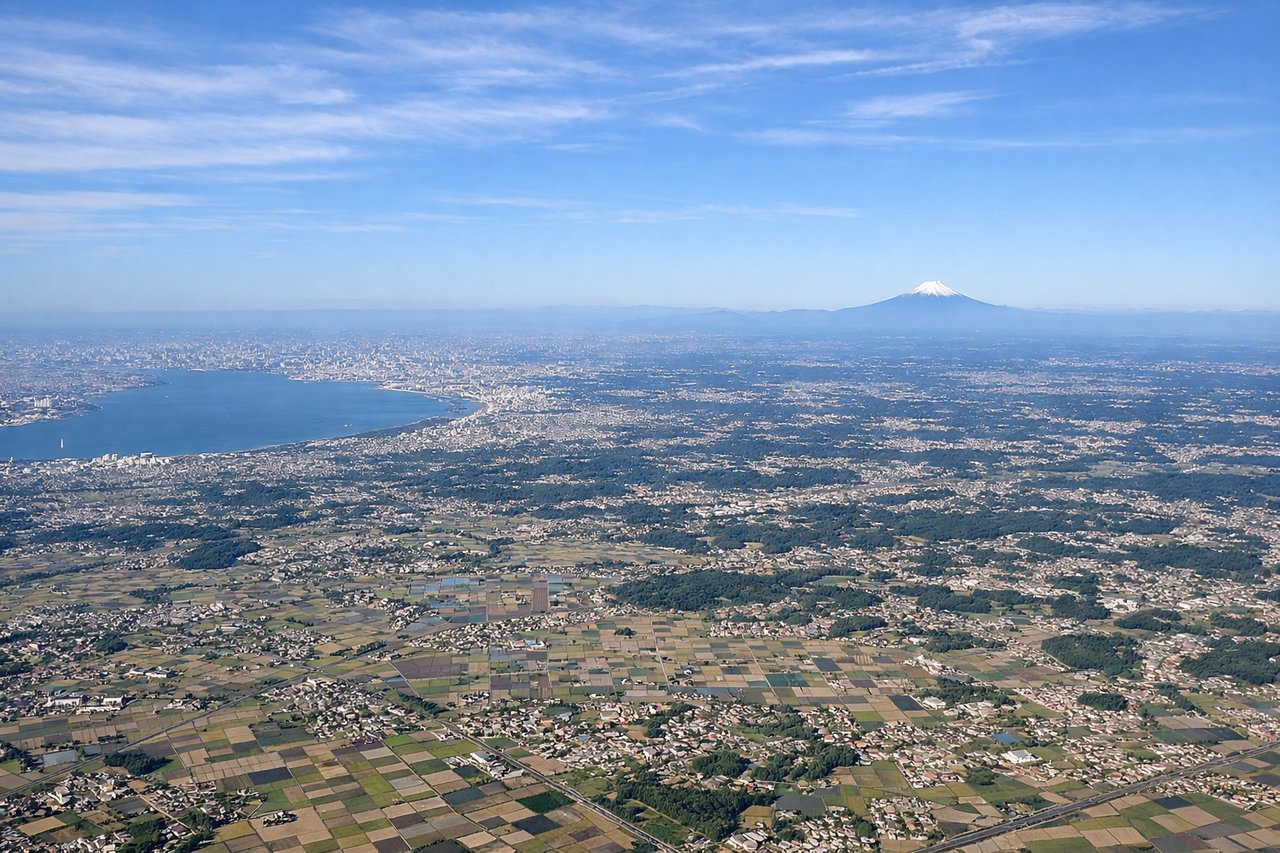
LEFTNRT typically departs on runway 16R/34L or 16L/34R. Southbound departures on runway 16 head toward Tokyo Bay, and the left side gives you a clear view of the bay, the Tokyo metropolitan sprawl, and on clear days Mount Fuji to the southwest. The right side faces the Pacific Ocean with little of interest.
Landing at DPS
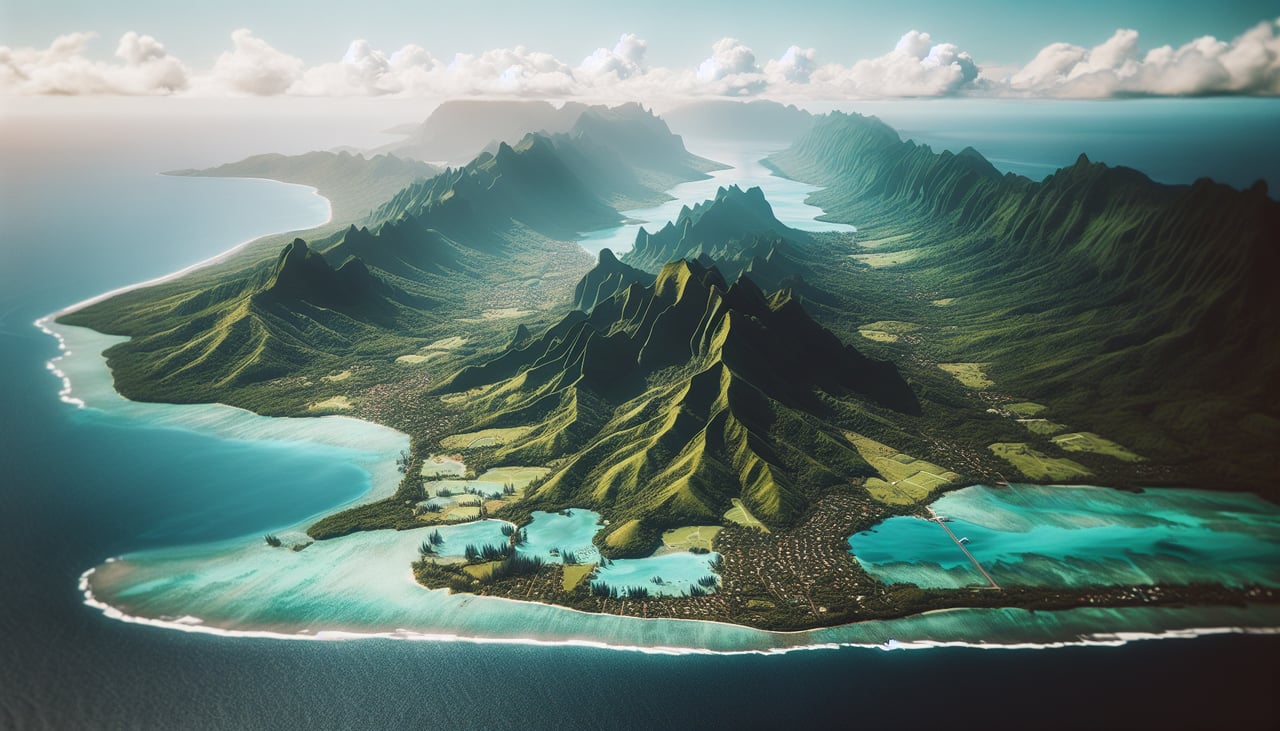
RIGHTNgurah Rai Airport in Denpasar typically uses runway 09 for arrivals from the east, approaching over the Bali Strait and the southern coast. The right side on approach gives views of the Bukit Peninsula, Jimbaran Bay, and the southern Bali coastline. The left side faces open ocean.
Will your flight be in sunlight?
Pick a date and time in the Sun Map to watch the sun move across your whole flight.
About This Route
Which side of the plane should I sit on flying from New Tokyo International (NRT) to Denpasar I Gusti Ngurah Rai International Airport (DPS)?
Sit on the Left side of the plane for the best views on flights from Tokyo to Denpasar. The left side delivers the most dramatic single moment of the flight — the Tokyo Bay and Mount Fuji view on departure — and also tracks closer to the Philippine archipelago and Lombok Strait during cruise, offering occasional island and coastal views over the South China Sea approaches. The right side on landing is strong but briefer.
What can I see during takeoff from New Tokyo International in Tokyo?
During takeoff from New Tokyo International (NRT), sit on the Left side for the best views. NRT typically departs on runway 16R/34L or 16L/34R. Southbound departures on runway 16 head toward Tokyo Bay, and the left side gives you a clear view of the bay, the Tokyo metropolitan sprawl, and on clear days Mount Fuji to the southwest. The right side faces the Pacific Ocean with little of interest. Notable sights include: Tokyo Bay, Mount Fuji (distant, southwest), Chiba urban grid, Tokyo metropolitan area.
What can I see when landing at Denpasar I Gusti Ngurah Rai International Airport in Denpasar?
When landing at Denpasar I Gusti Ngurah Rai International Airport (DPS), sit on the Right side for the best views. Ngurah Rai Airport in Denpasar typically uses runway 09 for arrivals from the east, approaching over the Bali Strait and the southern coast. The right side on approach gives views of the Bukit Peninsula, Jimbaran Bay, and the southern Bali coastline. The left side faces open ocean. Notable sights include: Bukit Peninsula, Jimbaran Bay, Kuta Beach coastline, southern Bali rice terraces and urban Denpasar.
How long is the flight from Tokyo to Denpasar?
The flight from New Tokyo International (NRT) to Denpasar I Gusti Ngurah Rai International Airport (DPS) takes about 7 hours 15 minutes. The shortest flight path between them is 3,487 miles (5,611 km); winds and air traffic control usually add a few percent.
What does the Tokyo to Denpasar flight path pass over?
The flight path typically tracks southwest over the East China Sea, passing east of Taiwan and the Luzon Strait, then south over the South China Sea or along the Philippine Sea edge, crossing the Philippines or passing west of Mindanao, then over the Celebes Sea and the island of Sulawesi before descending toward Bali. The Java Sea and the volcanic spine of Java are visible in the final hour of flight.