The left side wins on both ends of the flight — Mt. Fuji and Tokyo Bay at departure, Frankfurt's skyline and the Taunus hills on arrival — and during the long cruise over Central Asia, the route's mountain ranges and the Caspian Sea generally lie to the south, keeping them on the left side of the aircraft.
Flown NRT to FRA? Did we get it right?
Flight Path
Tokyo to Frankfurt is 5,821 miles (9,367 km), a flight of about 13 hours 35 minutes.
Mongolian steppe and the Gobi Desert, the Tian Shan and Altai mountain ranges, the Kazakh Steppe, the Caspian Sea, and the Caucasus Mountains before crossing into Eastern Europe over the Carpathians.
Great circle distance and headings ›

Phase by phase
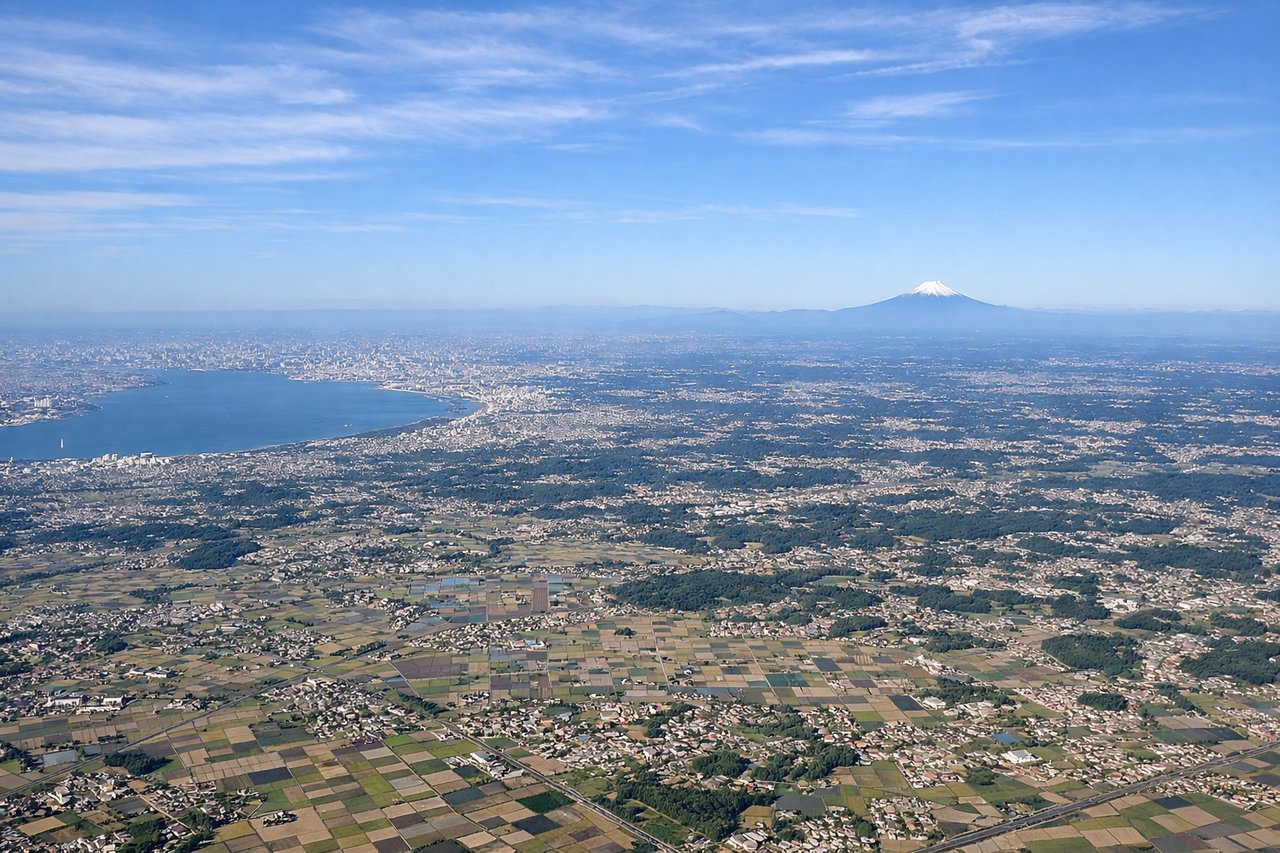
Takeoff from NRT
LEFTDepartures from Narita heading toward Europe typically climb out and turn west, passing south of Tokyo. This puts Tokyo Bay, the city skyline, and on clear days the snow-capped cone of Mt. Fuji on the left side of the aircraft as it climbs over the Boso Peninsula and Sagami Bay area.
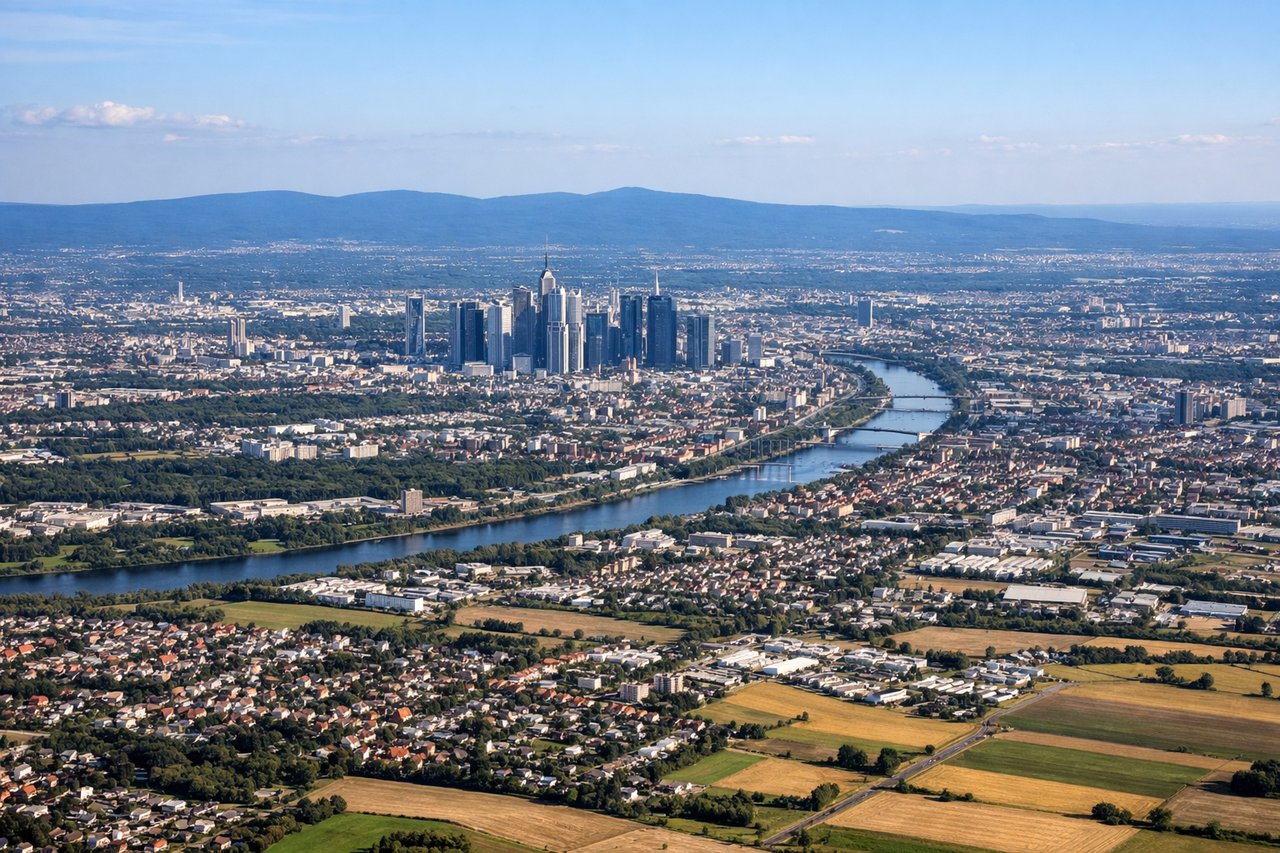
Landing at FRA
LEFTOn approach to Frankfurt's westerly runways, arriving flights from the east typically swing south of the city before turning onto final, briefly revealing the Frankfurt skyline and the Main River on the left side of the aircraft, with the Taunus hills faint on the horizon.
Will your flight be in sunlight?
Pick a date and time in the Sun Map to watch the sun move across your whole flight.
About This Route
Which side of the plane should I sit on flying from New Tokyo International (NRT) to Frankfurt Main (FRA)?
Sit on the Left side of the plane for the best views on flights from Tokyo to Frankfurt. The left side wins on both ends of the flight — Mt. Fuji and Tokyo Bay at departure, Frankfurt's skyline and the Taunus hills on arrival — and during the long cruise over Central Asia, the route's mountain ranges and the Caspian Sea generally lie to the south, keeping them on the left side of the aircraft.
What can I see during takeoff from New Tokyo International in Tokyo?
During takeoff from New Tokyo International (NRT), sit on the Left side for the best views. Departures from Narita heading toward Europe typically climb out and turn west, passing south of Tokyo. This puts Tokyo Bay, the city skyline, and on clear days the snow-capped cone of Mt. Fuji on the left side of the aircraft as it climbs over the Boso Peninsula and Sagami Bay area. Notable sights include: Tokyo Bay and Tokyo skyline, Mt. Fuji (distant), Boso Peninsula coastline, Sagami Bay.
What can I see when landing at Frankfurt Main in Frankfurt?
When landing at Frankfurt Main (FRA), sit on the Left side for the best views. On approach to Frankfurt's westerly runways, arriving flights from the east typically swing south of the city before turning onto final, briefly revealing the Frankfurt skyline and the Main River on the left side of the aircraft, with the Taunus hills faint on the horizon. Notable sights include: Frankfurt skyline (Commerzbank Tower, Main Tower), Main River, Taunus hills, Rhine-Main lowlands.
How long is the flight from Tokyo to Frankfurt?
The flight from New Tokyo International (NRT) to Frankfurt Main (FRA) takes about 13 hours 35 minutes. The shortest flight path between them is 5,821 miles (9,367 km); winds and air traffic control usually add a few percent.
What does the Tokyo to Frankfurt flight path pass over?
Mongolian steppe and the Gobi Desert, the Tian Shan and Altai mountain ranges, the Kazakh Steppe, the Caspian Sea, and the Caucasus Mountains before crossing into Eastern Europe over the Carpathians.