The right side combines a scenic Japanese departure past Mount Fuji and the Izu coastline, a cruise phase tracking near the Ryukyu Islands, and a dramatic mountainous, skyline-filled arrival into Hong Kong, while the left side spends most of the flight over open ocean with little to see.
Flown NRT to HKG? Did we get it right?
Flight Path
Tokyo to Hong Kong is 1,841 miles (2,962 km), a flight of about 5 hours 5 minutes.
East China Sea, the Ryukyu Island chain including Okinawa and Amami Oshima, and occasionally the northern tip of Taiwan visible in the distance depending on routing
Great circle distance and headings ›


Phase by phase
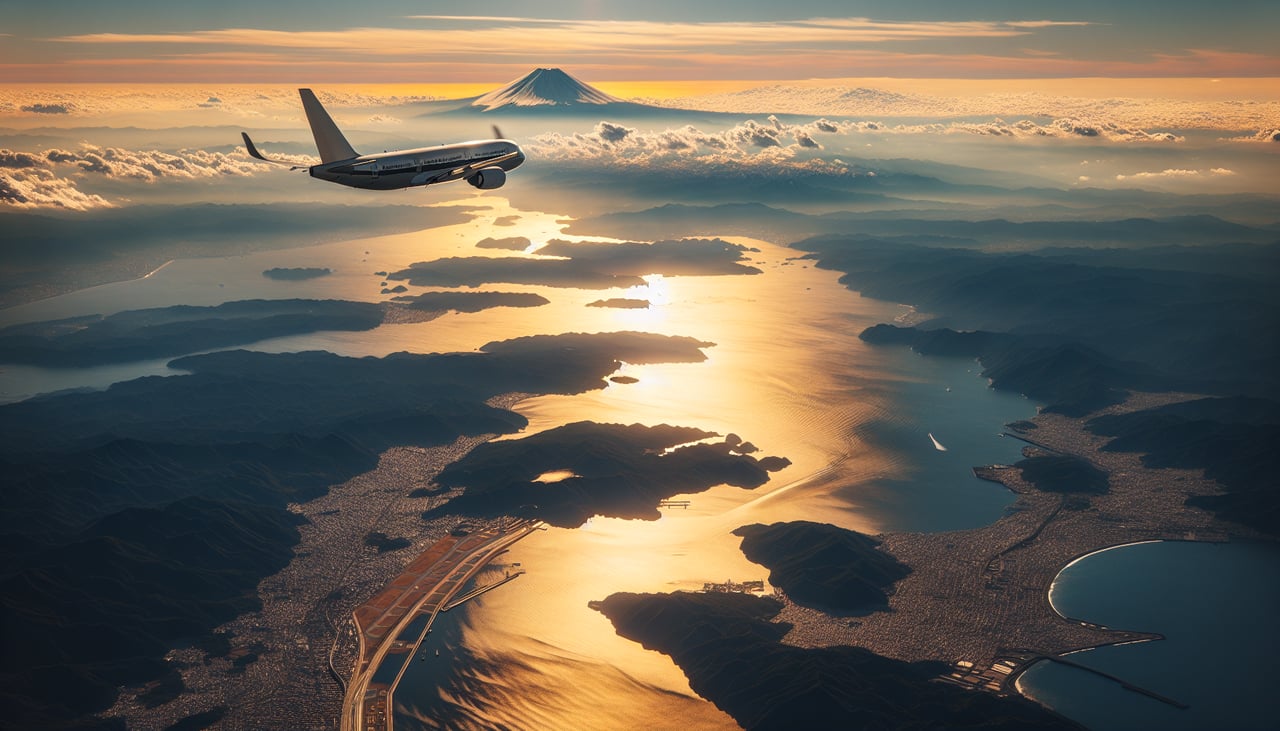
Takeoff from NRT
RIGHTAfter departing Narita and banking onto the southwest heading toward Hong Kong, the right side faces back toward the Japanese mainland. Passengers get a good look at Tokyo Bay, the Boso/Izu coastline, and on clear days the unmistakable cone of Mount Fuji rising above the haze.
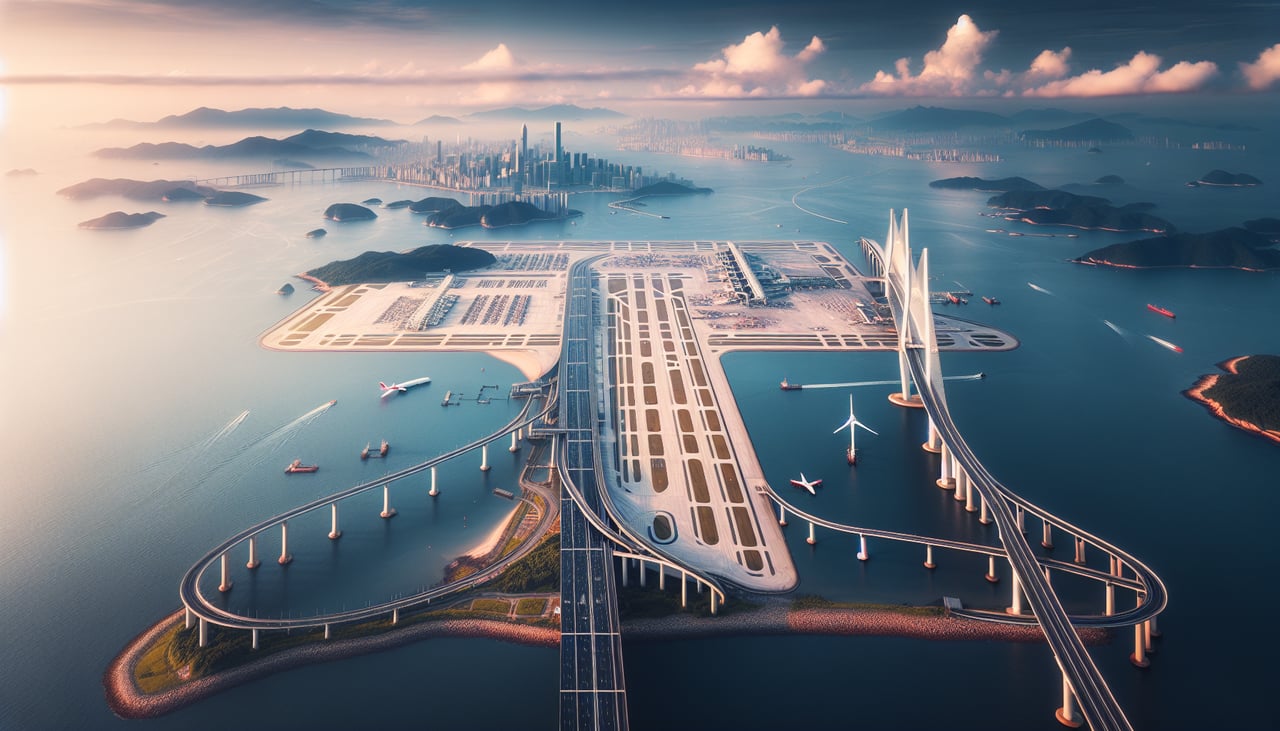
Landing at HKG
RIGHTOn approach into Hong Kong, the flight path typically curves past Lantau Island's steep green ridgelines before final alignment with the runway. This puts Victoria Harbour, the dense Hong Kong Island skyline, and the scattered islands of the Pearl River Delta in view on the right side.
Will your flight be in sunlight?
Pick a date and time in the Sun Map to watch the sun move across your whole flight.
About This Route
Which side of the plane should I sit on flying from New Tokyo International (NRT) to Hong Kong International (HKG)?
Sit on the Right side of the plane for the best views on flights from Tokyo to Hong Kong. The right side combines a scenic Japanese departure past Mount Fuji and the Izu coastline, a cruise phase tracking near the Ryukyu Islands, and a dramatic mountainous, skyline-filled arrival into Hong Kong, while the left side spends most of the flight over open ocean with little to see.
What can I see during takeoff from New Tokyo International in Tokyo?
During takeoff from New Tokyo International (NRT), sit on the Right side for the best views. After departing Narita and banking onto the southwest heading toward Hong Kong, the right side faces back toward the Japanese mainland. Passengers get a good look at Tokyo Bay, the Boso/Izu coastline, and on clear days the unmistakable cone of Mount Fuji rising above the haze. Notable sights include: Tokyo Bay, Izu Peninsula coastline, Mount Fuji, Chiba lowlands.
What can I see when landing at Hong Kong International in Hong Kong?
When landing at Hong Kong International (HKG), sit on the Right side for the best views. On approach into Hong Kong, the flight path typically curves past Lantau Island's steep green ridgelines before final alignment with the runway. This puts Victoria Harbour, the dense Hong Kong Island skyline, and the scattered islands of the Pearl River Delta in view on the right side. Notable sights include: Lantau Island peaks, Hong Kong Island skyline, Victoria Harbour, Pearl River Delta islands.
How long is the flight from Tokyo to Hong Kong?
The flight from New Tokyo International (NRT) to Hong Kong International (HKG) takes about 5 hours 5 minutes. The shortest flight path between them is 1,841 miles (2,962 km); winds and air traffic control usually add a few percent.
What does the Tokyo to Hong Kong flight path pass over?
East China Sea, the Ryukyu Island chain including Okinawa and Amami Oshima, and occasionally the northern tip of Taiwan visible in the distance depending on routing