The left side wins on both ends of the flight—Mt. Fuji during a clear NRT departure and Himalayan peaks during the KTM approach—while the right side offers mostly flat plains and city sprawl without comparable drama.
Flown NRT to KTM? Did we get it right?
Flight Path
Tokyo to Kathmandu is 3,240 miles (5,214 km), a flight of about 6 hours 50 minutes.
Eastern China coastal plains, the Yangtze River basin, Sichuan Basin, and the eastern edge of the Tibetan Plateau along the cruise track
Great circle distance and headings ›


Phase by phase
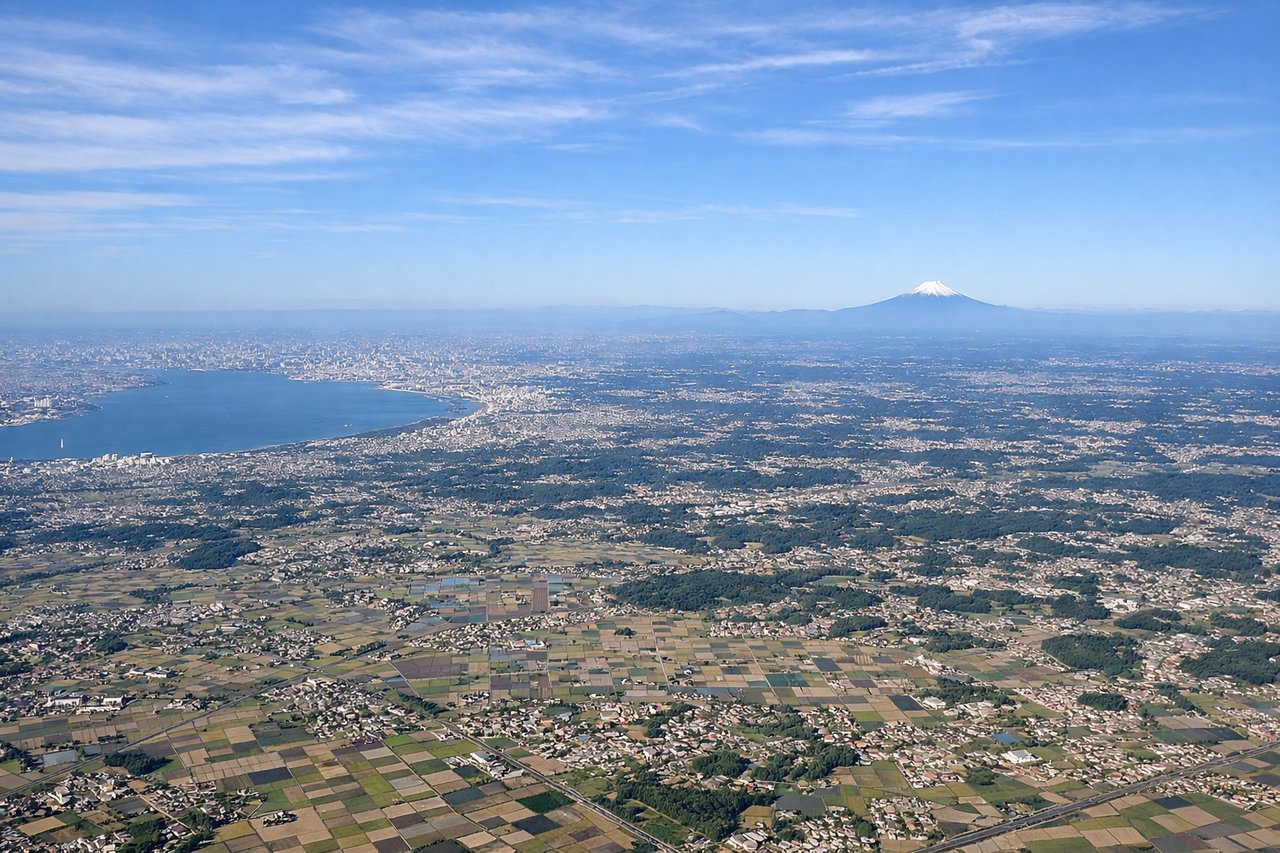
Takeoff from NRT
LEFTDeparting NRT to the west, the aircraft typically climbs out over Chiba and turns toward the Kanto Plain, giving left-side (south-facing) passengers a good chance to spot Mt. Fuji's snow-capped cone rising above the haze on a clear day. The right side mostly shows flat farmland and Tokyo Bay's industrial fringe.
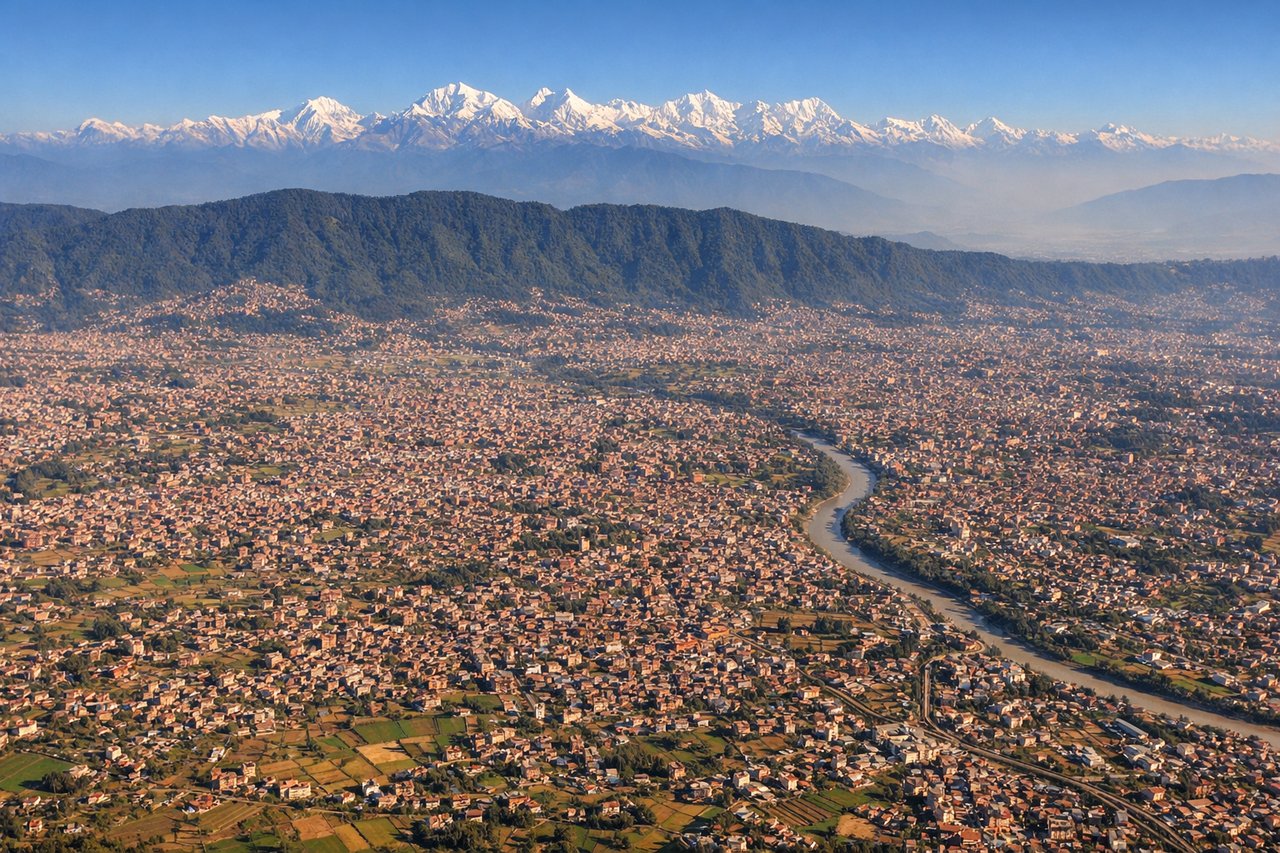
Landing at KTM
LEFTOn approach into Kathmandu from the east, left-side passengers get sweeping views north toward the snow-covered Himalayan wall—peaks like the Langtang range are often visible above the Kathmandu Valley rim in clear weather. The right side mostly shows the valley's southern hills and urban sprawl of Kathmandu itself.
Will your flight be in sunlight?
Pick a date and time in the Sun Map to watch the sun move across your whole flight.
About This Route
Which side of the plane should I sit on flying from New Tokyo International (NRT) to Tribhuvan International (KTM)?
Sit on the Left side of the plane for the best views on flights from Tokyo to Kathmandu. The left side wins on both ends of the flight—Mt. Fuji during a clear NRT departure and Himalayan peaks during the KTM approach—while the right side offers mostly flat plains and city sprawl without comparable drama.
What can I see during takeoff from New Tokyo International in Tokyo?
During takeoff from New Tokyo International (NRT), sit on the Left side for the best views. Departing NRT to the west, the aircraft typically climbs out over Chiba and turns toward the Kanto Plain, giving left-side (south-facing) passengers a good chance to spot Mt. Fuji's snow-capped cone rising above the haze on a clear day. The right side mostly shows flat farmland and Tokyo Bay's industrial fringe. Notable sights include: Mt. Fuji, Tokyo Bay coastline, Chiba lowlands, Sagami Bay in the distance.
What can I see when landing at Tribhuvan International in Kathmandu?
When landing at Tribhuvan International (KTM), sit on the Left side for the best views. On approach into Kathmandu from the east, left-side passengers get sweeping views north toward the snow-covered Himalayan wall—peaks like the Langtang range are often visible above the Kathmandu Valley rim in clear weather. The right side mostly shows the valley's southern hills and urban sprawl of Kathmandu itself. Notable sights include: Himalayan foothills, Langtang Himal range, Kathmandu Valley rim, Bagmati River valley.
How long is the flight from Tokyo to Kathmandu?
The flight from New Tokyo International (NRT) to Tribhuvan International (KTM) takes about 6 hours 50 minutes. The shortest flight path between them is 3,240 miles (5,214 km); winds and air traffic control usually add a few percent.
What does the Tokyo to Kathmandu flight path pass over?
Eastern China coastal plains, the Yangtze River basin, Sichuan Basin, and the eastern edge of the Tibetan Plateau along the cruise track