Right side scores higher (3.5 vs 2.5) due to superior landing approach scenery over the Weald and North Downs, plus meaningful Tokyo Bay and urban views during departure. Left side faces predominantly open ocean for most of the cruise phase and offers minimal scenic value on approach. The right side captures both the dramatic urban-to-rural transition at both ends of the flight.
Flight Path
The flight path crosses the Eurasian landmass from east to west, passing over or near: the Japanese Alps and central Honshu mountains during initial climb; the Siberian taiga and vast boreal forests across Russia; the Ural Mountains marking the Europe-Asia boundary; the Russian steppe and southern Russia; the Black Sea region; the Alps and their foothills; and finally the English Channel and southern England. The most dramatic terrain occurs over the Japanese Alps (first 90 minutes) and the Alps approaching Europe (final 90 minutes). The middle 8+ hours traverse relatively flat to gently rolling terrain across Siberia and the Russian plains, with limited visual drama but vast geographic scale.
Great circle distance and headings ›

.jpeg?width=600)
Phase by phase
Takeoff from NRT
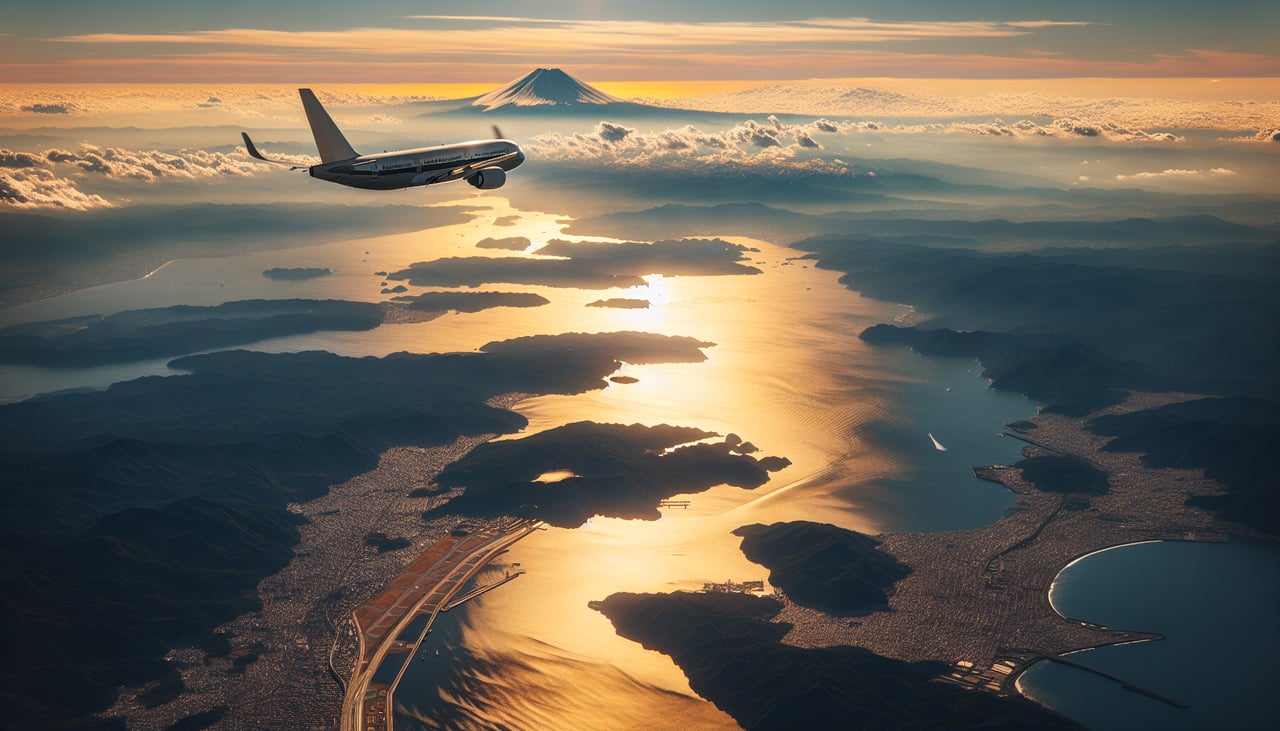
RIGHTRight side captures Tokyo Bay and the Kanto Plain during departure. Depending on runway use (typically 34L/34R northbound), the aircraft climbs over or near Tokyo's urban sprawl, offering views of the city's eastern districts, industrial waterfront, and the bay itself before turning northwest toward the cruise track.
Landing at LGW
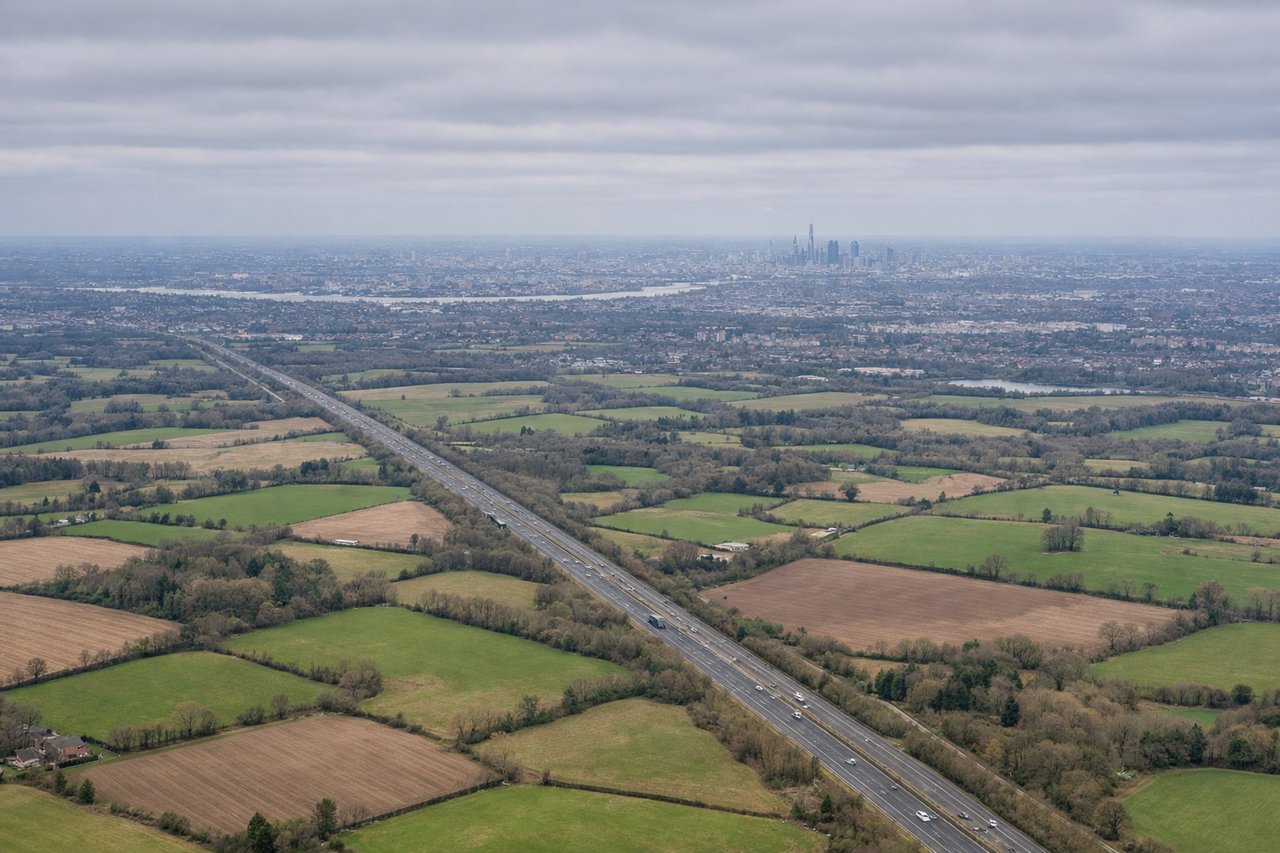
RIGHTRight side offers superior approach scenery into Gatwick. With prevailing westerly winds favoring runway 26 operations, aircraft typically descend from the east over the Weald of Surrey and Sussex, crossing the North Downs and approaching from the southeast. Right-side passengers see the rolling chalk hills, patchwork farmland, and the final approach over Gatwick's immediate surroundings and the airport itself.
Landmarks on this routeAll landmarks →
Will your flight be in sunlight?
See exactly which side of the plane gets sun and shade at your departure time.
About This Route
Which side of the plane should I sit on flying from New Tokyo International (NRT) to Gatwick (LGW)?
Sit on the Right side of the plane for the best views on flights from Tokyo to London. Right side scores higher (3.5 vs 2.5) due to superior landing approach scenery over the Weald and North Downs, plus meaningful Tokyo Bay and urban views during departure. Left side faces predominantly open ocean for most of the cruise phase and offers minimal scenic value on approach. The right side captures both the dramatic urban-to-rural transition at both ends of the flight.
What can I see during takeoff from New Tokyo International in Tokyo?
During takeoff from New Tokyo International (NRT), sit on the Right side for the best views. Right side captures Tokyo Bay and the Kanto Plain during departure. Depending on runway use (typically 34L/34R northbound), the aircraft climbs over or near Tokyo's urban sprawl, offering views of the city's eastern districts, industrial waterfront, and the bay itself before turning northwest toward the cruise track. Notable sights include: Tokyo Bay, Chiba industrial zone, Kanto Plain extending inland, Tokyo metropolitan area.
What can I see when landing at Gatwick in London?
When landing at Gatwick (LGW), sit on the Right side for the best views. Right side offers superior approach scenery into Gatwick. With prevailing westerly winds favoring runway 26 operations, aircraft typically descend from the east over the Weald of Surrey and Sussex, crossing the North Downs and approaching from the southeast. Right-side passengers see the rolling chalk hills, patchwork farmland, and the final approach over Gatwick's immediate surroundings and the airport itself. Notable sights include: North Downs, Weald of Surrey, Gatwick Airport and its parallel runways, patchwork English farmland and villages.
How long is the flight from Tokyo to London?
The flight from New Tokyo International (NRT) to Gatwick (LGW) takes 11h 55m.
What does the Tokyo to London flight path pass over?
The flight path crosses the Eurasian landmass from east to west, passing over or near: the Japanese Alps and central Honshu mountains during initial climb; the Siberian taiga and vast boreal forests across Russia; the Ural Mountains marking the Europe-Asia boundary; the Russian steppe and southern Russia; the Black Sea region; the Alps and their foothills; and finally the English Channel and southern England. The most dramatic terrain occurs over the Japanese Alps (first 90 minutes) and the Alps approaching Europe (final 90 minutes). The middle 8+ hours traverse relatively flat to gently rolling terrain across Siberia and the Russian plains, with limited visual drama but vast geographic scale.