Reykjavik to Armstrong is 2,539 miles (4,087 km), a flight of about 6 hours 45 minutes.
The outbound leg from Reykjavik offers more dramatic and visually distinctive scenery—Iceland's volcanic landscape, geothermal features, and Atlantic coastline are far more striking than the approach to Armstrong, which is primarily boreal forest and lakes. Left side captures the more memorable portion of this transatlantic route.
Flight Path
The flight path crosses the North Atlantic, passing over the Denmark Strait between Iceland and Greenland (Greenland's ice sheet visible on clear days), then over the Canadian Arctic Archipelago and Hudson Bay region. The midpoint offers views of Baffin Island's terrain, Hudson Bay's vast expanse, and the transition from Arctic tundra to boreal forest as the aircraft approaches continental Canada.
Great circle distance and headings ›Phase by phase
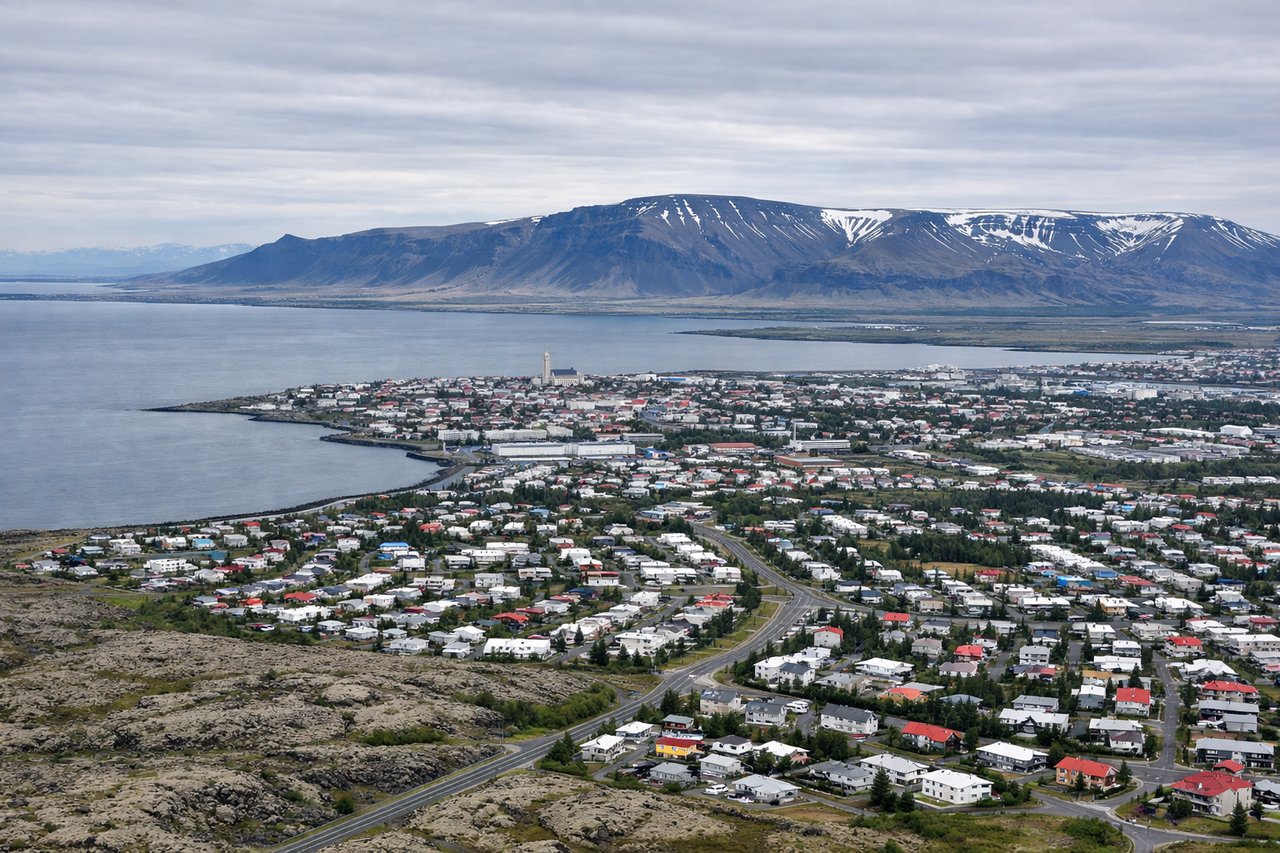
Takeoff from RKV
LEFTLeft side offers views of Iceland's western coastline and the Reykjanes Peninsula immediately after departure. You'll see the Atlantic Ocean, coastal cliffs, and geothermal areas around Keflavík before the aircraft turns northwest toward Canada.
Landing at YYW
RIGHTRight side provides views of Lake Superior's northern shoreline and the boreal forest landscape approaching Armstrong. As you descend into northwestern Ontario, the right side captures the transition from open water to dense coniferous forest and the terrain surrounding Armstrong Airport.
Will your flight be in sunlight?
Pick a date and time in the Sun Map to watch the sun move across your whole flight.
About This Route
Which side of the plane should I sit on flying from Reykjavik (RKV) to Armstrong (YYW)?
Sit on the Left side of the plane for the best views on flights from Reykjavik to Armstrong. The outbound leg from Reykjavik offers more dramatic and visually distinctive scenery—Iceland's volcanic landscape, geothermal features, and Atlantic coastline are far more striking than the approach to Armstrong, which is primarily boreal forest and lakes. Left side captures the more memorable portion of this transatlantic route.
What can I see during takeoff from Reykjavik in Reykjavik?
During takeoff from Reykjavik (RKV), sit on the Left side for the best views. Left side offers views of Iceland's western coastline and the Reykjanes Peninsula immediately after departure. You'll see the Atlantic Ocean, coastal cliffs, and geothermal areas around Keflavík before the aircraft turns northwest toward Canada. Notable sights include: Reykjanes Peninsula, Atlantic coastline, Faxaflói Bay, geothermal steam vents near Keflavík.
What can I see when landing at Armstrong in Armstrong?
When landing at Armstrong (YYW), sit on the Right side for the best views. Right side provides views of Lake Superior's northern shoreline and the boreal forest landscape approaching Armstrong. As you descend into northwestern Ontario, the right side captures the transition from open water to dense coniferous forest and the terrain surrounding Armstrong Airport. Notable sights include: Lake Superior northern shore, boreal forest canopy, Canadian Shield rocky terrain, Armstrong area lakes and waterways.
How long is the flight from Reykjavik to Armstrong?
The flight from Reykjavik (RKV) to Armstrong (YYW) takes about 6 hours 45 minutes. The shortest flight path between them is 2,539 miles (4,087 km); winds and air traffic control usually add a few percent.
What does the Reykjavik to Armstrong flight path pass over?
The flight path crosses the North Atlantic, passing over the Denmark Strait between Iceland and Greenland (Greenland's ice sheet visible on clear days), then over the Canadian Arctic Archipelago and Hudson Bay region. The midpoint offers views of Baffin Island's terrain, Hudson Bay's vast expanse, and the transition from Arctic tundra to boreal forest as the aircraft approaches continental Canada.