The left side wins primarily on the strength of the SFO departure, which showcases the San Francisco Bay, skyline, and bridges in a way the right side cannot match, plus slightly better views of the Sierra Nevada foothills and Colorado Plateau high country during cruise, while the flat Texas landing is scenically neutral for both sides.
Flight Path
Southern Sierra Nevada foothills, Nevada's Great Basin desert ranges, the San Francisco Peaks and Colorado Plateau near Flagstaff, Arizona, and the high desert plains of eastern New Mexico and West Texas before the flat coastal plain approach into Houston
Great circle distance and headings ›


.jpeg?width=600)


.jpg?width=600)
Phase by phase
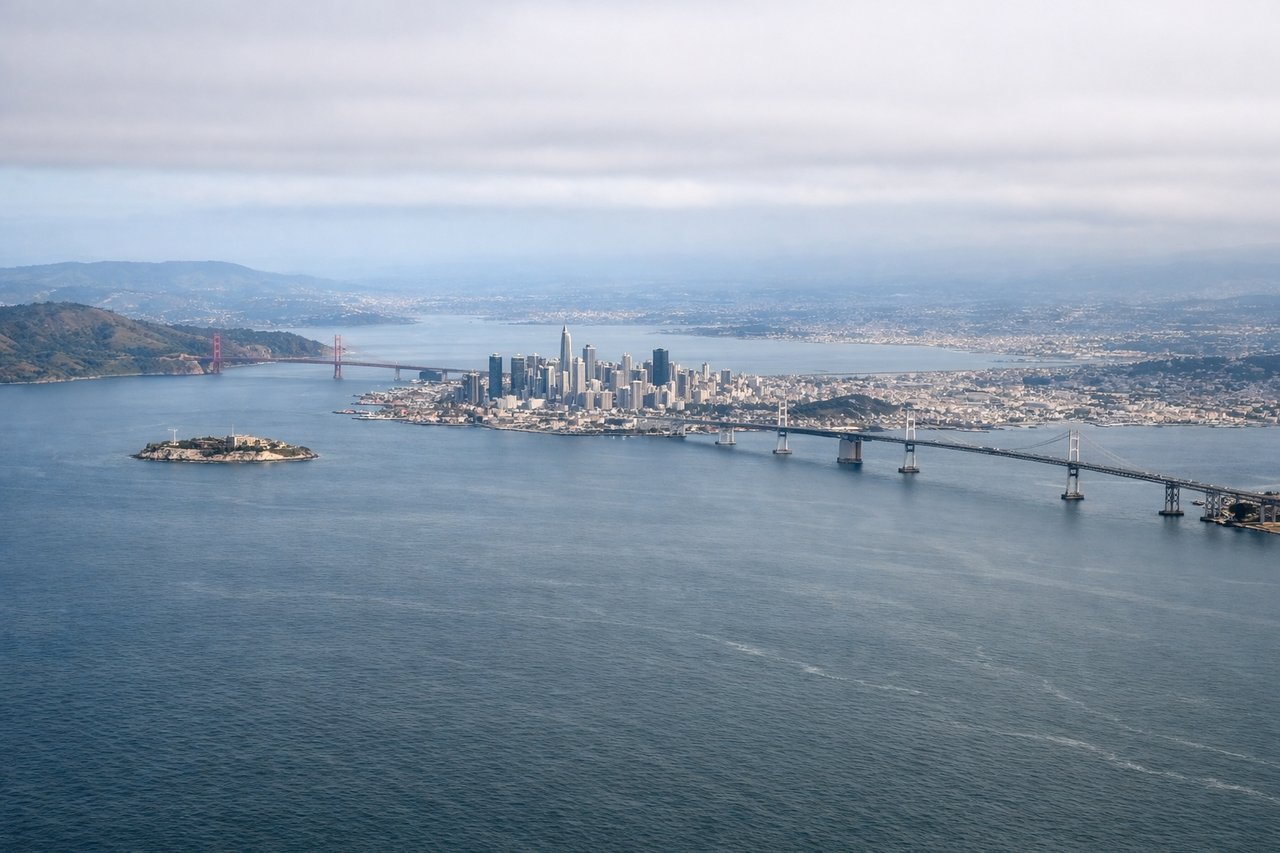
Takeoff from SFO
LEFTSFO's eastbound departure (runway 28R/10L) banks out over San Francisco Bay, putting the city skyline, the Bay Bridge, and the Berkeley-Oakland hills on the left side of the aircraft. The right side only offers views of South Bay suburbs and the Santa Cruz foothills, which are far less distinctive.
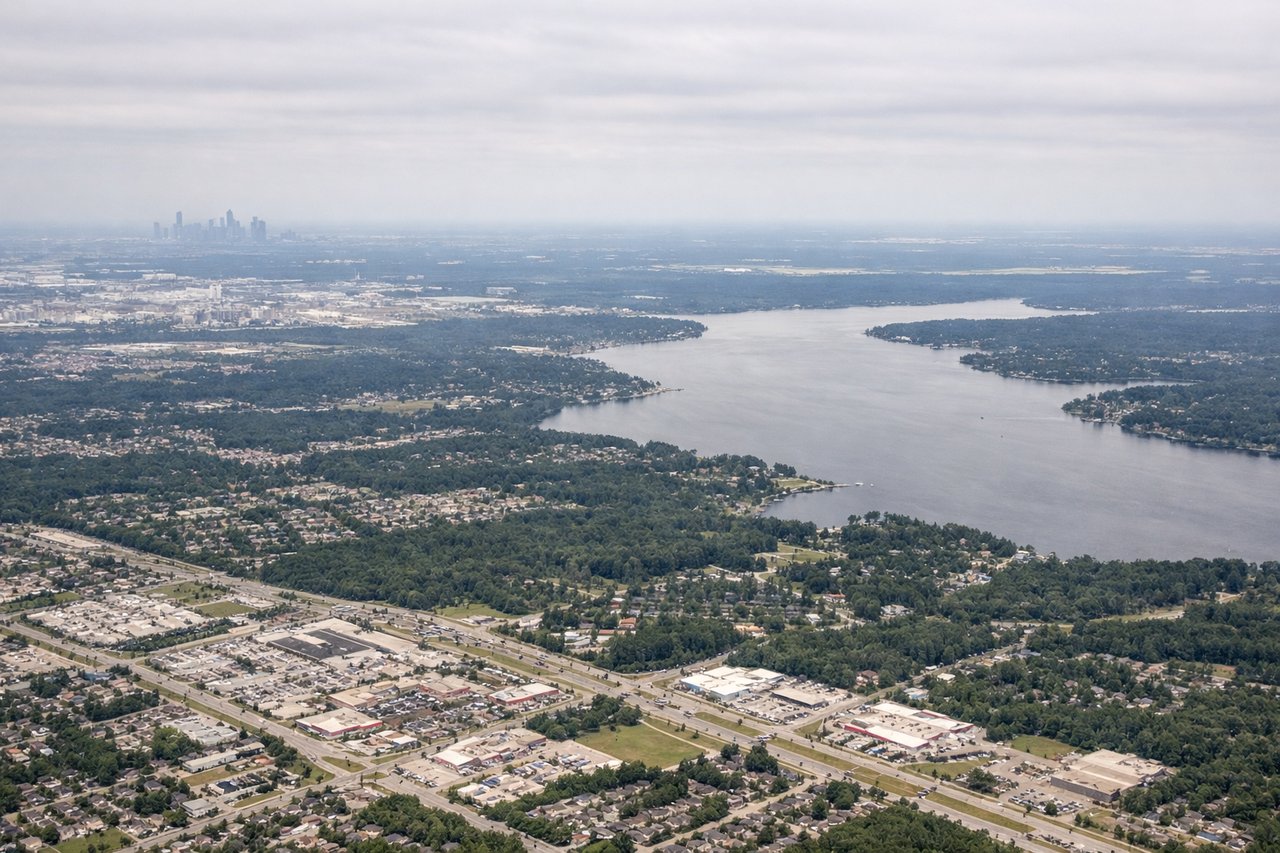
Landing at IAH
RIGHTAs the aircraft descends toward IAH from the west, a turn to align with the airport's runways briefly swings the right side toward downtown Houston, offering a distant glimpse of its skyline and the Lake Houston reservoir. The left side mostly faces flat pine-forest suburbs with no distinguishing features.
Landmarks on this routeAll landmarks →
Will your flight be in sunlight?
See exactly which side of the plane gets sun and shade at your departure time.
About This Route
Which side of the plane should I sit on flying from San Francisco International (SFO) to George Bush Intcntl Houston (IAH)?
Sit on the Left side of the plane for the best views on flights from San Francisco to Houston. The left side wins primarily on the strength of the SFO departure, which showcases the San Francisco Bay, skyline, and bridges in a way the right side cannot match, plus slightly better views of the Sierra Nevada foothills and Colorado Plateau high country during cruise, while the flat Texas landing is scenically neutral for both sides.
What can I see during takeoff from San Francisco International in San Francisco?
During takeoff from San Francisco International (SFO), sit on the Left side for the best views. SFO's eastbound departure (runway 28R/10L) banks out over San Francisco Bay, putting the city skyline, the Bay Bridge, and the Berkeley-Oakland hills on the left side of the aircraft. The right side only offers views of South Bay suburbs and the Santa Cruz foothills, which are far less distinctive. Notable sights include: San Francisco skyline, Bay Bridge, Berkeley/Oakland hills, Mount Diablo in the distance.
What can I see when landing at George Bush Intcntl Houston in Houston?
When landing at George Bush Intcntl Houston (IAH), sit on the Right side for the best views. As the aircraft descends toward IAH from the west, a turn to align with the airport's runways briefly swings the right side toward downtown Houston, offering a distant glimpse of its skyline and the Lake Houston reservoir. The left side mostly faces flat pine-forest suburbs with no distinguishing features. Notable sights include: Downtown Houston skyline (distant), Lake Houston reservoir, East Texas pine forest patches, Sam Houston Tollway corridor.
How long is the flight from San Francisco to Houston?
The flight from San Francisco International (SFO) to George Bush Intcntl Houston (IAH) takes 3h 40m.
What does the San Francisco to Houston flight path pass over?
Southern Sierra Nevada foothills, Nevada's Great Basin desert ranges, the San Francisco Peaks and Colorado Plateau near Flagstaff, Arizona, and the high desert plains of eastern New Mexico and West Texas before the flat coastal plain approach into Houston