Both sides share roughly fourteen hours of open Pacific Ocean, so the difference comes down to the bookend views. The Golden Gate Bridge and San Francisco Bay skyline at departure are a more singularly iconic sight than Melbourne's more modest skyline glimpse on arrival, giving the right side a slight edge overall.
Flight Path
The great-circle route crosses the vast open central Pacific Ocean, passing well south of Hawaii and north of Fiji, with no land visible for most of the crossing; the flight nears Australia's southeastern coastline before descending into Victoria.
Great circle distance and headings ›
.jpg?width=600)
Phase by phase
Takeoff from SFO
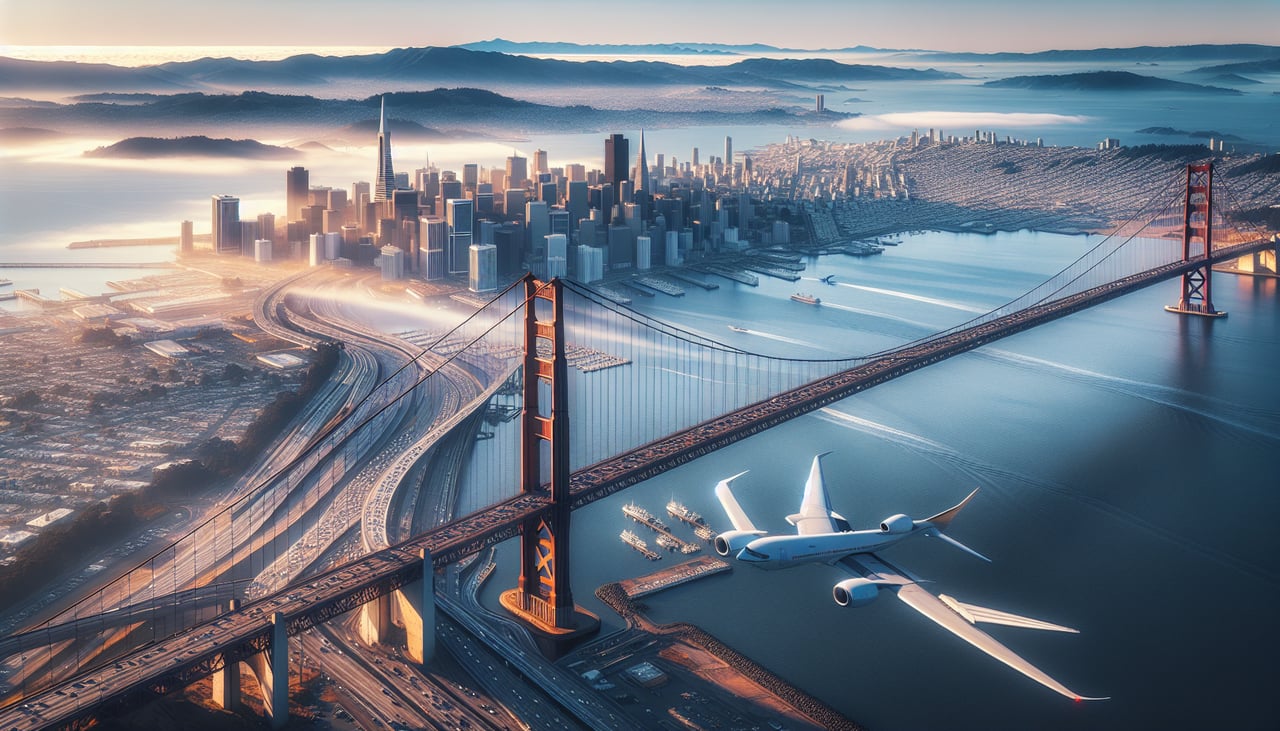
RIGHTSFO departures head out over the Bay before banking south toward the Pacific, and right-side passengers get a clear view across the water to San Francisco's skyline and the Golden Gate Bridge during the turn. Left-side seats mostly see the East Bay hills and suburban Oakland, which is less distinctive.
Landing at MEL
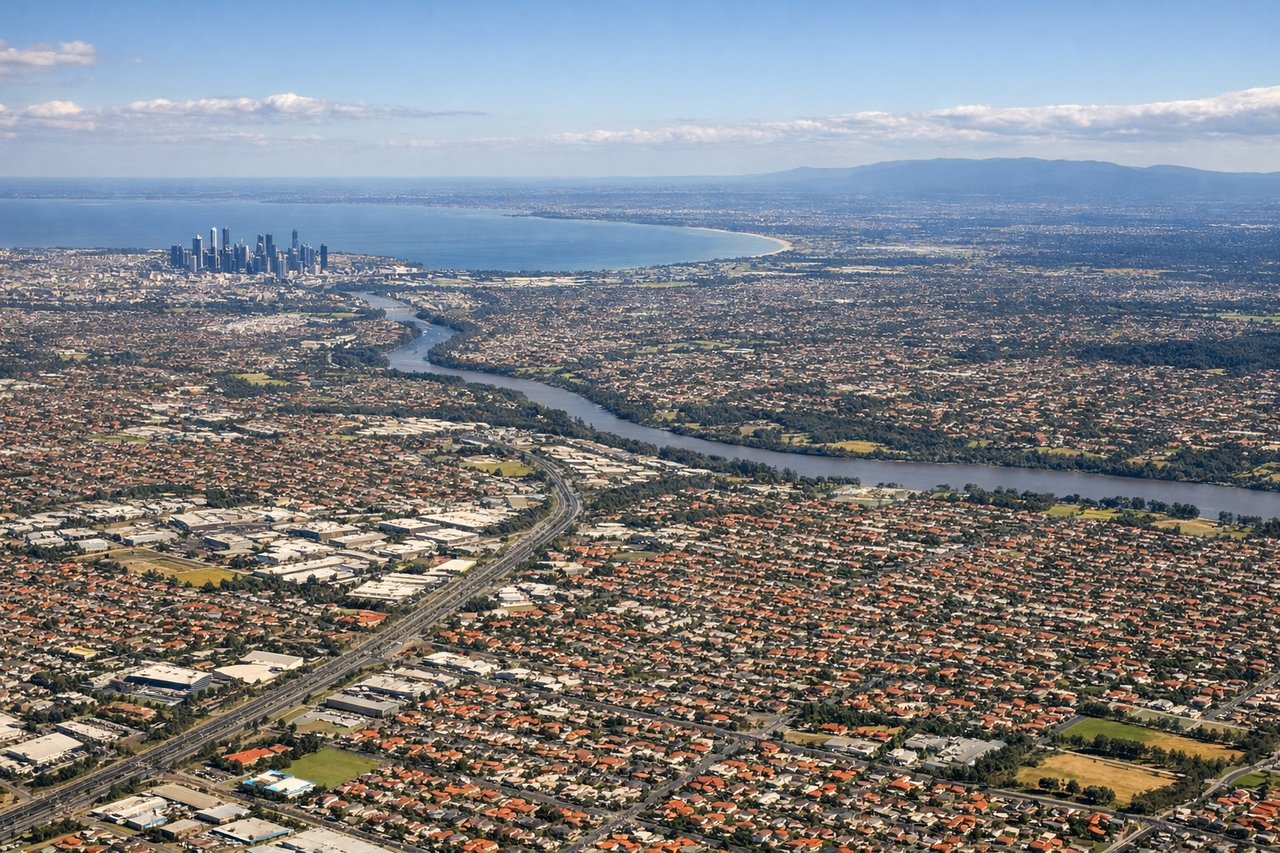
LEFTOn the approach into Melbourne from the north, the flight path passes just west of the city before lining up for runway 16, putting the CBD skyline and Port Phillip Bay in view on the left side. The right side mostly shows flat rural Victorian farmland with little visual interest.
Landmarks on this routeAll landmarks →
Will your flight be in sunlight?
See exactly which side of the plane gets sun and shade at your departure time.
About This Route
Which side of the plane should I sit on flying from San Francisco International (SFO) to Melbourne International (MEL)?
Sit on the Right side of the plane for the best views on flights from San Francisco to Melbourne. Both sides share roughly fourteen hours of open Pacific Ocean, so the difference comes down to the bookend views. The Golden Gate Bridge and San Francisco Bay skyline at departure are a more singularly iconic sight than Melbourne's more modest skyline glimpse on arrival, giving the right side a slight edge overall.
What can I see during takeoff from San Francisco International in San Francisco?
During takeoff from San Francisco International (SFO), sit on the Right side for the best views. SFO departures head out over the Bay before banking south toward the Pacific, and right-side passengers get a clear view across the water to San Francisco's skyline and the Golden Gate Bridge during the turn. Left-side seats mostly see the East Bay hills and suburban Oakland, which is less distinctive. Notable sights include: Golden Gate Bridge, San Francisco skyline, San Francisco Bay, Marin Headlands.
What can I see when landing at Melbourne International in Melbourne?
When landing at Melbourne International (MEL), sit on the Left side for the best views. On the approach into Melbourne from the north, the flight path passes just west of the city before lining up for runway 16, putting the CBD skyline and Port Phillip Bay in view on the left side. The right side mostly shows flat rural Victorian farmland with little visual interest. Notable sights include: Melbourne CBD skyline, Port Phillip Bay, Yarra River mouth, Docklands.
How long is the flight from San Francisco to Melbourne?
The flight from San Francisco International (SFO) to Melbourne International (MEL) takes 15h 25m.
What does the San Francisco to Melbourne flight path pass over?
The great-circle route crosses the vast open central Pacific Ocean, passing well south of Hawaii and north of Fiji, with no land visible for most of the crossing; the flight nears Australia's southeastern coastline before descending into Victoria.