Basse Terre to London is 4,102 miles (6,601 km), a flight of about 7 hours 45 minutes.
While the takeoff offers dramatic Caribbean island and volcanic scenery on the right, the landing approach into London provides more sustained and varied views of major geographical features (Thames, Greater London, Chiltern Hills) that most passengers find compelling. The left side captures the final descent narrative.
Flight Path
The flight path crosses the Atlantic Ocean for roughly 3,000 nautical miles. Notable waypoints include the Azores islands (visible if passing to the south around 38°N), the Bay of Biscay, and the Iberian Peninsula's northern coast near Galicia. The aircraft typically passes over or near the British Isles' western approaches before turning toward London. Most of the mid-Atlantic crossing offers open ocean with no visible landmarks; the first significant landfall is usually the Irish coast or Welsh coast, followed by the English Midlands and approach to southeast England.
Great circle distance and headings ›Phase by phase
Takeoff from SKB
RIGHTRight-side seats offer immediate views of the Caribbean coastline and the island's volcanic terrain as the aircraft climbs northwestward from SKB. You'll see the Atlantic coast and neighboring islands receding as altitude increases.
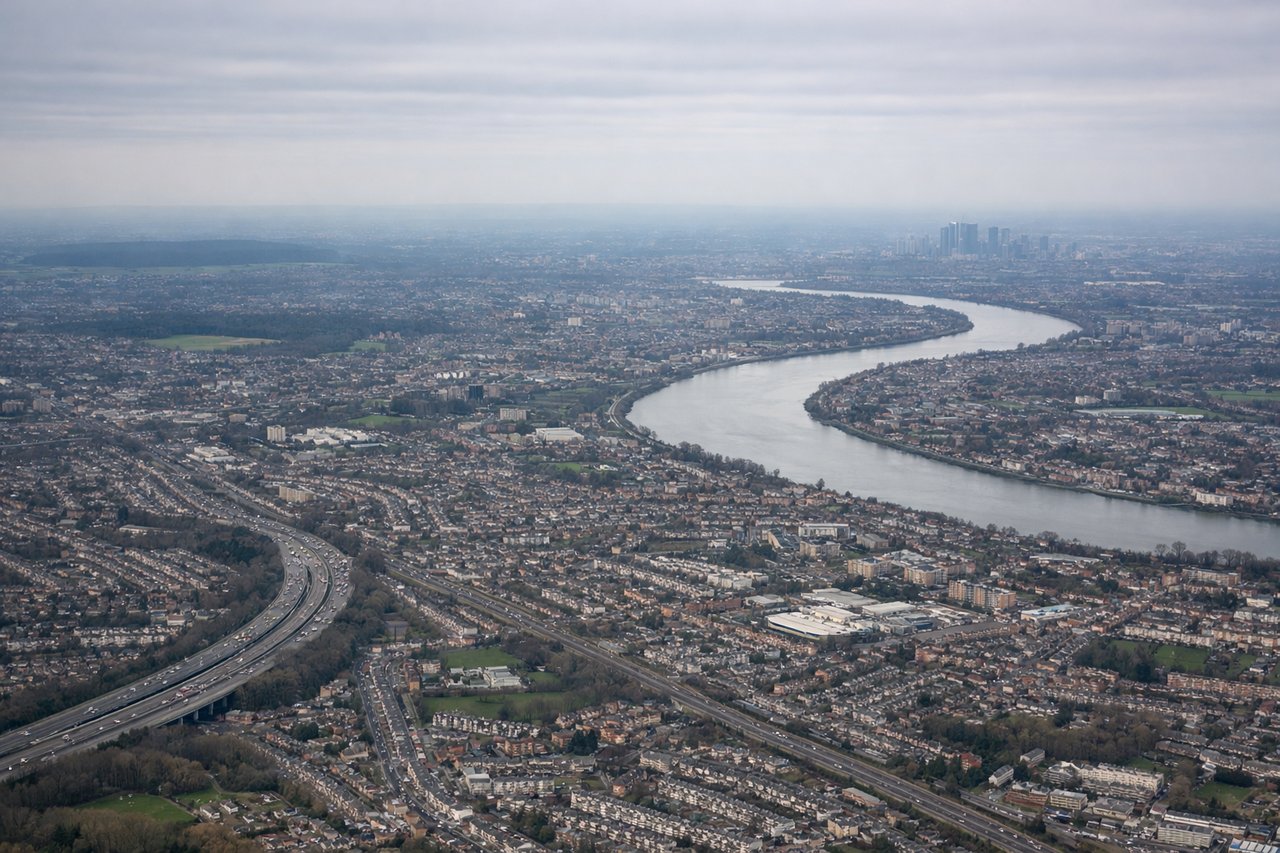
Landing at LHR
LEFTLeft-side seats provide the best views during the final approach into Heathrow. You'll see the Thames River, London's urban sprawl, and the approach path over the Greater London area as the aircraft descends from the west.
Landmarks on this routeAll landmarks →
Will your flight be in sunlight?
Pick a date and time in the Sun Map to watch the sun move across your whole flight.
About This Route
Which side of the plane should I sit on flying from Robert L Bradshaw (SKB) to Heathrow (LHR)?
Sit on the Left side of the plane for the best views on flights from Basse Terre to London. While the takeoff offers dramatic Caribbean island and volcanic scenery on the right, the landing approach into London provides more sustained and varied views of major geographical features (Thames, Greater London, Chiltern Hills) that most passengers find compelling. The left side captures the final descent narrative.
What can I see during takeoff from Robert L Bradshaw in Basse Terre?
During takeoff from Robert L Bradshaw (SKB), sit on the Right side for the best views. Right-side seats offer immediate views of the Caribbean coastline and the island's volcanic terrain as the aircraft climbs northwestward from SKB. You'll see the Atlantic coast and neighboring islands receding as altitude increases. Notable sights include: Basse Terre island's southwestern coastline, the Caribbean Sea, Nevis island to the southeast, and the volcanic peaks of the central ridge.
What can I see when landing at Heathrow in London?
When landing at Heathrow (LHR), sit on the Left side for the best views. Left-side seats provide the best views during the final approach into Heathrow. You'll see the Thames River, London's urban sprawl, and the approach path over the Greater London area as the aircraft descends from the west. Notable sights include: The Thames River and its meanders through London, the urban expanse of Greater London, Windsor Castle area to the west, and the Chiltern Hills on the horizon.
How long is the flight from Basse Terre to London?
The flight from Robert L Bradshaw (SKB) to Heathrow (LHR) takes about 7 hours 45 minutes. The shortest flight path between them is 4,102 miles (6,601 km); winds and air traffic control usually add a few percent.
What does the Basse Terre to London flight path pass over?
The flight path crosses the Atlantic Ocean for roughly 3,000 nautical miles. Notable waypoints include the Azores islands (visible if passing to the south around 38°N), the Bay of Biscay, and the Iberian Peninsula's northern coast near Galicia. The aircraft typically passes over or near the British Isles' western approaches before turning toward London. Most of the mid-Atlantic crossing offers open ocean with no visible landmarks; the first significant landfall is usually the Irish coast or Welsh coast, followed by the English Midlands and approach to southeast England.