The right side offers a more consistent set of recognizable features across the flight — Warsaw's river skyline at departure, glimpses of the Ural foothills and Lake Baikal's southern shoreline at cruise, and the Incheon Bay islands on arrival — compared to the largely flat, repetitive Siberian taiga visible on the left.
Flight Path
Ural Mountains foothills, Siberian taiga plains, Lake Baikal's southern shoreline, Mongolian steppe and Gobi Desert margins
Great circle distance and headings ›Phase by phase
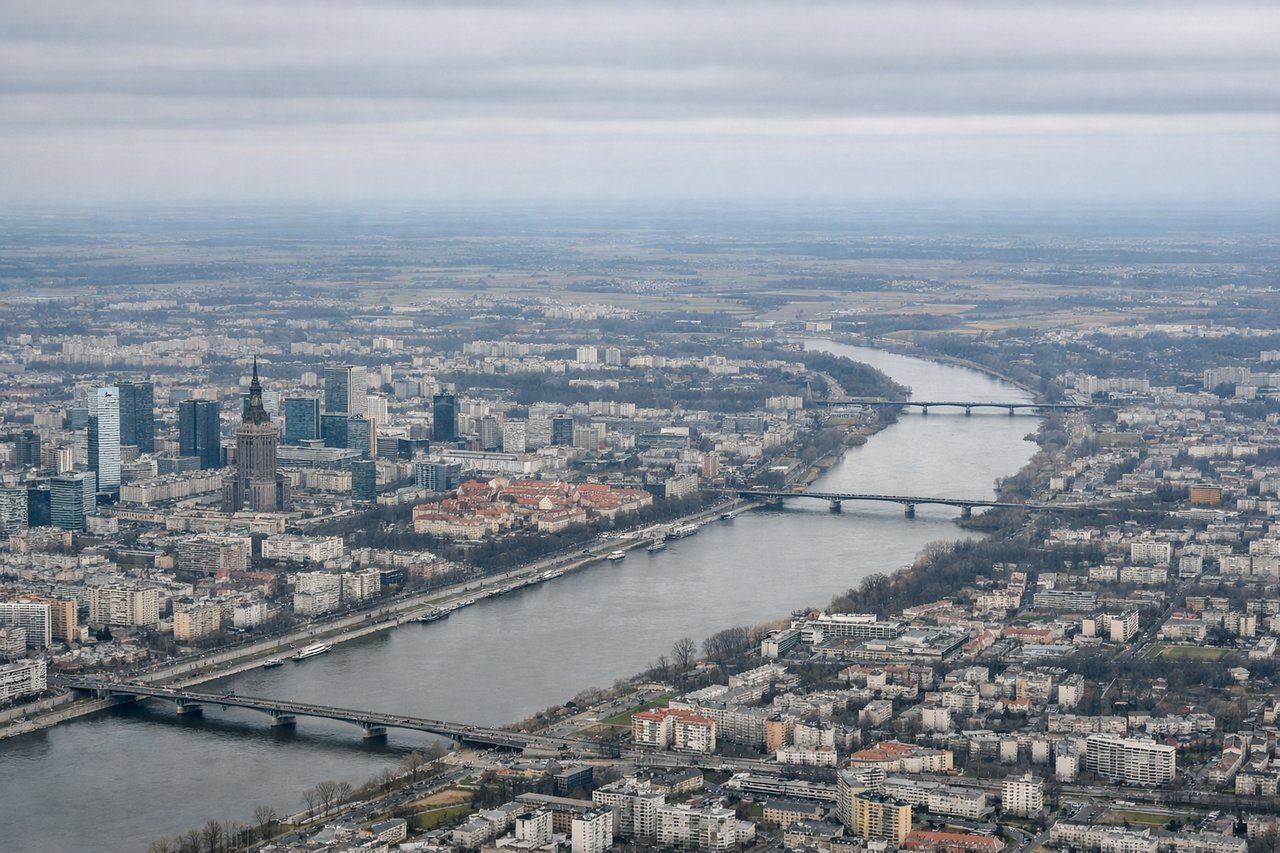
Takeoff from WAW
RIGHTDeparting WAW to the east, the right side gives a brief look back at Warsaw's city center and the Vistula River bend before the aircraft climbs over the flat Masovian plain. The left side shows only featureless farmland stretching toward Belarus.
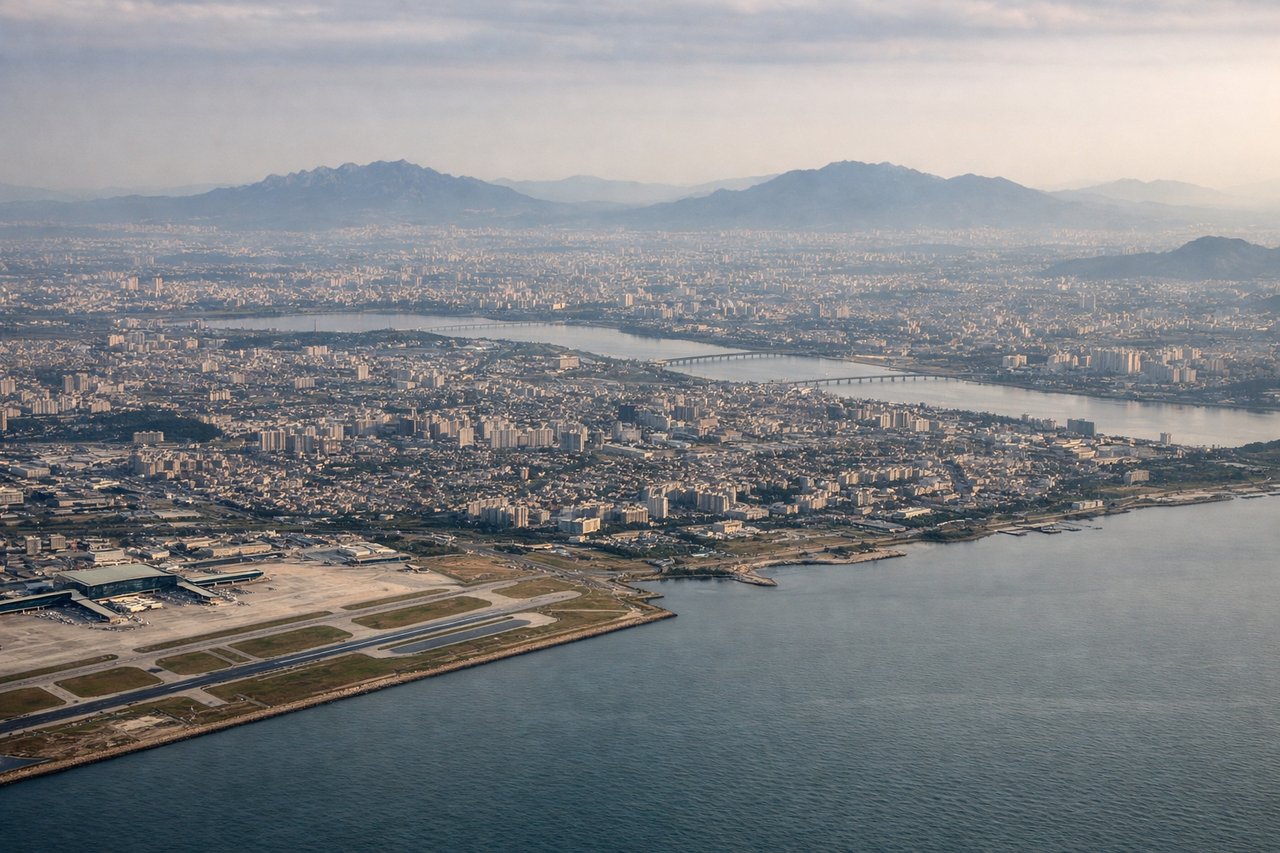
Landing at ICN
RIGHTOn approach into ICN from the west over the Yellow Sea, the right side of the aircraft faces south toward the Incheon Bay islands and the Seoul metropolitan skyline in the distance, while the left side only shows open water and low coastal mudflats.
Will your flight be in sunlight?
See exactly which side of the plane gets sun and shade at your departure time.
About This Route
Which side of the plane should I sit on flying from Okecie (WAW) to Incheon International (ICN)?
Sit on the Right side of the plane for the best views on flights from Warsaw to Seoul. The right side offers a more consistent set of recognizable features across the flight — Warsaw's river skyline at departure, glimpses of the Ural foothills and Lake Baikal's southern shoreline at cruise, and the Incheon Bay islands on arrival — compared to the largely flat, repetitive Siberian taiga visible on the left.
What can I see during takeoff from Okecie in Warsaw?
During takeoff from Okecie (WAW), sit on the Right side for the best views. Departing WAW to the east, the right side gives a brief look back at Warsaw's city center and the Vistula River bend before the aircraft climbs over the flat Masovian plain. The left side shows only featureless farmland stretching toward Belarus. Notable sights include: Warsaw city skyline, Vistula River, Masovian farmland patchwork.
What can I see when landing at Incheon International in Seoul?
When landing at Incheon International (ICN), sit on the Right side for the best views. On approach into ICN from the west over the Yellow Sea, the right side of the aircraft faces south toward the Incheon Bay islands and the Seoul metropolitan skyline in the distance, while the left side only shows open water and low coastal mudflats. Notable sights include: Incheon Bay islands, Yellow Sea coastline, distant Seoul skyline, Han River estuary.
How long is the flight from Warsaw to Seoul?
The flight from Okecie (WAW) to Incheon International (ICN) takes 9h 20m.
What does the Warsaw to Seoul flight path pass over?
Ural Mountains foothills, Siberian taiga plains, Lake Baikal's southern shoreline, Mongolian steppe and Gobi Desert margins