The left side wins on both ends of the flight — Seoul's skyline and mountains at departure, and Warsaw's river and city center on arrival — while the right side is dominated by featureless sea and farmland with little variation.
Flight Path
Southern Siberian taiga and steppe near Novosibirsk, the Ob River, and the low, rounded ridgelines of the Ural Mountains marking the Asia-Europe boundary
Great circle distance and headings ›Phase by phase
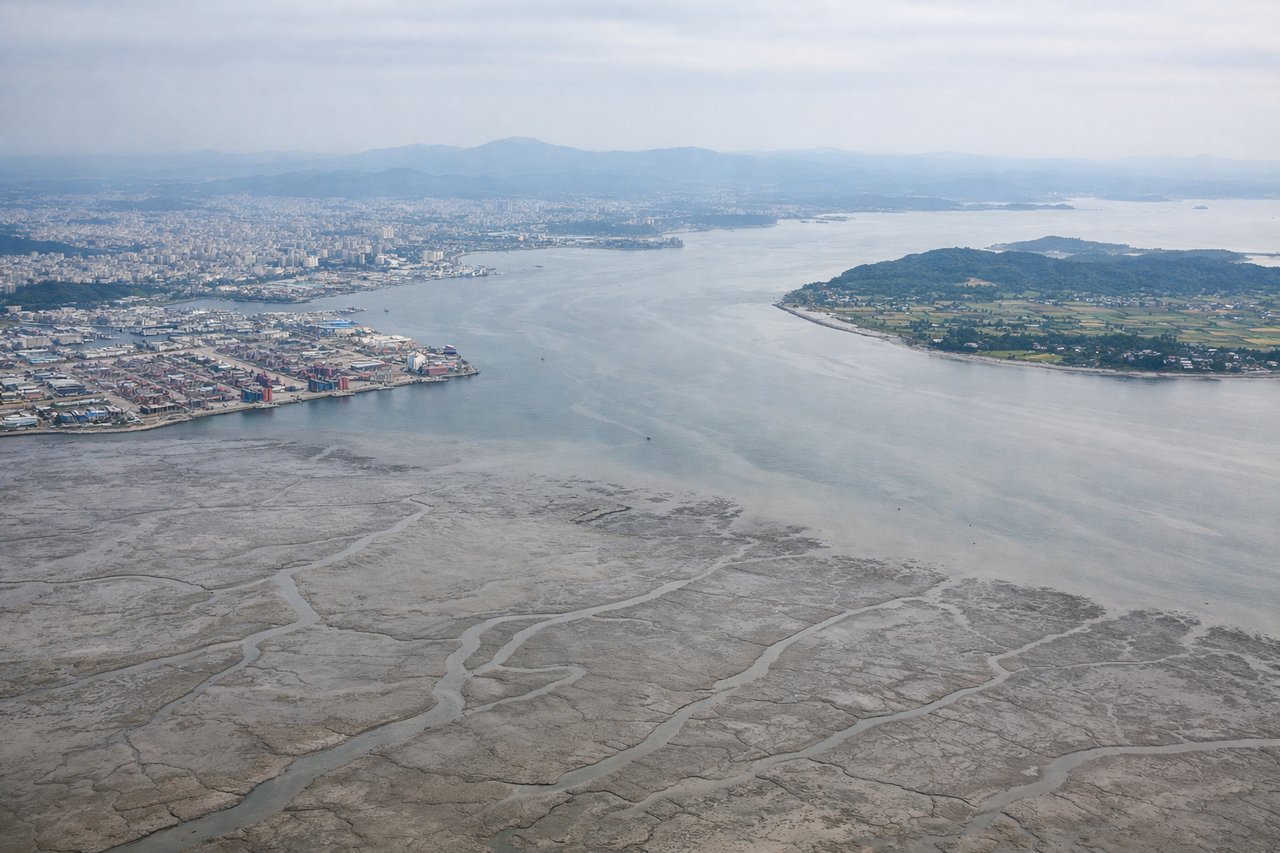
Takeoff from ICN
LEFTDeparting ICN to the southeast before turning north-northwest toward Mongolia/Russia, the left side gives a good look back at Incheon's coastline and, briefly, the Seoul metropolitan skyline and Han River basin framed by the granite peaks of Bukhansan. The right side only shows the flat, hazy Yellow Sea and scattered mudflat islands.
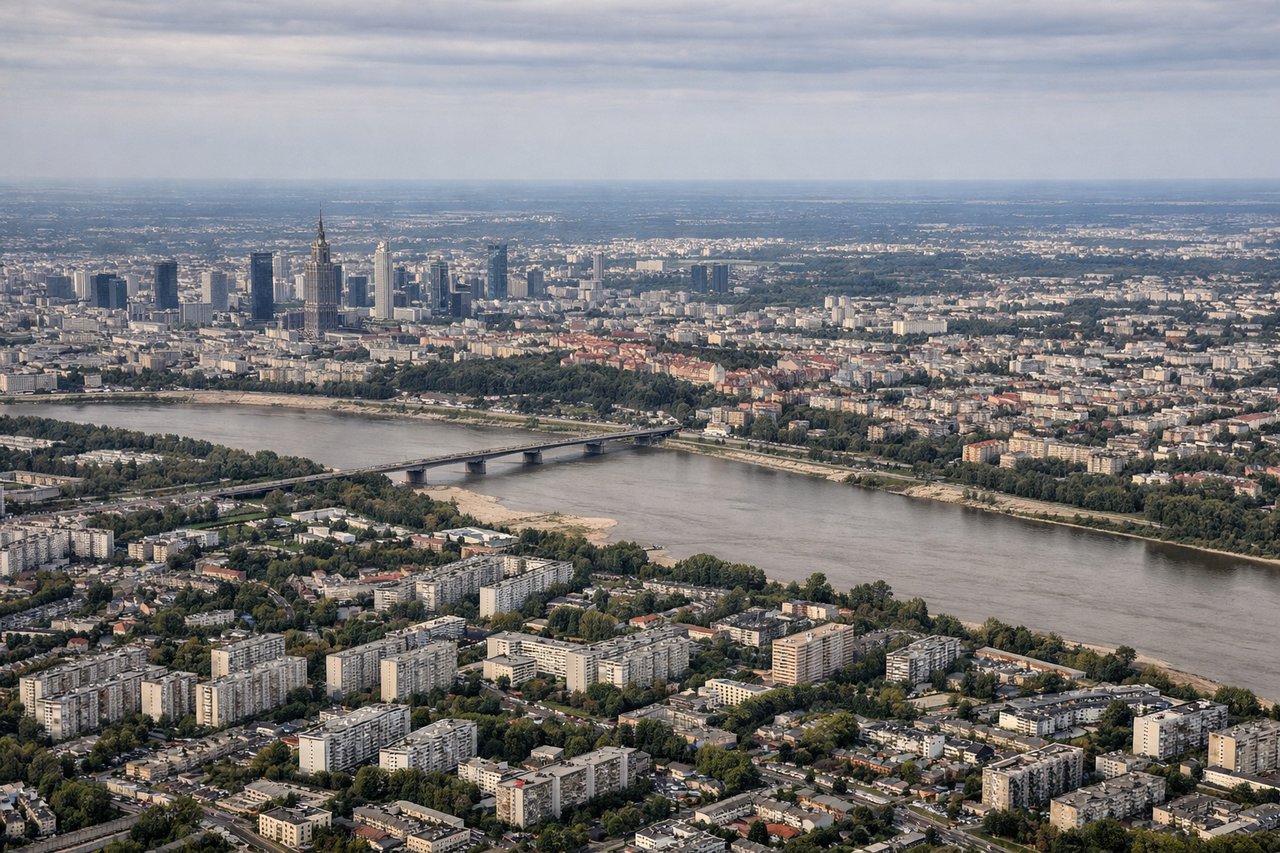
Landing at WAW
LEFTOn the descent into WAW from the east, the aircraft crosses the broad floodplain of the Vistula River before curving toward runway 29; the left side keeps Warsaw's city center, the river bends, and the Palace of Culture area in view, while the right side faces mostly flat farmland with little to distinguish it.
Will your flight be in sunlight?
See exactly which side of the plane gets sun and shade at your departure time.
About This Route
Which side of the plane should I sit on flying from Incheon International (ICN) to Okecie (WAW)?
Sit on the Left side of the plane for the best views on flights from Seoul to Warsaw. The left side wins on both ends of the flight — Seoul's skyline and mountains at departure, and Warsaw's river and city center on arrival — while the right side is dominated by featureless sea and farmland with little variation.
What can I see during takeoff from Incheon International in Seoul?
During takeoff from Incheon International (ICN), sit on the Left side for the best views. Departing ICN to the southeast before turning north-northwest toward Mongolia/Russia, the left side gives a good look back at Incheon's coastline and, briefly, the Seoul metropolitan skyline and Han River basin framed by the granite peaks of Bukhansan. The right side only shows the flat, hazy Yellow Sea and scattered mudflat islands. Notable sights include: Incheon coastline and tidal flats, Han River and Seoul skyline, Bukhansan granite peaks, Yellow Sea islands (right side, less distinct).
What can I see when landing at Okecie in Warsaw?
When landing at Okecie (WAW), sit on the Left side for the best views. On the descent into WAW from the east, the aircraft crosses the broad floodplain of the Vistula River before curving toward runway 29; the left side keeps Warsaw's city center, the river bends, and the Palace of Culture area in view, while the right side faces mostly flat farmland with little to distinguish it. Notable sights include: Vistula River bends, Warsaw city skyline (Palace of Culture area), flat Masovian farmland, Okecie airport perimeter on final approach.
How long is the flight from Seoul to Warsaw?
The flight from Incheon International (ICN) to Okecie (WAW) takes 10h 45m.
What does the Seoul to Warsaw flight path pass over?
Southern Siberian taiga and steppe near Novosibirsk, the Ob River, and the low, rounded ridgelines of the Ural Mountains marking the Asia-Europe boundary