The left side gets the rare bonus of southern Greenland's icecap and fjord coastline during the long cruise segment, plus a good view of central Amsterdam on final approach, which together outweigh the right side's strong but brief Vancouver mountain departure.
Flight Path
Hudson Bay and the mountainous terrain of Baffin Island, Davis Strait, the icecap and fjord coastline of southern Greenland, and the North Sea approach toward the Netherlands.
Great circle distance and headings ›
.jpg?width=600)


Phase by phase
Takeoff from YVR
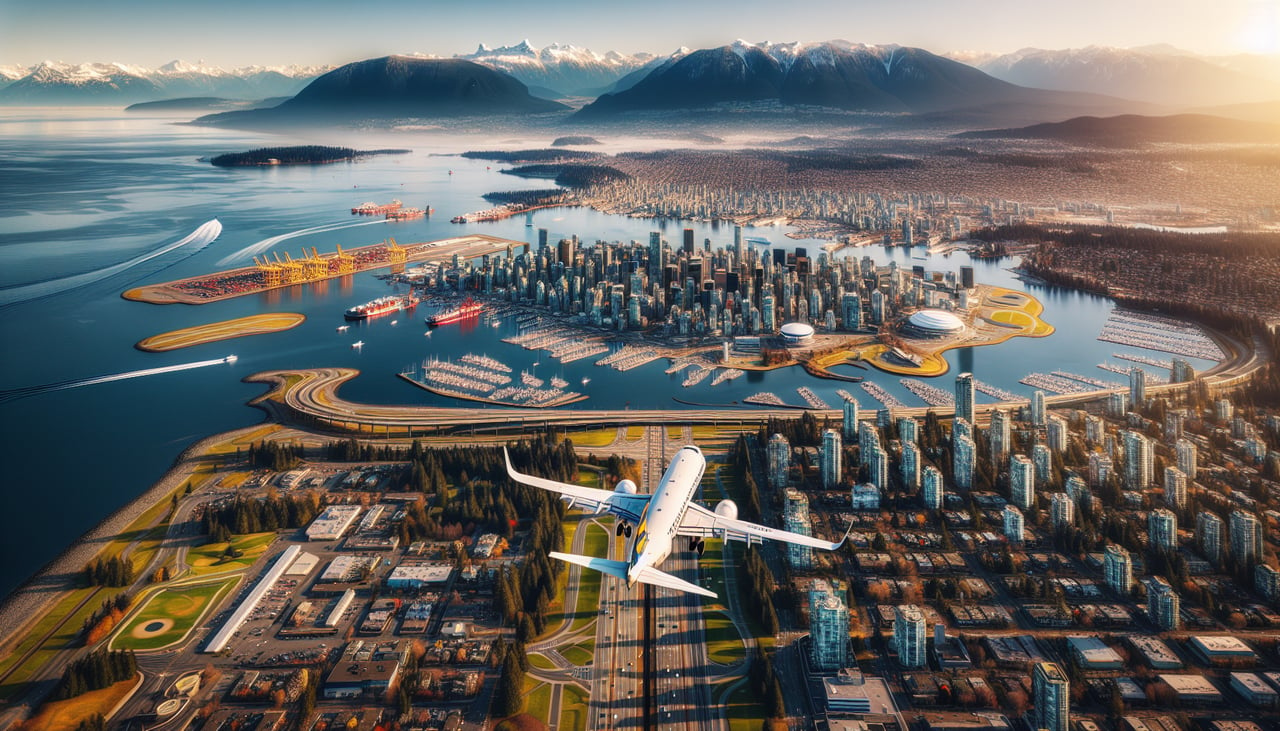
RIGHTRunway 26 sends the jet west over English Bay before it banks right onto its northeast-bound course toward Europe, swinging the right side of the cabin past downtown Vancouver and up along the North Shore Mountains rising sharply behind Burrard Inlet.
Landing at AMS
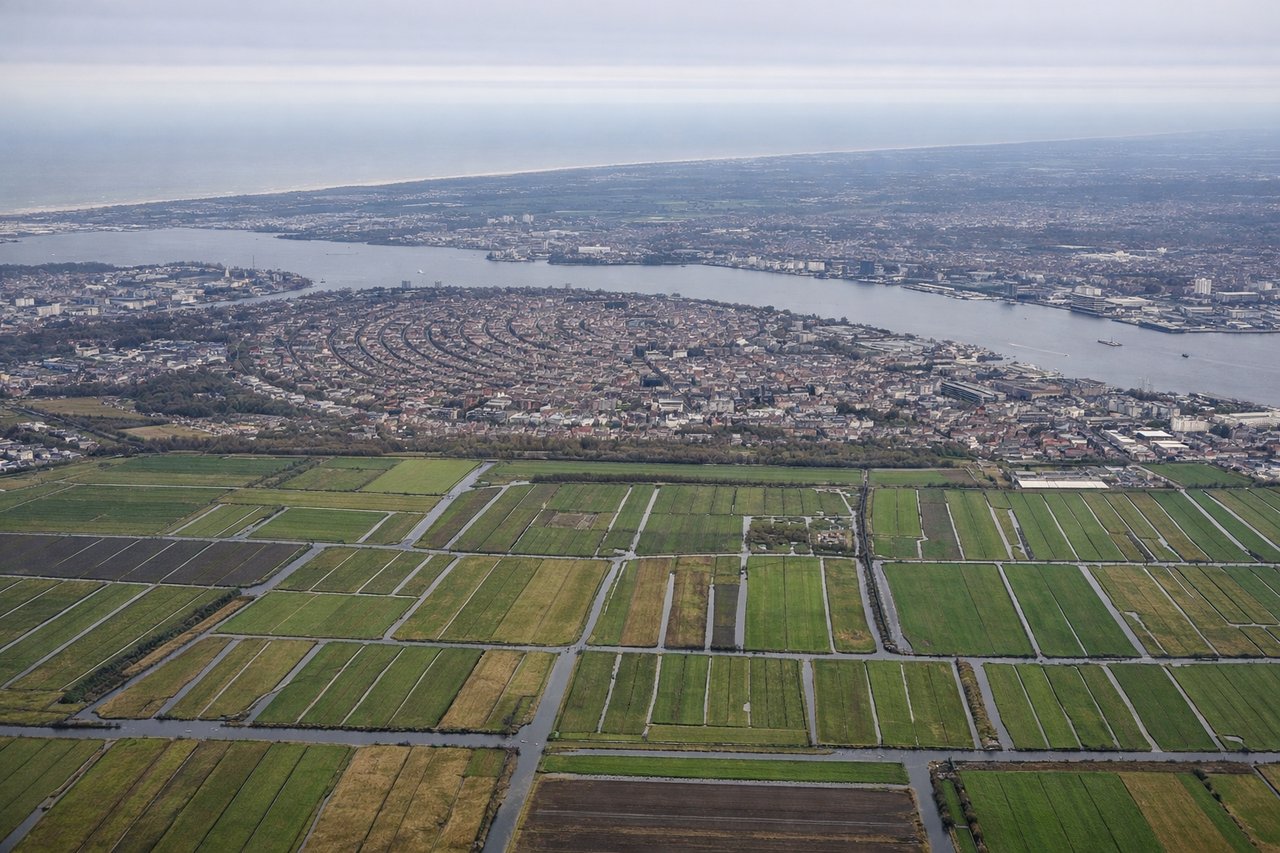
LEFTArrivals into Schiphol typically track south from the North Sea toward the Zwanenburgbaan, and on that heading the left side faces east, giving a clear look at central Amsterdam's canal ring and IJ waterfront before the aircraft crosses the flat polder farmland on final approach.
Landmarks on this routeAll landmarks →
Will your flight be in sunlight?
See exactly which side of the plane gets sun and shade at your departure time.
About This Route
Which side of the plane should I sit on flying from Vancouver International (YVR) to Schiphol (AMS)?
Sit on the Left side of the plane for the best views on flights from Vancouver to Amsterdam. The left side gets the rare bonus of southern Greenland's icecap and fjord coastline during the long cruise segment, plus a good view of central Amsterdam on final approach, which together outweigh the right side's strong but brief Vancouver mountain departure.
What can I see during takeoff from Vancouver International in Vancouver?
During takeoff from Vancouver International (YVR), sit on the Right side for the best views. Runway 26 sends the jet west over English Bay before it banks right onto its northeast-bound course toward Europe, swinging the right side of the cabin past downtown Vancouver and up along the North Shore Mountains rising sharply behind Burrard Inlet. Notable sights include: North Shore Mountains (Grouse, Seymour, Cypress), downtown Vancouver skyline, Burrard Inlet, Strait of Georgia.
What can I see when landing at Schiphol in Amsterdam?
When landing at Schiphol (AMS), sit on the Left side for the best views. Arrivals into Schiphol typically track south from the North Sea toward the Zwanenburgbaan, and on that heading the left side faces east, giving a clear look at central Amsterdam's canal ring and IJ waterfront before the aircraft crosses the flat polder farmland on final approach. Notable sights include: Amsterdam city center and canal ring, IJ river and Amsterdam-Noord, IJsselmeer in the distance, Dutch polder farmland.
How long is the flight from Vancouver to Amsterdam?
The flight from Vancouver International (YVR) to Schiphol (AMS) takes 9h 25m.
What does the Vancouver to Amsterdam flight path pass over?
Hudson Bay and the mountainous terrain of Baffin Island, Davis Strait, the icecap and fjord coastline of southern Greenland, and the North Sea approach toward the Netherlands.