While the takeoff offers dramatic mountain scenery on the left, the landing approach on the right provides more sustained visual interest over a longer period—the tropical landscape, urban sprawl, and iconic Kuala Lumpur skyline make the descent more rewarding than the brief climb-out views.
Flown YVR to KUL? Did we get it right?
Flight Path
Vancouver to Kuala Lumpur is 7,961 miles (12,812 km), a flight of about 16 hours.
The flight path crosses the Pacific coast of British Columbia, then proceeds over open ocean and the northern Pacific. Over the South China Sea, you may see the Philippines (Luzon) if routed southerly, or pass north of it. The descent into Malaysia crosses over Peninsular Malaysia's interior—dense tropical rainforest, scattered towns, and the Klang Valley approaching Kuala Lumpur. The actual routing depends on winds and air traffic control, but the most scenic segments are the takeoff (mountains) and landing (tropical landscape and urban development).
Great circle distance and headings ›


Phase by phase
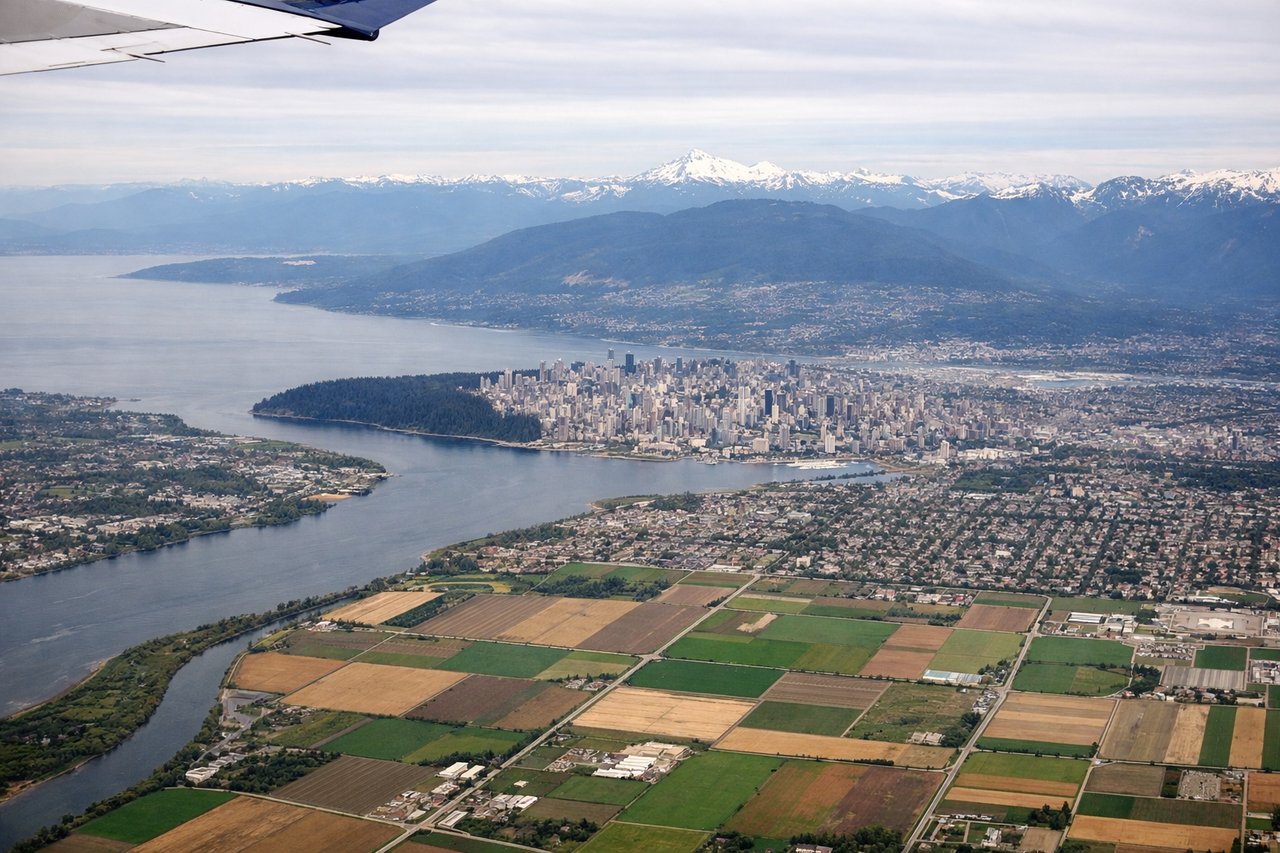
Takeoff from YVR
LEFTLeft-side seats offer views of the North Shore Mountains and Burrard Inlet as the aircraft climbs northwestward over water. You'll see the dramatic peaks and the coastal geography that defines Vancouver's setting.
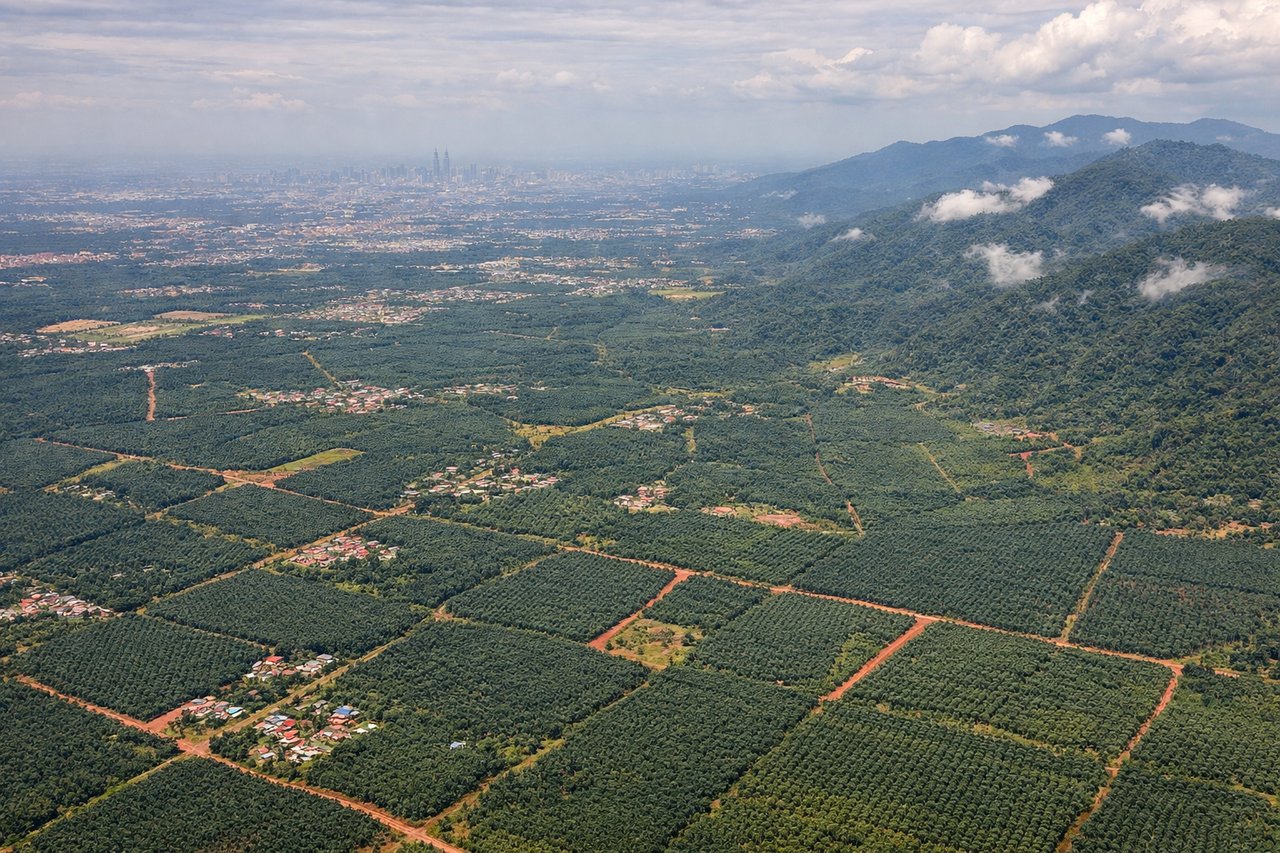
Landing at KUL
RIGHTRight-side seats provide excellent views during the descent approach into Kuala Lumpur. You'll see the Klang Valley, the Petronas Twin Towers and downtown Kuala Lumpur skyline, and the surrounding palm oil plantations and tropical landscape as you descend toward the airport.
Will your flight be in sunlight?
Pick a date and time in the Sun Map to watch the sun move across your whole flight.
About This Route
Which side of the plane should I sit on flying from Vancouver International (YVR) to Kuala Lumpur International (KUL)?
Sit on the Right side of the plane for the best views on flights from Vancouver to Kuala Lumpur. While the takeoff offers dramatic mountain scenery on the left, the landing approach on the right provides more sustained visual interest over a longer period—the tropical landscape, urban sprawl, and iconic Kuala Lumpur skyline make the descent more rewarding than the brief climb-out views.
What can I see during takeoff from Vancouver International in Vancouver?
During takeoff from Vancouver International (YVR), sit on the Left side for the best views. Left-side seats offer views of the North Shore Mountains and Burrard Inlet as the aircraft climbs northwestward over water. You'll see the dramatic peaks and the coastal geography that defines Vancouver's setting. Notable sights include: North Shore Mountains, Burrard Inlet, Strait of Georgia, Vancouver Island (distant).
What can I see when landing at Kuala Lumpur International in Kuala Lumpur?
When landing at Kuala Lumpur International (KUL), sit on the Right side for the best views. Right-side seats provide excellent views during the descent approach into Kuala Lumpur. You'll see the Klang Valley, the Petronas Twin Towers and downtown Kuala Lumpur skyline, and the surrounding palm oil plantations and tropical landscape as you descend toward the airport. Notable sights include: Klang Valley urban sprawl, Petronas Twin Towers and KL skyline, Selangor River, tropical plantation landscape.
How long is the flight from Vancouver to Kuala Lumpur?
The flight from Vancouver International (YVR) to Kuala Lumpur International (KUL) takes about 16 hours. The shortest flight path between them is 7,961 miles (12,812 km); winds and air traffic control usually add a few percent.
What does the Vancouver to Kuala Lumpur flight path pass over?
The flight path crosses the Pacific coast of British Columbia, then proceeds over open ocean and the northern Pacific. Over the South China Sea, you may see the Philippines (Luzon) if routed southerly, or pass north of it. The descent into Malaysia crosses over Peninsular Malaysia's interior—dense tropical rainforest, scattered towns, and the Klang Valley approaching Kuala Lumpur. The actual routing depends on winds and air traffic control, but the most scenic segments are the takeoff (mountains) and landing (tropical landscape and urban development).