Mauna Kea volcano, Hilo Bay and Hilo Harbor, Saddle Road corridor between Mauna Kea and Mauna Loa
Mauna Kea (13, 796 ft, visible as a distant peak on the horizon)
🛫 Taking Off from Hilo (ITO)
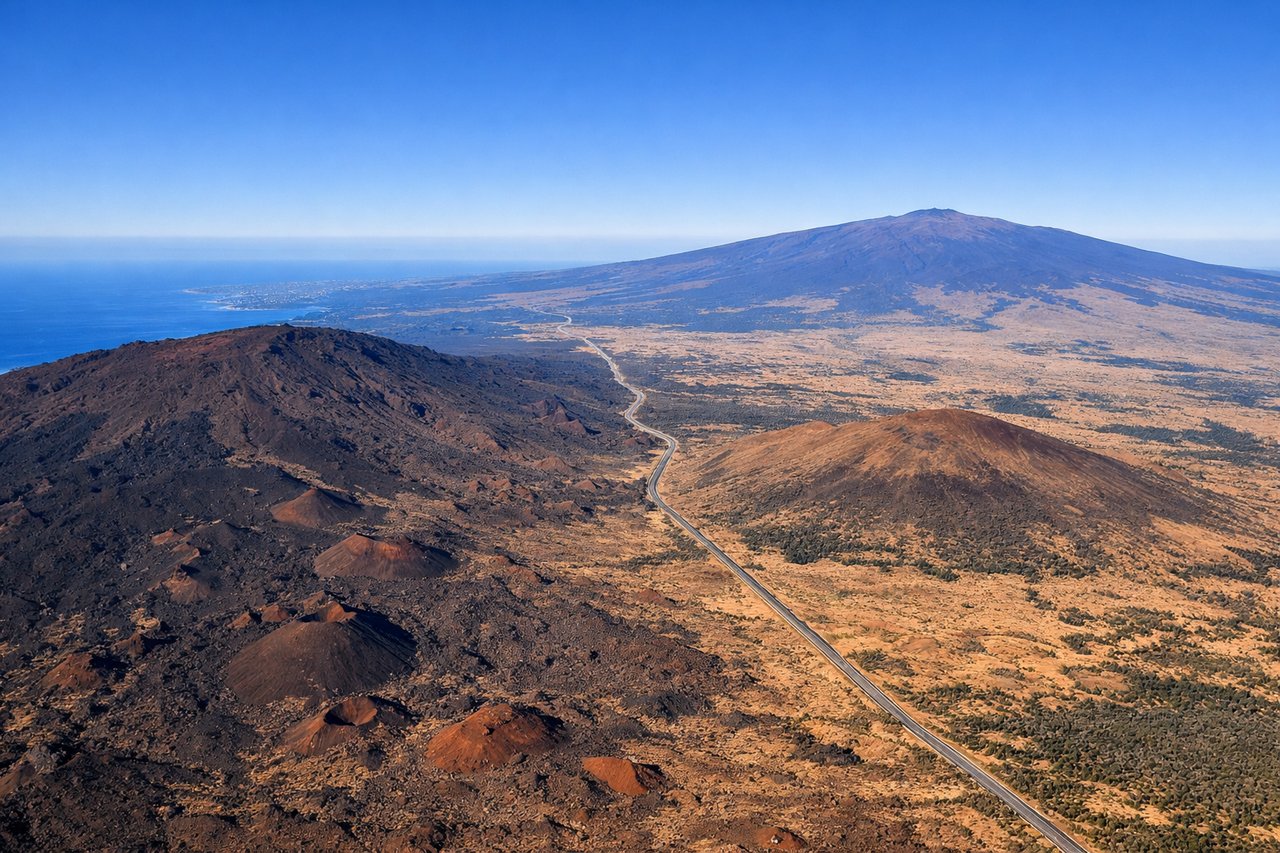 Right Side
🛬 Landing at Hilo (ITO)
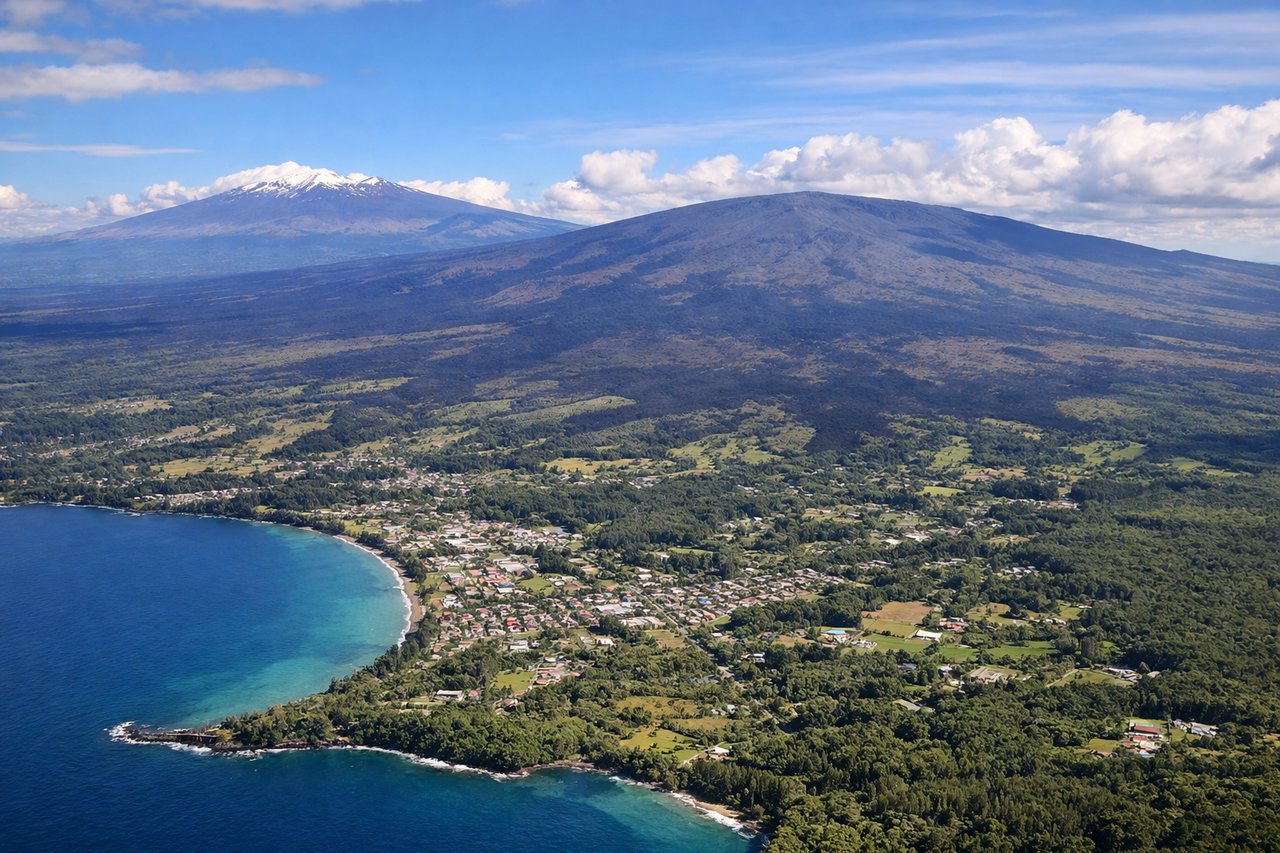 Left Side
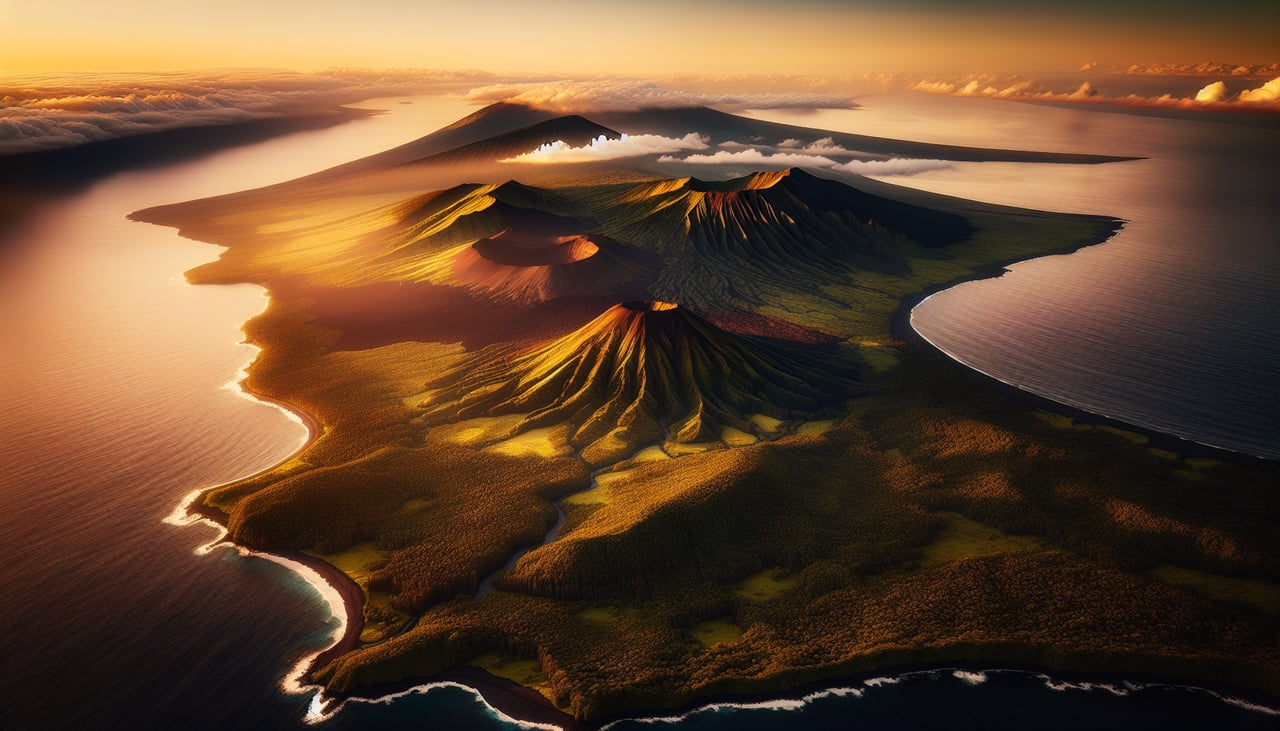 Right Side
Hilo International has a single small terminal handling both inter-island and limited overseas flights, with its long 08/26 runway able to accommodate wide-body aircraft despite the airport's modest size.
Landmarks on routes from HiloAll landmarks →
Connecting at ITO?
Find out if your layover is long enough at Hilo International.
Check layover times →Popular Routes from Hilo International (ITO)
About This Airport
Which side of the plane has the best views at Hilo International (ITO)?
At Hilo International in Hilo: for takeoff, sit on the Right side; for landing, sit on the Right side. Notable views include: Mauna Kea volcano (snow-capped in winter), Hilo Bay and Hilo Harbor, Saddle Road corridor between Mauna Kea and Mauna Loa, lush green windward slopes of the Big Island.
What can I see during takeoff from Hilo International in Hilo?
When taking off from Hilo International (ITO), sit on the Right side for the best views. Runway 08 departures head east-northeast from Hilo, placing Mauna Kea (13,796 ft) and the broader Big Island volcanic landscape on your right side during initial climb. The right side also offers views of the Hilo Bay coastline and the transition from lush windward slopes to the drier leeward terrain as you gain altitude. Notable sights include: Mauna Kea volcano (snow-capped in winter), Hilo Bay and Hilo Harbor, Saddle Road corridor between Mauna Kea and Mauna Loa, lush green windward slopes of the Big Island.
What can I see when landing at Hilo International in Hilo?
When landing at Hilo International (ITO), sit on the Right side for the best views. Landing on Runway 26 (heading west) positions the right side of the aircraft toward the Big Island's windward (eastern) slopes and the Mauna Kea massif. You'll see the dramatic topography and volcanic landscape that defines this approach, whereas the left side faces the open Pacific. Notable sights include: Mauna Kea (13,796 ft, visible as a distant peak on the horizon), Mauna Loa's northern flank, Hilo Bay and coastal settlement, Saddle Road corridor between the two shield volcanoes.
What factors affect the best window seat at Hilo International?
The best window seat at Hilo International (ITO) depends on several factors: the typical runway used for your departure or arrival, the geographic features around Hilo (mountains, coastlines, city skylines), weather conditions, and time of day. Morning and evening flights often offer the best lighting for scenic views.