Tokyo to San Francisco is 5,112 miles (8,227 km), a flight of about 9 hours 35 minutes.
The left side wins out thanks to a stronger cruise segment past the Gulf of Alaska coastline and the snow-capped Cascade volcanoes, plus sweeping bay-and-skyline views on final approach into SFO, whereas the right side's only real highlight is a possible Fuji sighting at departure.
Flight Path
The route's midpoint lies over the open North Pacific well south of the Aleutian Islands, with the Gulf of Alaska and the Kamchatka Peninsula the nearest, though distant, landmasses before the flight path curves toward the Pacific Northwest coast.
Great circle distance and headings ›Phase by phase
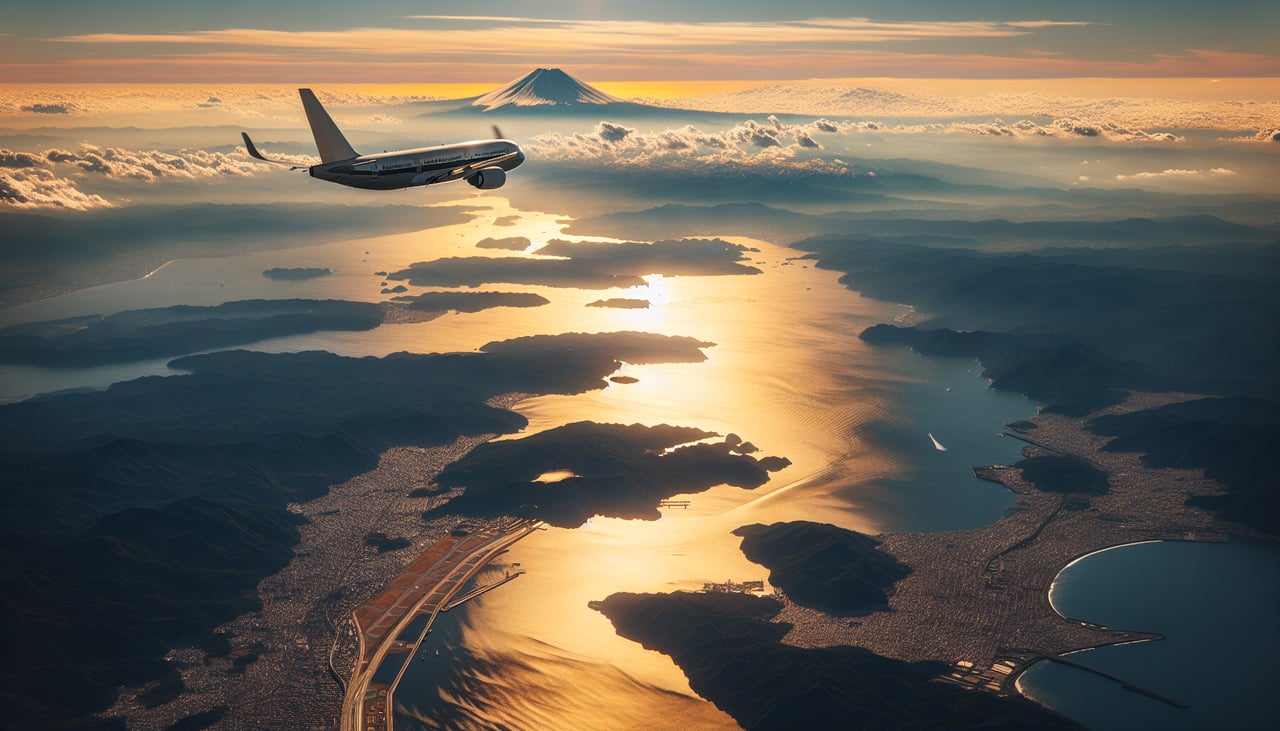
Takeoff from NRT
RIGHTDeparting Narita, the right side offers a chance to spot Mount Fuji far to the southwest on clear days, along with Tokyo Bay's shipping lanes and the Boso Peninsula coastline below. The left side mostly shows the flatter Ibaraki countryside and open Pacific with no major landmarks.
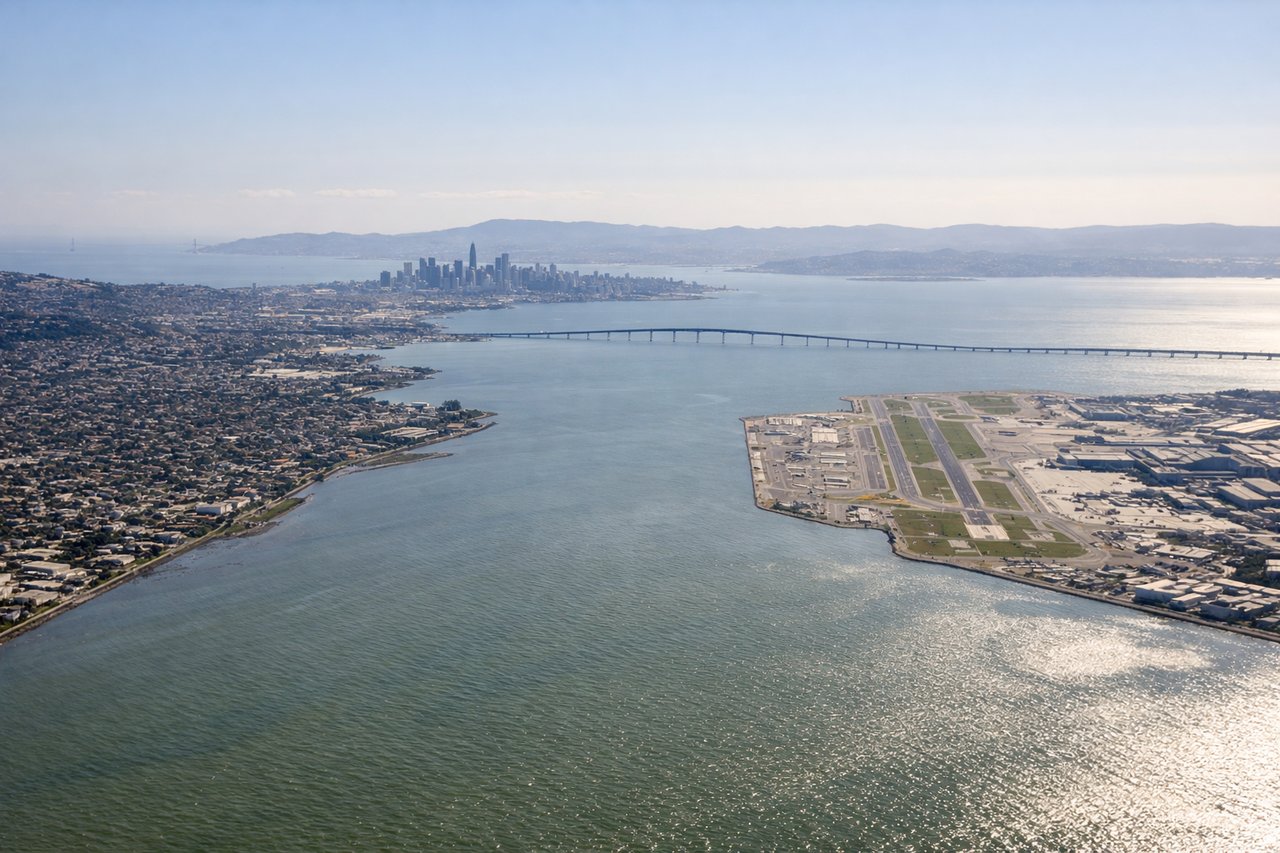
Landing at SFO
LEFTArriving from the north along the California coast, the left side captures San Francisco Bay, the city's skyline, and the Golden Gate Bridge during the descent and turn toward the airport, while the right side shows only the open Pacific and the bluffs near Pacifica.
Landmarks on this routeAll landmarks →
Will your flight be in sunlight?
Pick a date and time in the Sun Map to watch the sun move across your whole flight.
About This Route
Which side of the plane should I sit on flying from New Tokyo International (NRT) to San Francisco International (SFO)?
Sit on the Left side of the plane for the best views on flights from Tokyo to San Francisco. The left side wins out thanks to a stronger cruise segment past the Gulf of Alaska coastline and the snow-capped Cascade volcanoes, plus sweeping bay-and-skyline views on final approach into SFO, whereas the right side's only real highlight is a possible Fuji sighting at departure.
What can I see during takeoff from New Tokyo International in Tokyo?
During takeoff from New Tokyo International (NRT), sit on the Right side for the best views. Departing Narita, the right side offers a chance to spot Mount Fuji far to the southwest on clear days, along with Tokyo Bay's shipping lanes and the Boso Peninsula coastline below. The left side mostly shows the flatter Ibaraki countryside and open Pacific with no major landmarks. Notable sights include: Mount Fuji (distant), Tokyo Bay, Boso Peninsula coastline, Pacific shoreline of Chiba.
What can I see when landing at San Francisco International in San Francisco?
When landing at San Francisco International (SFO), sit on the Left side for the best views. Arriving from the north along the California coast, the left side captures San Francisco Bay, the city's skyline, and the Golden Gate Bridge during the descent and turn toward the airport, while the right side shows only the open Pacific and the bluffs near Pacifica. Notable sights include: Golden Gate Bridge, San Francisco skyline, San Francisco Bay, Bay Bridge and Oakland shoreline.
How long is the flight from Tokyo to San Francisco?
The flight from New Tokyo International (NRT) to San Francisco International (SFO) takes about 9 hours 35 minutes. The shortest flight path between them is 5,112 miles (8,227 km); winds and air traffic control usually add a few percent.
What does the Tokyo to San Francisco flight path pass over?
The route's midpoint lies over the open North Pacific well south of the Aleutian Islands, with the Gulf of Alaska and the Kamchatka Peninsula the nearest, though distant, landmasses before the flight path curves toward the Pacific Northwest coast.