Left side wins at both ends of the flight. During the long polar-adjacent routing over Russia and Eastern Europe, the left side also tends to face south, offering better light angles and occasional views of the Ural Mountains and Siberian river systems. Consistent advantage throughout makes left the clear overall pick.
Flown NRT to WAW? Did we get it right?
Flight Path
Tokyo to Warsaw is 5,352 miles (8,613 km), a flight of about 11 hours 30 minutes.
The route tracks northwest from Japan across the Sea of Japan, over Sakhalin Island, then across the vast Siberian taiga and the West Siberian Plain. The Ural Mountains appear as a low, broad ridge marking the Europe-Asia boundary. The route then crosses over Russia's Volga basin, Belarus, and into Poland. Dominant features are the enormous Siberian river systems (Ob, Irtysh tributaries visible as dark ribbons through snow or taiga), the Urals as a subtle wrinkled ridge on the horizon, and the transition from boreal forest to the open agricultural plains of Eastern Europe.
Great circle distance and headings ›

Phase by phase
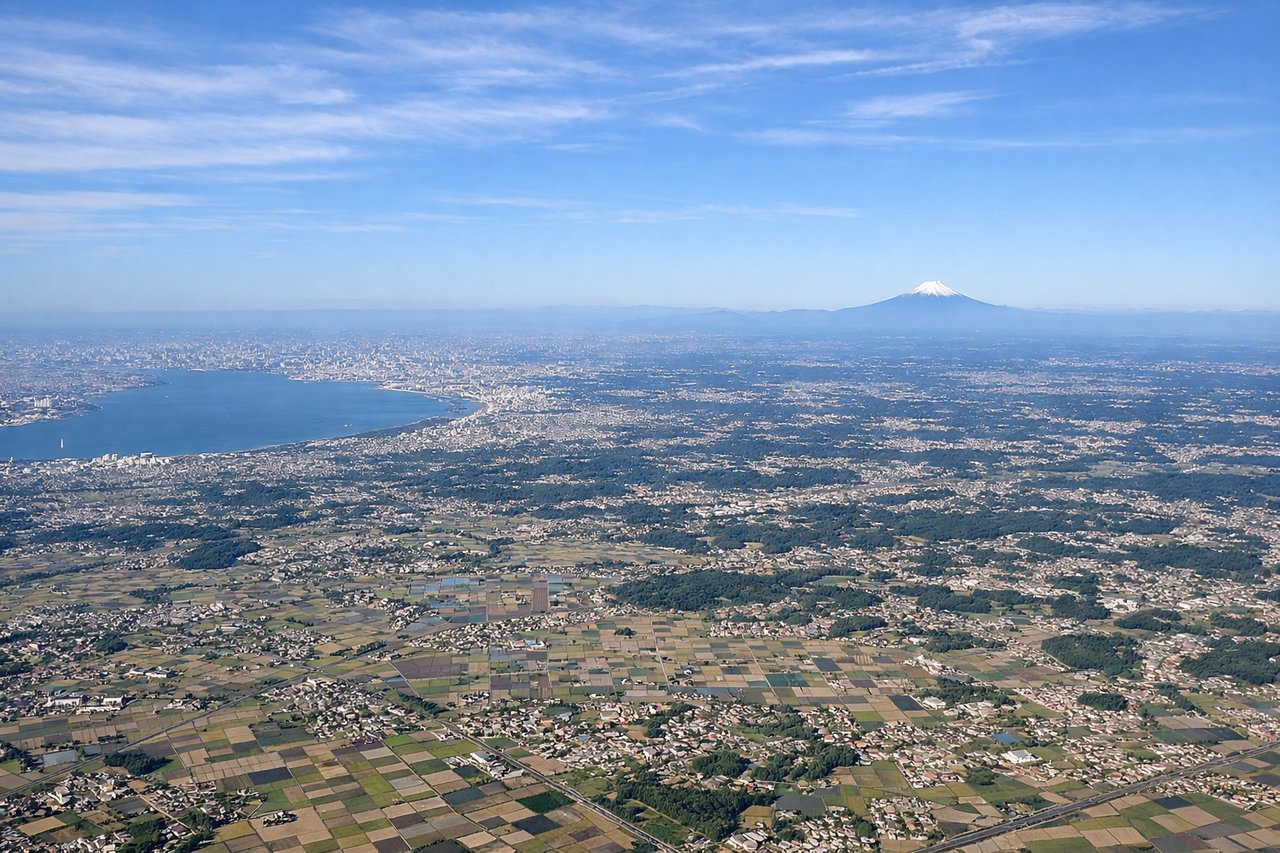
Takeoff from NRT
LEFTNRT typically departs on runway 16R/34L or 16L/34R. Northbound departures heading toward Europe climb out over the Kanto Plain and bank left, giving left-side passengers a clear view of Tokyo Bay and the urban sprawl of Greater Tokyo. On a clear day, Mount Fuji appears to the southwest as a distinctive snow-capped cone rising above the Kanto Plain.
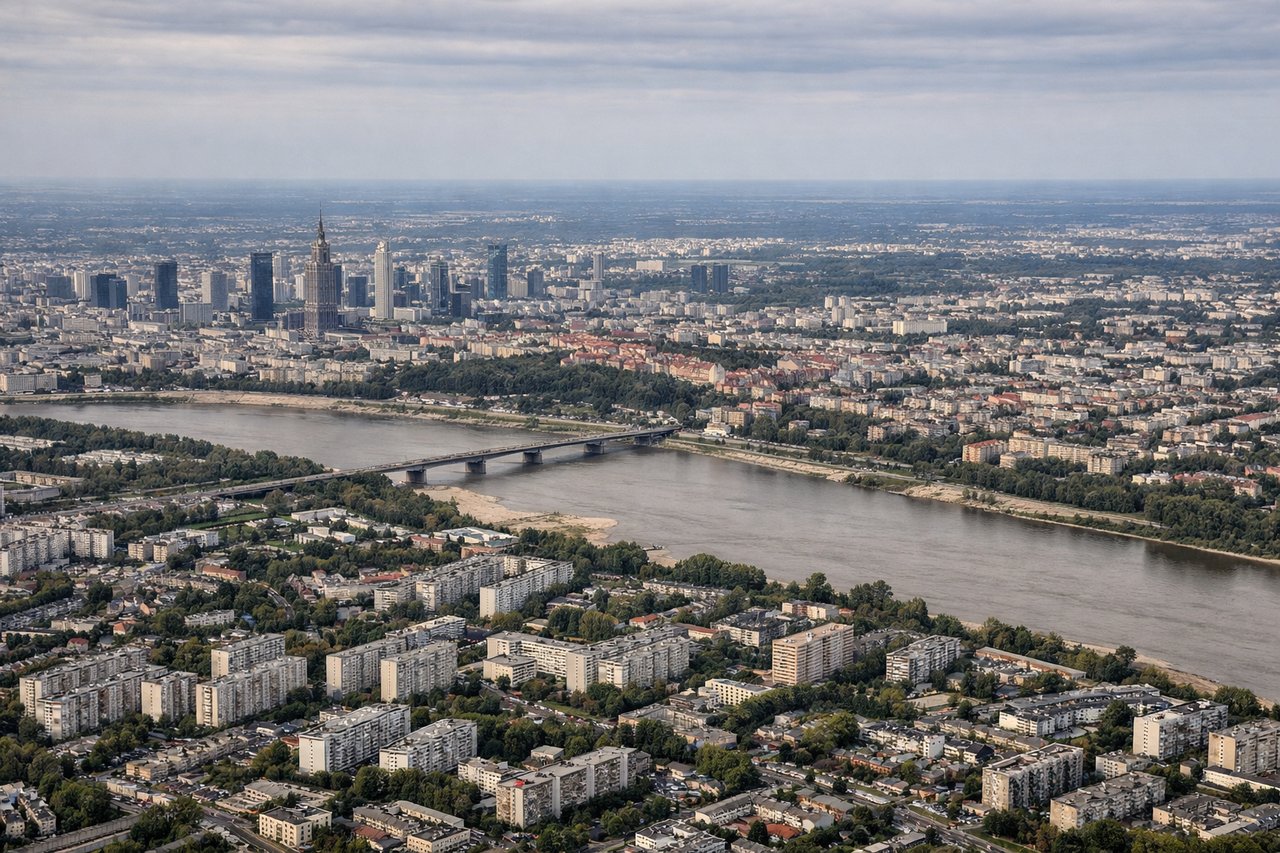
Landing at WAW
LEFTWarsaw Okecie typically receives arrivals from the east or northeast on runway 33, meaning the aircraft approaches from the southeast. Left-side passengers get a view over central Warsaw, including the Vistula River snaking through the city and the Old Town area on its western bank. The right side faces suburban and rural areas south of the city.
Will your flight be in sunlight?
Pick a date and time in the Sun Map to watch the sun move across your whole flight.
About This Route
Which side of the plane should I sit on flying from New Tokyo International (NRT) to Okecie (WAW)?
Sit on the Left side of the plane for the best views on flights from Tokyo to Warsaw. Left side wins at both ends of the flight. During the long polar-adjacent routing over Russia and Eastern Europe, the left side also tends to face south, offering better light angles and occasional views of the Ural Mountains and Siberian river systems. Consistent advantage throughout makes left the clear overall pick.
What can I see during takeoff from New Tokyo International in Tokyo?
During takeoff from New Tokyo International (NRT), sit on the Left side for the best views. NRT typically departs on runway 16R/34L or 16L/34R. Northbound departures heading toward Europe climb out over the Kanto Plain and bank left, giving left-side passengers a clear view of Tokyo Bay and the urban sprawl of Greater Tokyo. On a clear day, Mount Fuji appears to the southwest as a distinctive snow-capped cone rising above the Kanto Plain. Notable sights include: Tokyo Bay, Mount Fuji (southwest, ~100km distant), Greater Tokyo urban grid, Chiba coastal lowlands.
What can I see when landing at Okecie in Warsaw?
When landing at Okecie (WAW), sit on the Left side for the best views. Warsaw Okecie typically receives arrivals from the east or northeast on runway 33, meaning the aircraft approaches from the southeast. Left-side passengers get a view over central Warsaw, including the Vistula River snaking through the city and the Old Town area on its western bank. The right side faces suburban and rural areas south of the city. Notable sights include: Vistula River through Warsaw, Warsaw city center skyline, Old Town district on Vistula's left bank, Praga district on the right bank.
How long is the flight from Tokyo to Warsaw?
The flight from New Tokyo International (NRT) to Okecie (WAW) takes about 11 hours 30 minutes. The shortest flight path between them is 5,352 miles (8,613 km); winds and air traffic control usually add a few percent.
What does the Tokyo to Warsaw flight path pass over?
The route tracks northwest from Japan across the Sea of Japan, over Sakhalin Island, then across the vast Siberian taiga and the West Siberian Plain. The Ural Mountains appear as a low, broad ridge marking the Europe-Asia boundary. The route then crosses over Russia's Volga basin, Belarus, and into Poland. Dominant features are the enormous Siberian river systems (Ob, Irtysh tributaries visible as dark ribbons through snow or taiga), the Urals as a subtle wrinkled ridge on the horizon, and the transition from boreal forest to the open agricultural plains of Eastern Europe.