While left wins on departure, the landing view from the right side is more dramatic and geographically distinctive. Iceland's volcanic terrain is far more visually striking than Vancouver's departure, and the Reykjanes approach offers genuine geological interest that outweighs the North Shore Mountains on takeoff.
Flight Path
The flight path crosses the northern Pacific Ocean at high latitude. Midway, you'll be over open ocean roughly 1,000 miles northwest of the Aleutian Islands (not visible). As you approach Iceland, the Greenland Sea comes into view, with occasional icebergs visible in summer months. The approach to KEF brings you over the North Atlantic with the Reykjanes Peninsula's volcanic geology becoming increasingly prominent in the final 30 minutes of descent.
Great circle distance and headings ›
.jpg?width=600)


Phase by phase
Takeoff from YVR
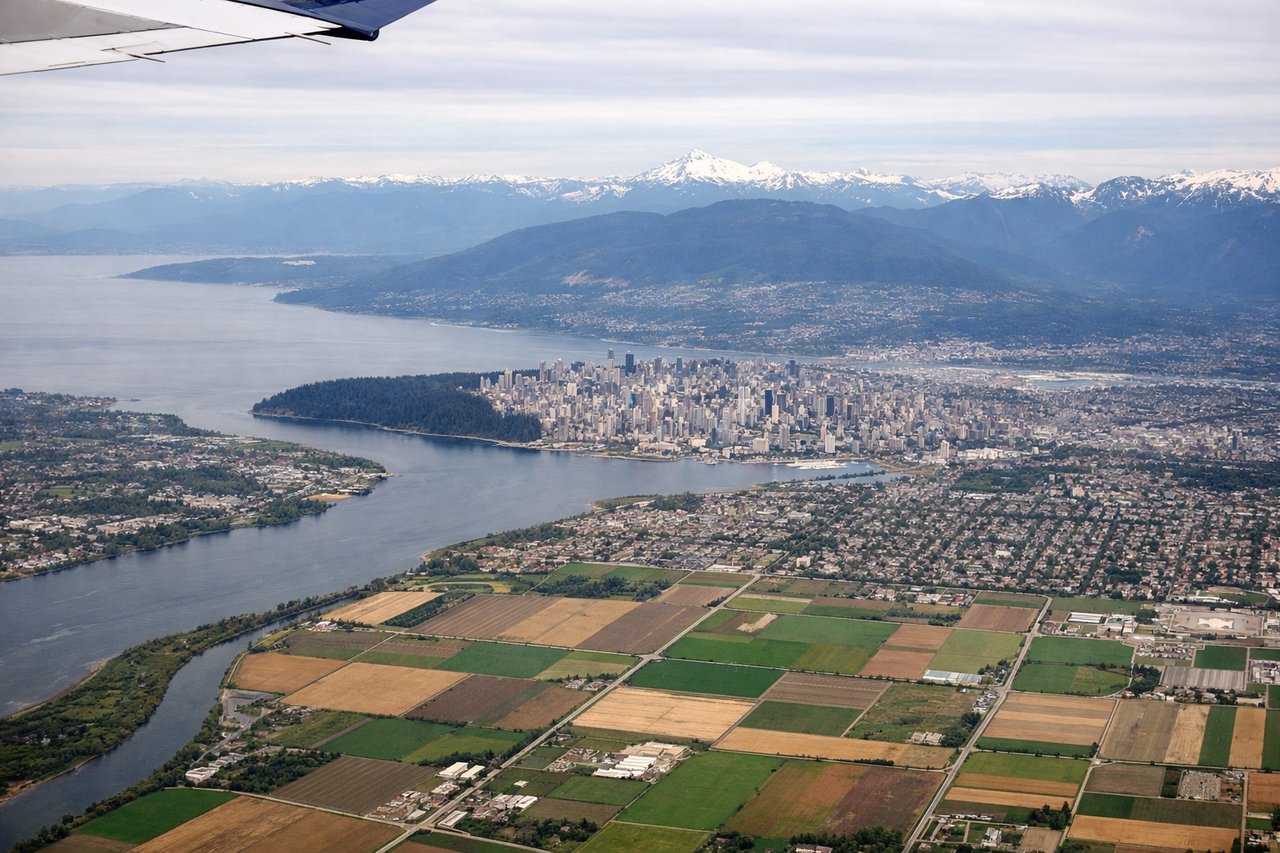
LEFTYVR typically departs runways 26L/26R (westbound) or 08L/08R (eastbound). Westbound departures on 26L offer the best window views. Left-side seats will show the North Shore Mountains and Burrard Inlet as you climb, with the Strait of Georgia opening beneath you.
Landing at KEF
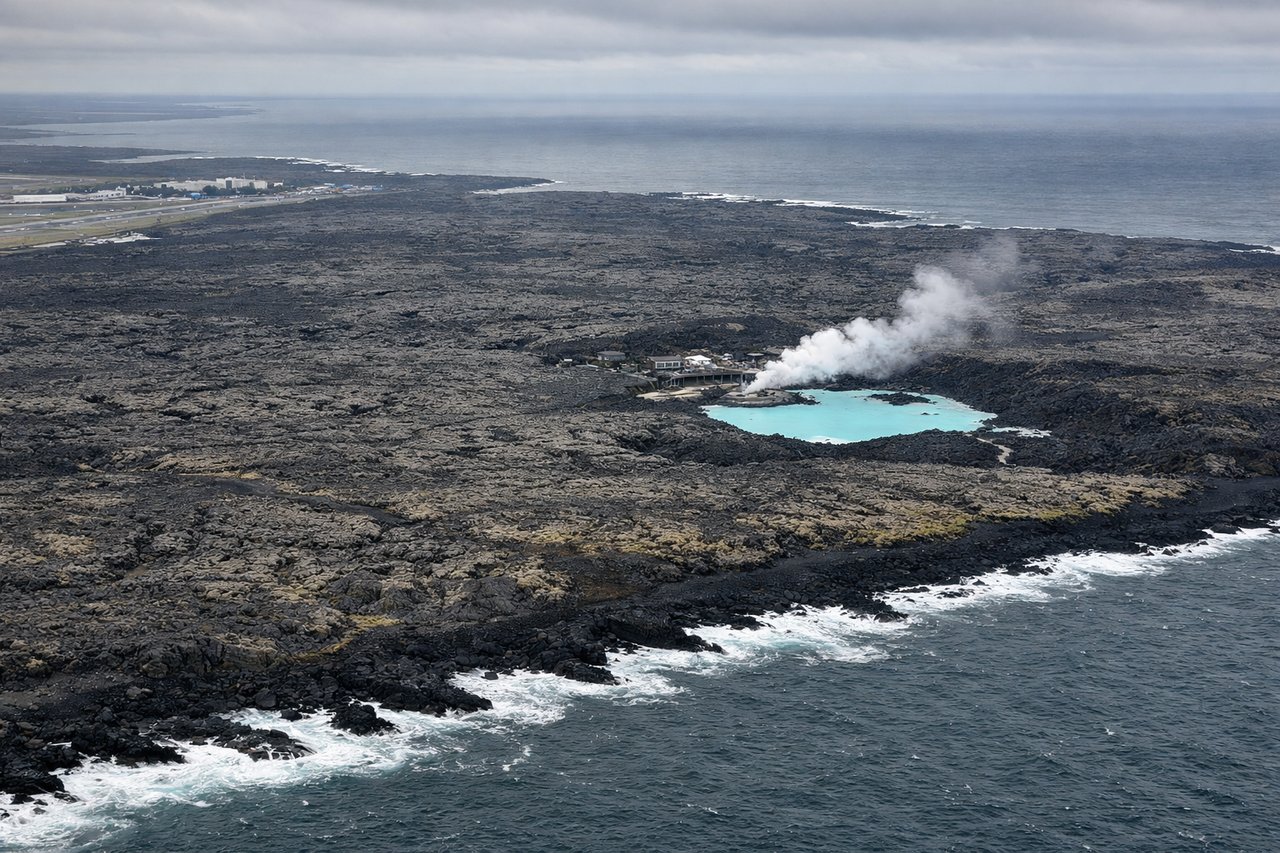
RIGHTKEF uses runways 02/20 (north-south orientation). Approaches typically come from the south or southwest. Right-side seats during descent will show Iceland's dramatic volcanic landscape—the Reykjanes Peninsula's lava fields and geothermal features are striking from altitude and sit directly on the approach path.
Landmarks on this routeAll landmarks →
Will your flight be in sunlight?
See exactly which side of the plane gets sun and shade at your departure time.
About This Route
Which side of the plane should I sit on flying from Vancouver International (YVR) to Keflavik Nas (KEF)?
Sit on the Right side of the plane for the best views on flights from Vancouver to Keflavik. While left wins on departure, the landing view from the right side is more dramatic and geographically distinctive. Iceland's volcanic terrain is far more visually striking than Vancouver's departure, and the Reykjanes approach offers genuine geological interest that outweighs the North Shore Mountains on takeoff.
What can I see during takeoff from Vancouver International in Vancouver?
During takeoff from Vancouver International (YVR), sit on the Left side for the best views. YVR typically departs runways 26L/26R (westbound) or 08L/08R (eastbound). Westbound departures on 26L offer the best window views. Left-side seats will show the North Shore Mountains and Burrard Inlet as you climb, with the Strait of Georgia opening beneath you. Notable sights include: North Shore Mountains (Grouse, Seymour, Cypress peaks), Burrard Inlet, Strait of Georgia, Vancouver city grid.
What can I see when landing at Keflavik Nas in Keflavik?
When landing at Keflavik Nas (KEF), sit on the Right side for the best views. KEF uses runways 02/20 (north-south orientation). Approaches typically come from the south or southwest. Right-side seats during descent will show Iceland's dramatic volcanic landscape—the Reykjanes Peninsula's lava fields and geothermal features are striking from altitude and sit directly on the approach path. Notable sights include: Reykjanes Peninsula lava fields, Kleifarvatn lake, geothermal steam vents, Atlantic Ocean.
How long is the flight from Vancouver to Keflavik?
The flight from Vancouver International (YVR) to Keflavik Nas (KEF) takes Approximately 9.5 to 10.5 hours.
What does the Vancouver to Keflavik flight path pass over?
The flight path crosses the northern Pacific Ocean at high latitude. Midway, you'll be over open ocean roughly 1,000 miles northwest of the Aleutian Islands (not visible). As you approach Iceland, the Greenland Sea comes into view, with occasional icebergs visible in summer months. The approach to KEF brings you over the North Atlantic with the Reykjanes Peninsula's volcanic geology becoming increasingly prominent in the final 30 minutes of descent.