Right side scores higher due to the dramatic Dublin Bay approach with Wicklow Mountains and coastal features during landing, which outweighs the modest Seoul departure scenery. The landing sequence on the right provides significantly more visual interest than the left side's extended Atlantic Ocean crossing.
Flown ICN to DUB? Did we get it right?
Flight Path
Seoul to Dublin is 5,551 miles (8,934 km), a flight of about 10 hours 35 minutes.
The flight crosses the Eurasian landmass over Russia and Eastern Europe. Notable features include the Ural Mountains (visible around 4-5 hours into flight), the Volga River basin, the East European Plain, and the Carpathian Mountains as the aircraft approaches Central Europe. The North Sea and English Channel appear in the final 90 minutes before reaching Irish airspace.
Great circle distance and headings ›

Phase by phase
Takeoff from ICN
LEFTLeft side captures Seoul's urban sprawl and Incheon harbor during departure, with the Yellow Sea coastline visible. Right side shows only flat agricultural plains inland.
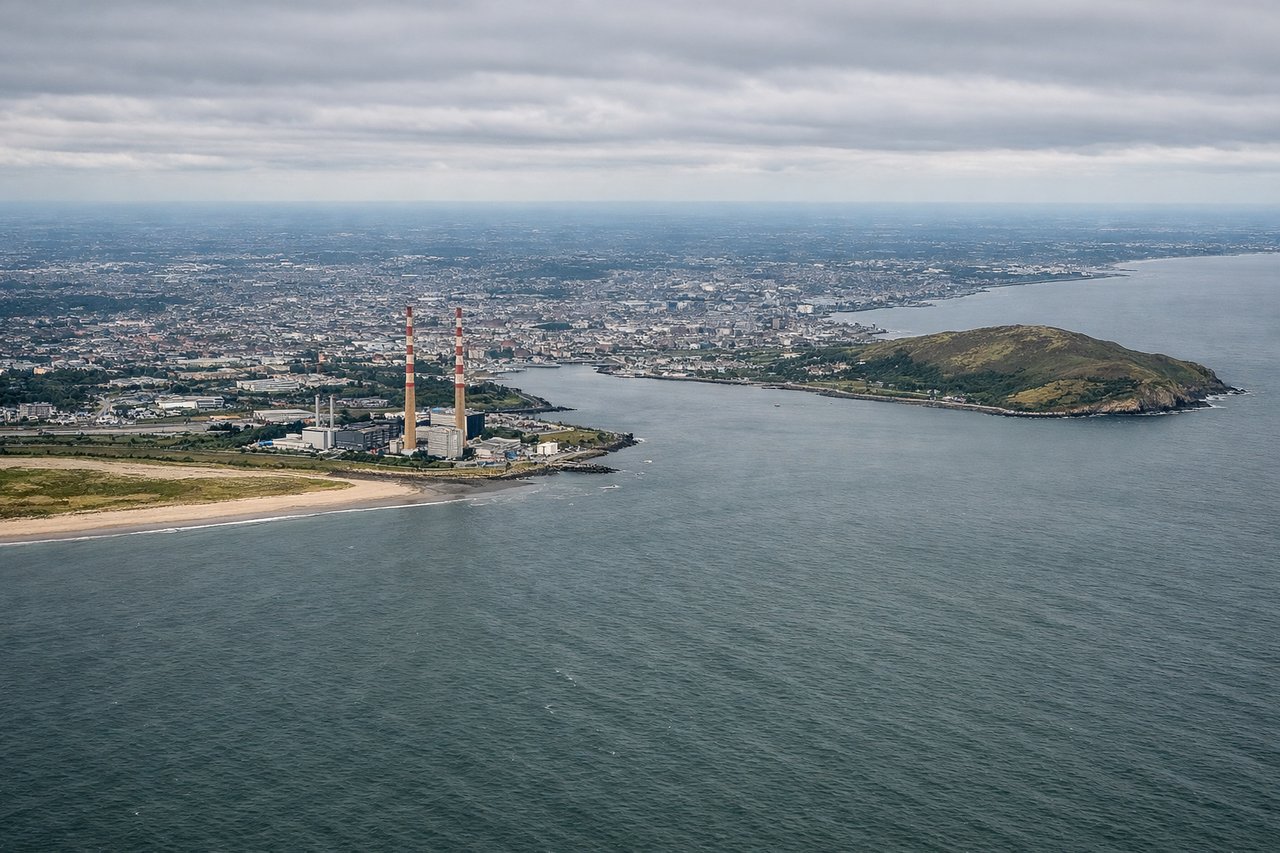
Landing at DUB
RIGHTRight side offers the Irish Sea approach with Dublin Bay, the Wicklow Mountains inland, and Dublin's coastal geography. Left side shows only open Atlantic Ocean for the final 90 minutes of descent.
Will your flight be in sunlight?
Pick a date and time in the Sun Map to watch the sun move across your whole flight.
About This Route
Which side of the plane should I sit on flying from Incheon International (ICN) to Dublin (DUB)?
Sit on the Right side of the plane for the best views on flights from Seoul to Dublin. Right side scores higher due to the dramatic Dublin Bay approach with Wicklow Mountains and coastal features during landing, which outweighs the modest Seoul departure scenery. The landing sequence on the right provides significantly more visual interest than the left side's extended Atlantic Ocean crossing.
What can I see during takeoff from Incheon International in Seoul?
During takeoff from Incheon International (ICN), sit on the Left side for the best views. Left side captures Seoul's urban sprawl and Incheon harbor during departure, with the Yellow Sea coastline visible. Right side shows only flat agricultural plains inland. Notable sights include: Incheon International Airport terminal and runways, Seoul metropolitan area skyline to the southeast, Yellow Sea coastline and shipping lanes.
What can I see when landing at Dublin in Dublin?
When landing at Dublin (DUB), sit on the Right side for the best views. Right side offers the Irish Sea approach with Dublin Bay, the Wicklow Mountains inland, and Dublin's coastal geography. Left side shows only open Atlantic Ocean for the final 90 minutes of descent. Notable sights include: Dublin Bay and harbor, Wicklow Mountains to the south, Irish coastline and Howth Peninsula, Dublin city center and Liffey River.
How long is the flight from Seoul to Dublin?
The flight from Incheon International (ICN) to Dublin (DUB) takes about 10 hours 35 minutes. The shortest flight path between them is 5,551 miles (8,934 km); winds and air traffic control usually add a few percent.
What does the Seoul to Dublin flight path pass over?
The flight crosses the Eurasian landmass over Russia and Eastern Europe. Notable features include the Ural Mountains (visible around 4-5 hours into flight), the Volga River basin, the East European Plain, and the Carpathian Mountains as the aircraft approaches Central Europe. The North Sea and English Channel appear in the final 90 minutes before reaching Irish airspace.