The takeoff experience from Incheon offers more distinctive visual interest with the Yellow Sea's tidal patterns and coastal geography. While the landing approach into Melbourne provides good views of the Great Dividing Range, the takeoff scenery is more unique and geographically characteristic of the region.
Flown ICN to MEL? Did we get it right?
Flight Path
Seoul to Melbourne is 5,322 miles (8,566 km), a flight of about 10 hours 50 minutes.
The flight path crosses the East China Sea, passes over or near Taiwan's northern tip (depending on routing), continues across the Philippine Sea, and approaches Australia via the Coral Sea. Notable midpoint features include the Luzon Strait area, the vast open waters of the Philippine Sea with occasional island groups, and the approach to Australia's northeastern coast near the Great Barrier Reef region before turning inland toward Melbourne.
Great circle distance and headings ›Phase by phase
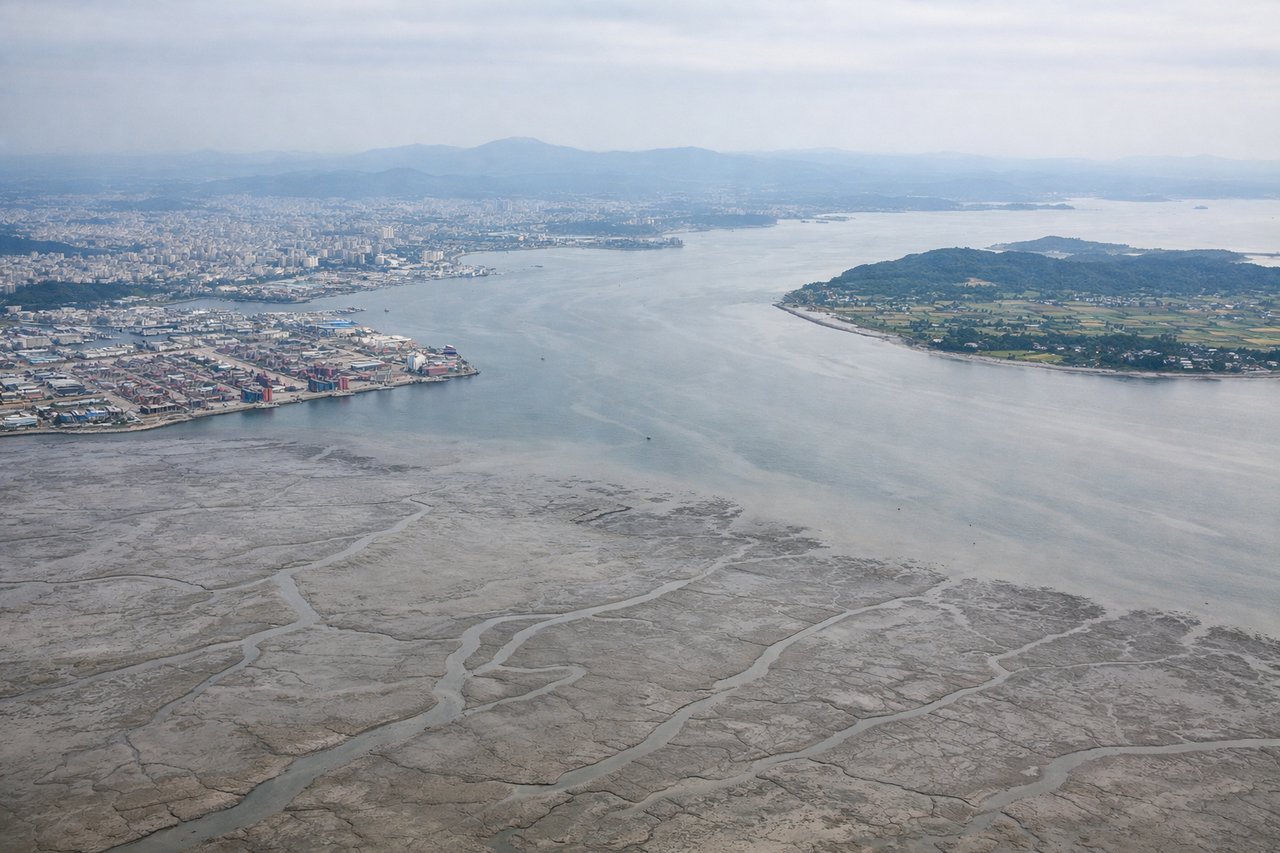
Takeoff from ICN
RIGHTRight-side seats offer views of the Yellow Sea and Korean peninsula's western coastline during the initial climb-out from Incheon. The airport sits on an island, so right-side passengers see the shallow waters and tidal flats that characterize this region before the aircraft banks southwestward.
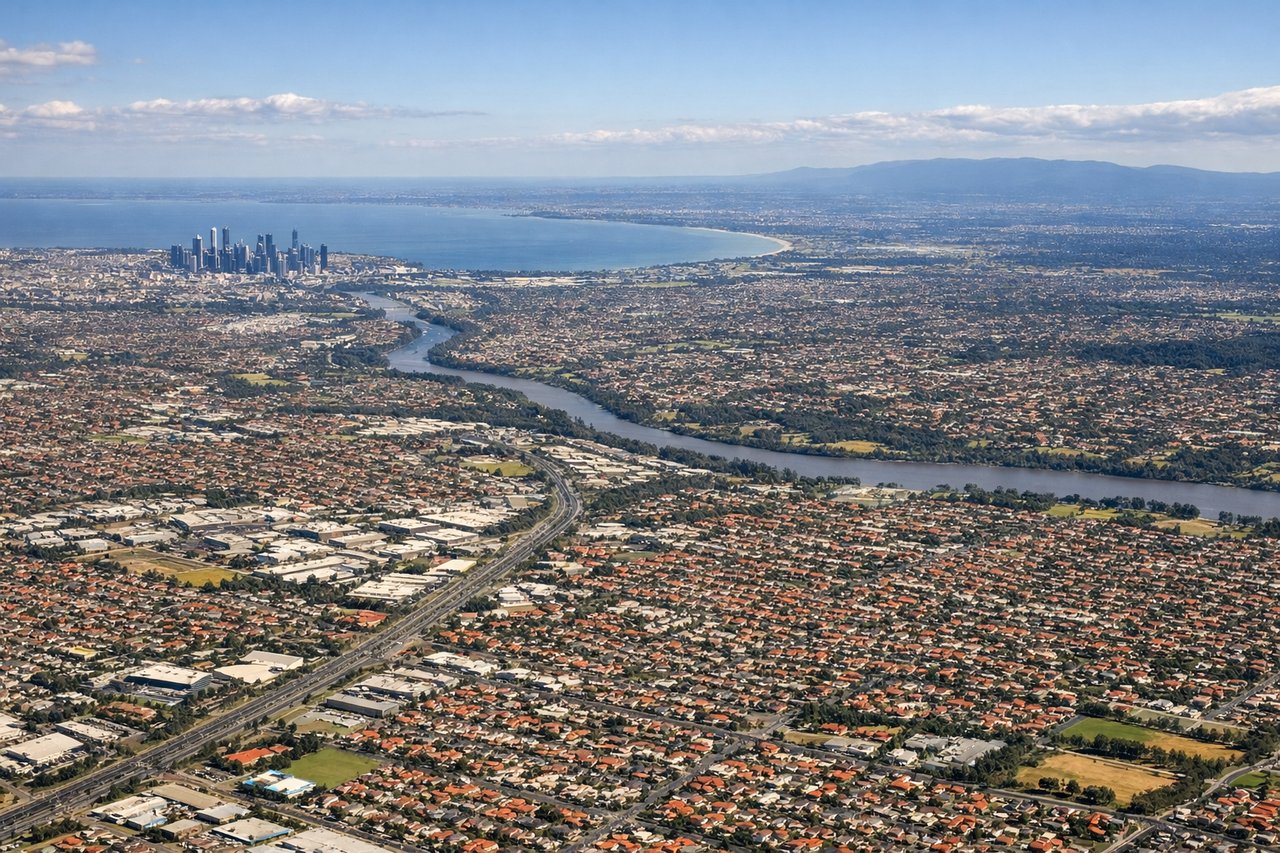
Landing at MEL
LEFTLeft-side seats provide views of the Great Dividing Range and Melbourne's urban sprawl during the descent approach from the northeast. As the aircraft descends toward Melbourne Airport, left-side passengers see the mountain range's ridgelines and the transition from forested highlands to suburban development.
Will your flight be in sunlight?
Pick a date and time in the Sun Map to watch the sun move across your whole flight.
About This Route
Which side of the plane should I sit on flying from Incheon International (ICN) to Melbourne International (MEL)?
Sit on the Right side of the plane for the best views on flights from Seoul to Melbourne. The takeoff experience from Incheon offers more distinctive visual interest with the Yellow Sea's tidal patterns and coastal geography. While the landing approach into Melbourne provides good views of the Great Dividing Range, the takeoff scenery is more unique and geographically characteristic of the region.
What can I see during takeoff from Incheon International in Seoul?
During takeoff from Incheon International (ICN), sit on the Right side for the best views. Right-side seats offer views of the Yellow Sea and Korean peninsula's western coastline during the initial climb-out from Incheon. The airport sits on an island, so right-side passengers see the shallow waters and tidal flats that characterize this region before the aircraft banks southwestward. Notable sights include: Yellow Sea (Hwanghae), Incheon's reclaimed island infrastructure, Korean peninsula's west coast, tidal mudflats near the airport.
What can I see when landing at Melbourne International in Melbourne?
When landing at Melbourne International (MEL), sit on the Left side for the best views. Left-side seats provide views of the Great Dividing Range and Melbourne's urban sprawl during the descent approach from the northeast. As the aircraft descends toward Melbourne Airport, left-side passengers see the mountain range's ridgelines and the transition from forested highlands to suburban development. Notable sights include: Great Dividing Range (Dandenong Ranges), Port Phillip Bay, Melbourne's northern suburbs, Yarra River valley.
How long is the flight from Seoul to Melbourne?
The flight from Incheon International (ICN) to Melbourne International (MEL) takes about 10 hours 50 minutes. The shortest flight path between them is 5,322 miles (8,566 km); winds and air traffic control usually add a few percent.
What does the Seoul to Melbourne flight path pass over?
The flight path crosses the East China Sea, passes over or near Taiwan's northern tip (depending on routing), continues across the Philippine Sea, and approaches Australia via the Coral Sea. Notable midpoint features include the Luzon Strait area, the vast open waters of the Philippine Sea with occasional island groups, and the approach to Australia's northeastern coast near the Great Barrier Reef region before turning inland toward Melbourne.