Right-side seats capture the most dramatic scenery: the Yellow Sea departure from Seoul, the flight path across open water with occasional glimpses of the Chinese coastline, and the approach to Xiamen's island-studded harbor. Left seats offer good landing views but less during the extended cruise phase.
Flown ICN to XMN? Did we get it right?
Flight Path
Seoul to Xiamen is 1,019 miles (1,640 km), a flight of about 2 hours 15 minutes.
Yellow Sea open water, occasional views of the Shandong Peninsula's northern coast (if visible through haze), transition into the East China Sea, approach to the Fujian coast with its characteristic rocky headlands and small islands
Great circle distance and headings ›

Phase by phase
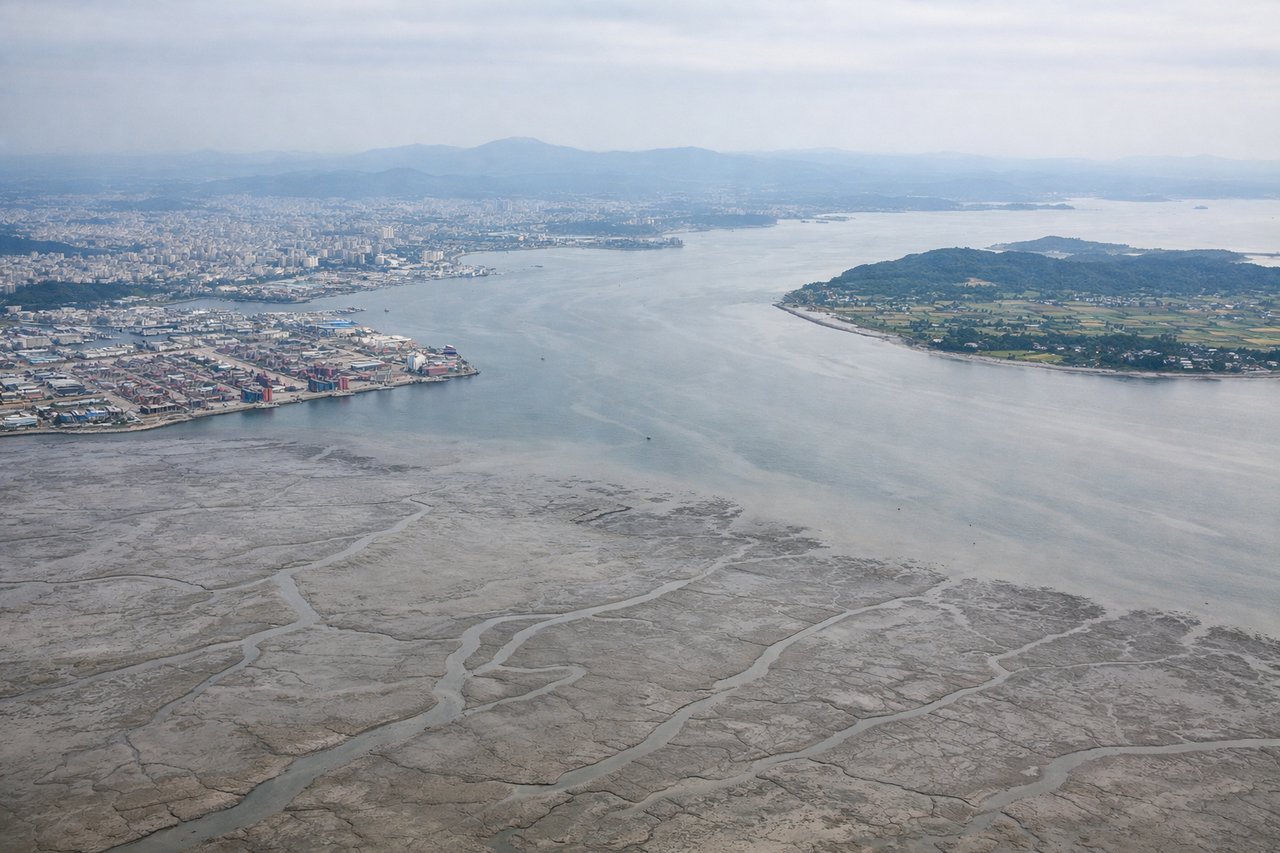
Takeoff from ICN
RIGHTRight-side seats offer views of the Yellow Sea and the Korean peninsula's western coastline as the aircraft climbs southwestward. You'll see Incheon's reclaimed land areas and the transition from urban Seoul to open water.
Landing at XMN
LEFTLeft-side seats provide excellent views during descent into Xiamen, showing the Taiwan Strait, Xiamen Island's distinctive shape, and the surrounding archipelago. The approach path from the northeast gives left-side passengers a direct view of the coastal geography.
Will your flight be in sunlight?
Pick a date and time in the Sun Map to watch the sun move across your whole flight.
About This Route
Which side of the plane should I sit on flying from Incheon International (ICN) to Gaoqi (XMN)?
Sit on the Right side of the plane for the best views on flights from Seoul to Xiamen. Right-side seats capture the most dramatic scenery: the Yellow Sea departure from Seoul, the flight path across open water with occasional glimpses of the Chinese coastline, and the approach to Xiamen's island-studded harbor. Left seats offer good landing views but less during the extended cruise phase.
What can I see during takeoff from Incheon International in Seoul?
During takeoff from Incheon International (ICN), sit on the Right side for the best views. Right-side seats offer views of the Yellow Sea and the Korean peninsula's western coastline as the aircraft climbs southwestward. You'll see Incheon's reclaimed land areas and the transition from urban Seoul to open water. Notable sights include: Yellow Sea, Incheon reclaimed islands, Seoul metropolitan area, Korean peninsula western coast.
What can I see when landing at Gaoqi in Xiamen?
When landing at Gaoqi (XMN), sit on the Left side for the best views. Left-side seats provide excellent views during descent into Xiamen, showing the Taiwan Strait, Xiamen Island's distinctive shape, and the surrounding archipelago. The approach path from the northeast gives left-side passengers a direct view of the coastal geography. Notable sights include: Taiwan Strait, Xiamen Island, Gulangyu Island, Wuyi Mountains (distant).
How long is the flight from Seoul to Xiamen?
The flight from Incheon International (ICN) to Gaoqi (XMN) takes about 2 hours 15 minutes. The shortest flight path between them is 1,019 miles (1,640 km); winds and air traffic control usually add a few percent.
What does the Seoul to Xiamen flight path pass over?
Yellow Sea open water, occasional views of the Shandong Peninsula's northern coast (if visible through haze), transition into the East China Sea, approach to the Fujian coast with its characteristic rocky headlands and small islands