Right side scores higher (3.0 vs 2.5) due to superior scenic content on both legs: Seoul's coastal and urban features during takeoff, and the Ethiopian Highlands' dramatic volcanic plateau and Addis Ababa's elevated terrain during landing. Left side offers only flat plains and open plateau with minimal landmark density.
Flown ICN to ADD? Did we get it right?
Flight Path
Seoul to Addis Ababa is 5,714 miles (9,196 km), a flight of about 11 hours 10 minutes.
The flight path crosses the Arabian Peninsula, passing over or near the Red Sea's western coast, the Sinai Peninsula, and the Nile River valley. Passengers may glimpse the Red Sea's narrow waters and surrounding desert terrain during cruise at altitude. The transition from Middle Eastern arid landscape to the Ethiopian Highlands occurs in the final 90 minutes of flight, with the plateau's edge becoming increasingly visible as the aircraft descends toward Addis Ababa.
Great circle distance and headings ›Phase by phase
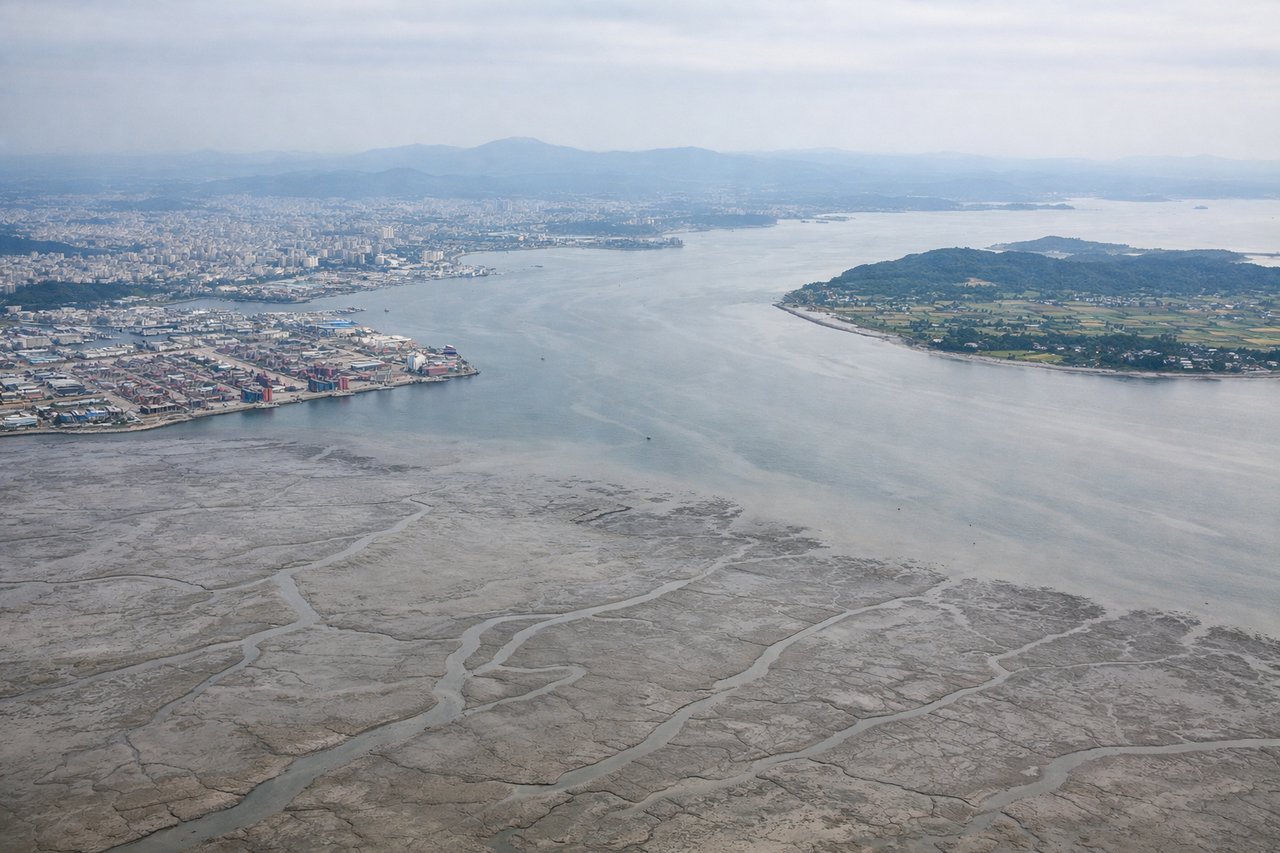
Takeoff from ICN
RIGHTRight side captures Seoul's urban sprawl and the Yellow Sea coastline during initial climb. Left side faces inland toward flat agricultural plains with minimal visual interest during departure.
Landing at ADD
RIGHTRight side offers the most dramatic approach into Addis Ababa, with views of the Ethiopian Highlands' volcanic plateau, the city's elevated terrain, and surrounding escarpments. Left side faces open plateau with less visual definition during descent.
Will your flight be in sunlight?
Pick a date and time in the Sun Map to watch the sun move across your whole flight.
About This Route
Which side of the plane should I sit on flying from Incheon International (ICN) to Bole International (ADD)?
Sit on the Right side of the plane for the best views on flights from Seoul to Addis Ababa. Right side scores higher (3.0 vs 2.5) due to superior scenic content on both legs: Seoul's coastal and urban features during takeoff, and the Ethiopian Highlands' dramatic volcanic plateau and Addis Ababa's elevated terrain during landing. Left side offers only flat plains and open plateau with minimal landmark density.
What can I see during takeoff from Incheon International in Seoul?
During takeoff from Incheon International (ICN), sit on the Right side for the best views. Right side captures Seoul's urban sprawl and the Yellow Sea coastline during initial climb. Left side faces inland toward flat agricultural plains with minimal visual interest during departure. Notable sights include: Seoul metropolitan area (Gangnam district, Han River), Incheon harbor and container terminals, Yellow Sea coastline extending south toward Gyeonggi Province.
What can I see when landing at Bole International in Addis Ababa?
When landing at Bole International (ADD), sit on the Right side for the best views. Right side offers the most dramatic approach into Addis Ababa, with views of the Ethiopian Highlands' volcanic plateau, the city's elevated terrain, and surrounding escarpments. Left side faces open plateau with less visual definition during descent. Notable sights include: Ethiopian Highlands volcanic plateau (2,300+ meters elevation), Addis Ababa's sprawling urban grid on elevated terrain, surrounding escarpments and rift valley edges, Entoto Mountains to the north.
How long is the flight from Seoul to Addis Ababa?
The flight from Incheon International (ICN) to Bole International (ADD) takes about 11 hours 10 minutes. The shortest flight path between them is 5,714 miles (9,196 km); winds and air traffic control usually add a few percent.
What does the Seoul to Addis Ababa flight path pass over?
The flight path crosses the Arabian Peninsula, passing over or near the Red Sea's western coast, the Sinai Peninsula, and the Nile River valley. Passengers may glimpse the Red Sea's narrow waters and surrounding desert terrain during cruise at altitude. The transition from Middle Eastern arid landscape to the Ethiopian Highlands occurs in the final 90 minutes of flight, with the plateau's edge becoming increasingly visible as the aircraft descends toward Addis Ababa.